Armenia’s Final Pivot West: What Drove Pashinyan’s Decision.

Armenia’s Shifting Political Landscape
According to Espreso.tv: Armenia is undergoing a dramatic political transformation as geopolitical forces realign, marked by fresh elections, Kremlin threats, and a growing Western footprint. In October 2025, Moscow established the Strategic Cooperation Administration (SCA), a body designed to run influence operations within Armenia. This move highlights Russia’s intensified presence in the region, even as Yerevan decided in 2026 to freeze its membership in the Collective Security Treaty Organization (CSTO) and began pushing for the withdrawal of Russian troops from its soil.
Key Events and Figures
A pivotal moment came in August 2025 when Prime Minister Nikol Pashinyan signed a peace declaration with Azerbaijani President Ilham Aliyev in Washington. That accord marked a historic step between two nations scarred by armed conflict. Meanwhile, in June 2025, the Armenian Apostolic Church faced raids that led to the arrest of Archbishop Baghdasar Galstanyan, signaling mounting pressure on religious institutions.
Pashinyan’s victory in the June 7, 2026 elections could act as a catalyst for regional change. Those elections unfolded against a backdrop of expanding Western influence in Armenia, symbolized by the eighth European Political Community Summit held in Yerevan in May 2026. Notably, French President Emmanuel Macron declared that Armenia had ‘truly made its choice,’ confirming the country’s turn toward cooperation with Western powers.
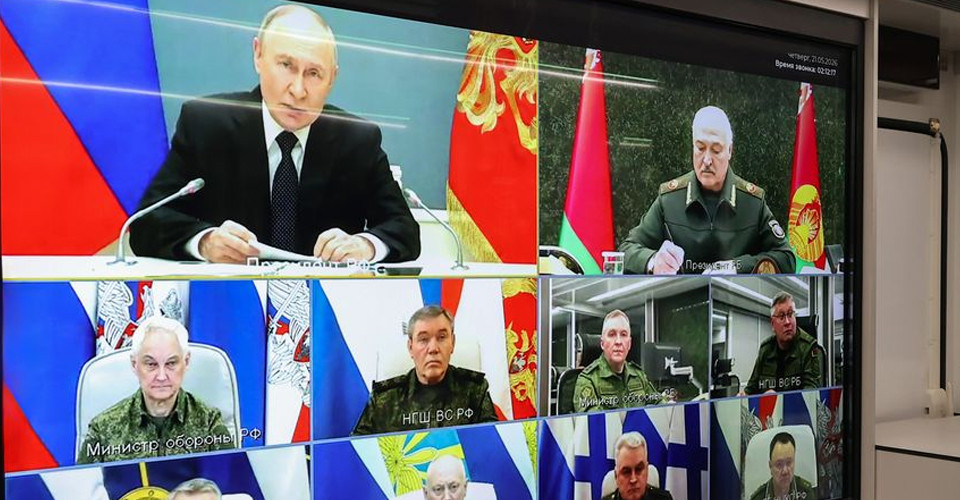
Amid these shifts, Russian Defense Minister Sergei Shoigu stressed that ties with Russia remain the main engine of Armenia’s economy. At the same time, President Vladimir Putin suggested that the crisis in Ukraine began with Kyiv’s efforts to join the European Union—a remark that hints at the Kremlin’s intent to preserve its sway over post-Soviet states, including Armenia.
Key political figures in Armenia’s landscape include:
- Nikol Pashinyan
- Ilham Aliyev
- Donald Trump
- Samvel Karapetyan
- Robert Kocharyan
- Gagik Tsarukyan
Major events shaping the current situation are:
- The 2018 Velvet Revolution
- Azerbaijan’s 2023 ‘anti-terrorist operation’ in Karabakh
- The 2025 peace declaration signing
Armenia now finds itself at the epicenter of geopolitical upheaval, creating both fresh challenges and new opportunities as it navigates its foreign policy and internal stability. The country remains tense, with the potential for further Western influence and a Russian response looming. Observers should watch the election outcomes closely, as they could profoundly shape Armenia’s future—both regionally and on the global stage.
Read also
- Trump Alleges Leak of 220 Million U.S. Voter Records, Demands Investigation
- Trump Declares Victory Over Iran as New Strikes Hit the Strait of Hormuz, Resuming War
- Over 60 U.S. Senators Back New Russia Sanctions: What's at Stake
- Fuel Shortages and Rising Prices Drive Russians to Buy Foreign Currency in Droves
- CIA Director: Russian Soldiers Survive Only 30 Minutes on the Frontline
- Capital Flight from Russia: Why Billionaires Are Moving Assets Abroad