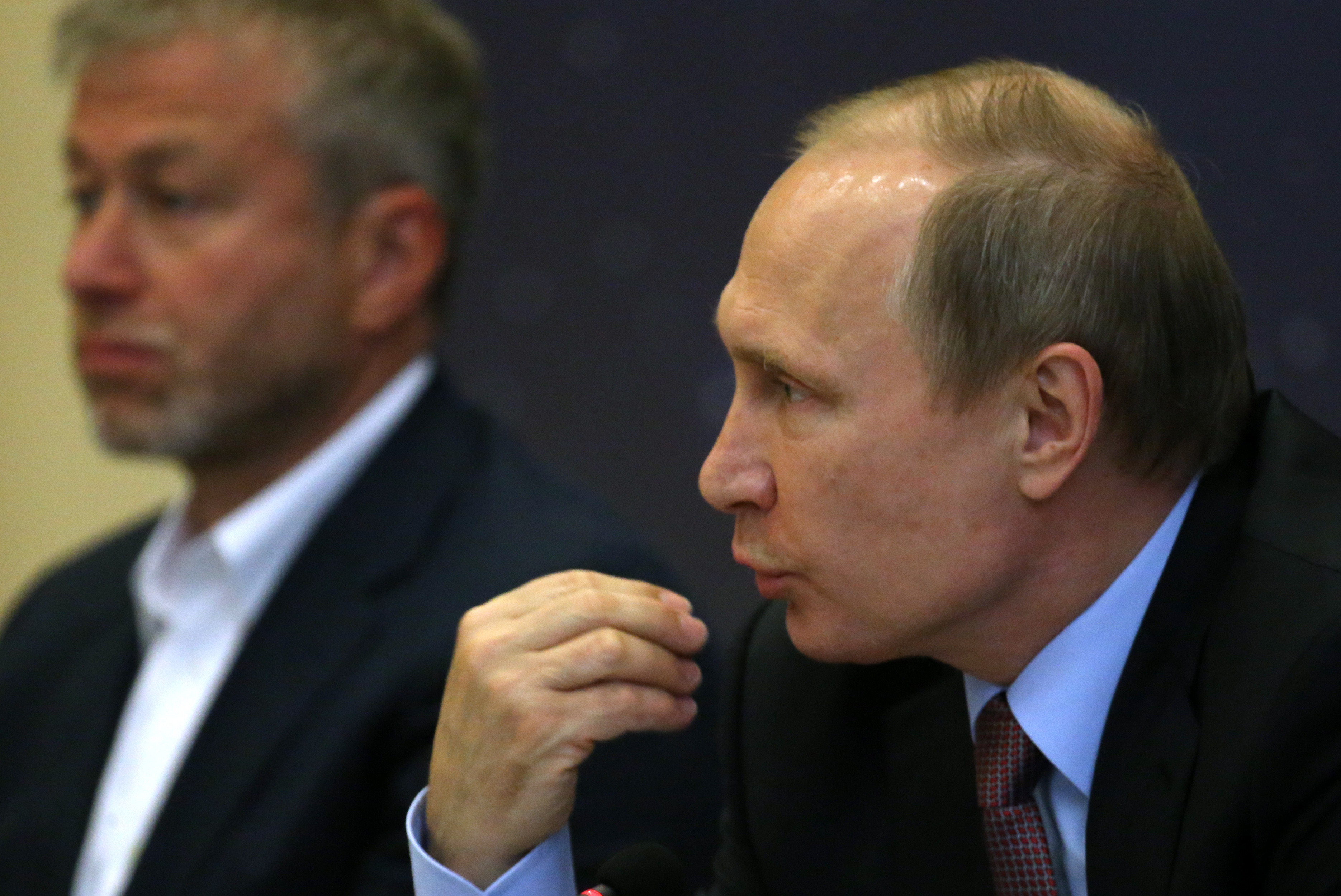
Geneva Hosts Third Round of Talks Between Ukraine, Russia, and the United States.

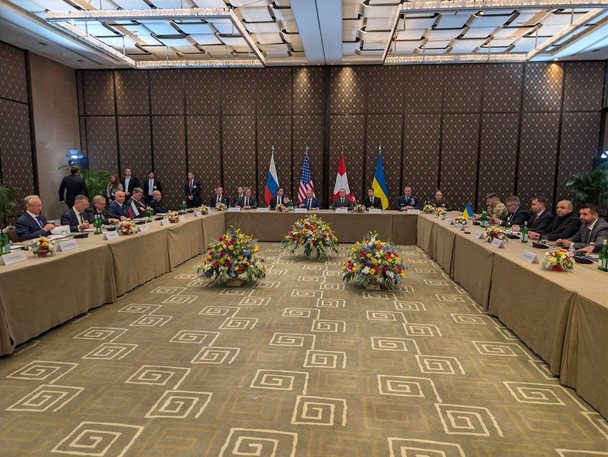
Geneva Negotiations
According to TSN.ua: A third round of three-party talks involving Ukraine, Russia, and the United States commenced in Geneva on February 17, 2026. These discussions are exploring various scenarios, including a potential energy-related ceasefire and territorial issues. U.S. President Donald Trump has described the negotiations as 'important' for stabilizing the regional situation. These talks represent a critical diplomatic channel in a conflict that has drawn in global powers.
Key Discussion Points
The agenda in Geneva covers pivotal matters such as the situation in Donbas and the sanctions imposed on Russia. Vadym Denysenko, head of the analytical center 'Dilova Stolytsia', observed that:
“This only indicates that Putin is not serious about making decisions.” - Vadym Denysenko
He also pointed out that 'holding elections by May 15 is theoretically impossible' under martial law, a prospect causing concern among some of the population. According to a sociological study, 34% of Ukrainians support holding elections during martial law.
The Geneva negotiations could mark a significant step toward finding paths to a peaceful resolution of the conflict, though the outcomes of these meetings remain uncertain. Whether Russia possesses the resources to continue the war and whether it can find a compromise under these difficult conditions is still an open question. The talks are ongoing, and their results may substantially influence the future political situation in Ukraine and the wider region.
These discussions in Geneva reflect the complex geopolitical landscape where Ukraine and Russia are attempting to find common ground within the context of a protracted conflict. With the United States participating, the talks underscore the importance of international support for Ukraine and the influence of external actors on the peace process. Recent developments could prove decisive in shaping the future peace architecture for the region.
Read also
- Champion Usyk Meets President Trump in the Oval Office: Inside the Visit
- Trump announces AI summit with industry leaders—will Americans get a stake in the companies?
- Historic U.S.-Iran Deal Reached: What It Means for the Strait of Hormuz
- Strait of Hormuz to Reopen: U.S. Energy Secretary Issues Statement on Oil Shipments
- German Defense Firm Diehl Defence Eyes Production of Ukrainian Cruise Missiles
- Ukraine's Envoy on Trump's Self-Described Neutral Mediator Role in the War