







Abu Dhabi to Host Crucial Talks Between Ukraine, US, and Russia.
Key Trilateral Talks Set for Abu Dhabi
According to TSN.ua: Delegations from Ukraine, the United States, and Russia are preparing for a trilateral meeting scheduled for January 23 in the United Arab Emirates. This meeting is significant as it marks the first such direct negotiations between these parties in nearly four years of conflict. The primary focus will be on resolving the situation in the Donbas region of eastern Ukraine, where fighting has persisted since 2014.
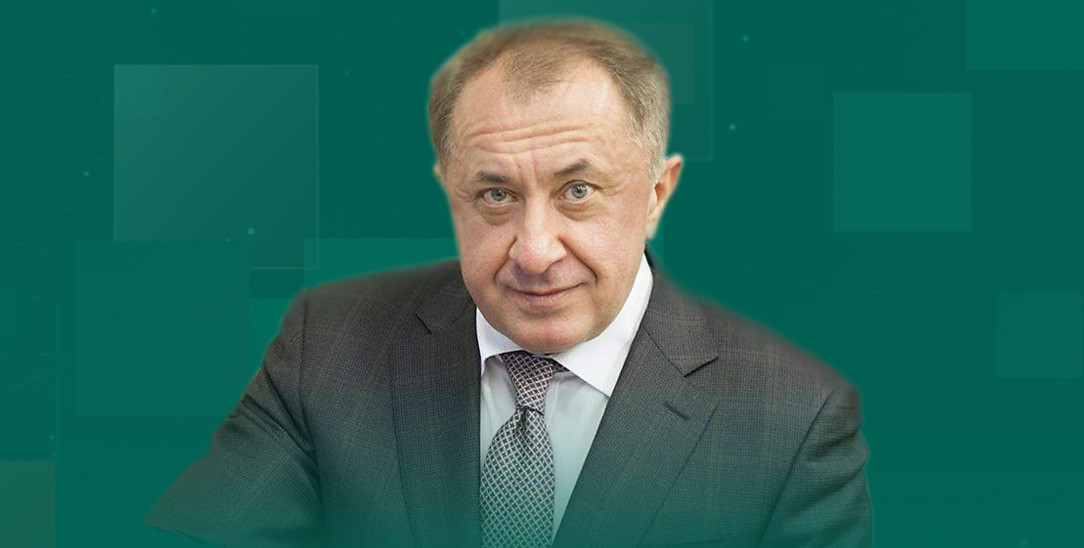
The process is complicated by the parties' mutually exclusive demands. The United States has proposed creating a free economic zone in the Ukrainian-controlled part of Donbas, a potential step toward regional stabilization. However, the Kremlin's readiness for genuine agreements remains in doubt. Analyst Volodymyr Fesenko notes that Russia is playing a "double game": while demonstrating constructiveness in talks with the US, it is in reality demanding exclusively unilateral concessions from Kyiv.
Fesenko also points out that the situation is currently deadlocked, highlighting the complexity of the negotiations. Another scenario participants may discuss involves an "energy truce" or a model for a phased ceasefire. While these issues could become important elements of the talks, their implementation will depend on the willingness of all sides to compromise.
The Stakes of the Meeting
Consequently, the trilateral meeting in Abu Dhabi becomes a pivotal event that could influence the future course of the Donbas conflict. Its success hinges on the participants' ability to find common ground and reach mutually acceptable solutions.
This meeting represents a critical step within the context of the protracted Donbas conflict, carrying hopes for a potential stabilization of the region. Given the complexity of relations between the parties and their diverse political and economic interests, the outcome of these talks could substantially impact Ukraine's future and regional security as a whole.
It is vital for all participants to demonstrate a readiness for constructive dialogue, as this could form the foundation for a lasting peace.
Read also
- US Elections Could Push Putin to Fast-Track Deals: What This Means for Ukraine
- Why No Peace Deal Is Expected by Year-End: Political Analyst Volodymyr Fesenko on the War's Conclusion
- Russia Demands Ukraine Withdraw Troops in Two Months, Kuleba and Zelenskyy Comment on Peace Prospects
- Ukraine Defines the Ideal MP: What Changes the Parliament Should Deliver
- Orban Launches Aggressive Campaign: Why He’s Picking Fights with Ukraine and the EU
- Hungary's Elections Could Reshape Ties with Ukraine: Fesenko Outlines Scenarios