Buckwheat, Flour, and Rice Vanish from Kyiv Shelves: What’s Behind the Shortage?.

Growing Demand for Staple Foods in Kyiv
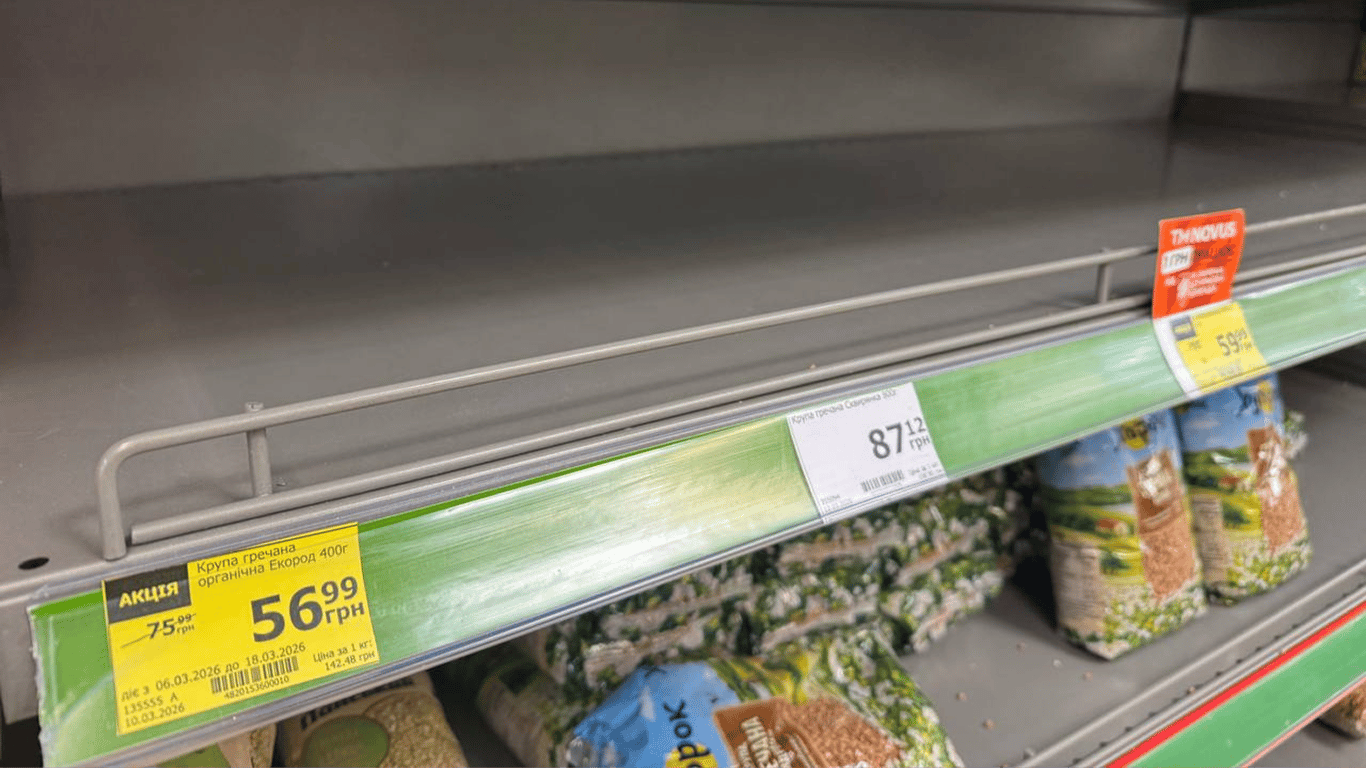
According to Novyny.live: Shoppers in Kyiv are facing empty shelves for buckwheat, flour, and rice in some supermarkets, while other stores still have these items in stock. This surge in demand follows a sharp 60% price hike for buckwheat over the past three months, rising from 47.87 UAH per kilogram to 54.07 UAH per kilogram. For context, these staples are essential in Ukrainian households, often used in everyday meals like porridge and bread.
Grocery Prices Across Major Chains
At Novus supermarkets, grain prices are as follows:
- Buckwheat: 50.99 UAH per kilogram
- Long-grain rice: 80.99 UAH per kilogram
- Flour: 28.89 UAH per kilogram
At EKO-market in Borshchahivka, prices are slightly higher:
- Packaged buckwheat: 51.90 UAH per kilogram
- Long rice: 50.50 UAH per kilogram
- Flour: from 29.20 UAH per kilogram
Supermarket Fora offers:
- Buckwheat: 69.90 UAH per kilogram
- Rice: from 46.90 UAH per kilogram
At ATB on Holosiivskyi Avenue:
- Buckwheat: from 50.90 UAH per kilogram
- Rice: from 46.90 UAH per kilogram
- Flour: from 19.40 UAH per kilogram
At Varus, grain prices are:
- Buckwheat: from 42.90 UAH per 900 grams
- Rice: from 35.0 UAH per 900 grams
- Flour: from 20.40 UAH per kilogram
At Auchan, the cheapest buckwheat is 47.0 UAH per kilogram, and rice starts at 53 UAH per kilogram.
Overall, demand for essential items like buckwheat, flour, and rice remains high, causing shortages in certain locations. While rice and flour prices have barely changed since early 2026, buckwheat’s price trend is raising consumer concerns.
This increased interest in buckwheat, flour, and rice may reflect broader economic pressures in Ukraine and shifting consumer habits. During times of uncertainty, staple food costs become critical for families trying to stock up. Empty shelves in some supermarkets could point to supply chain issues or a shift toward alternative shopping sources, such as other stores or local markets.
Read also
- Russia’s Oil and Gas Revenue Set to Surge by 60%—Here’s What’s Driving the Jump
- IMF Disburses $690 Million Second Tranche to Ukraine: Where the Funds Are Going
- Russia’s Budget Deficit Could Hit 7 Trillion Rubles—What Are the Default Risks?
- Expert Sets Critical Threshold: 60% of Russia's Oil Refining Capacity Must Be Destroyed
- Russia Faces Imminent Fuel Crisis: Why Refinery Recovery Is Nearly Impossible, Expert Warns
- Economist identifies Russia's point of no return: why it can never reclaim its place among global economic leaders