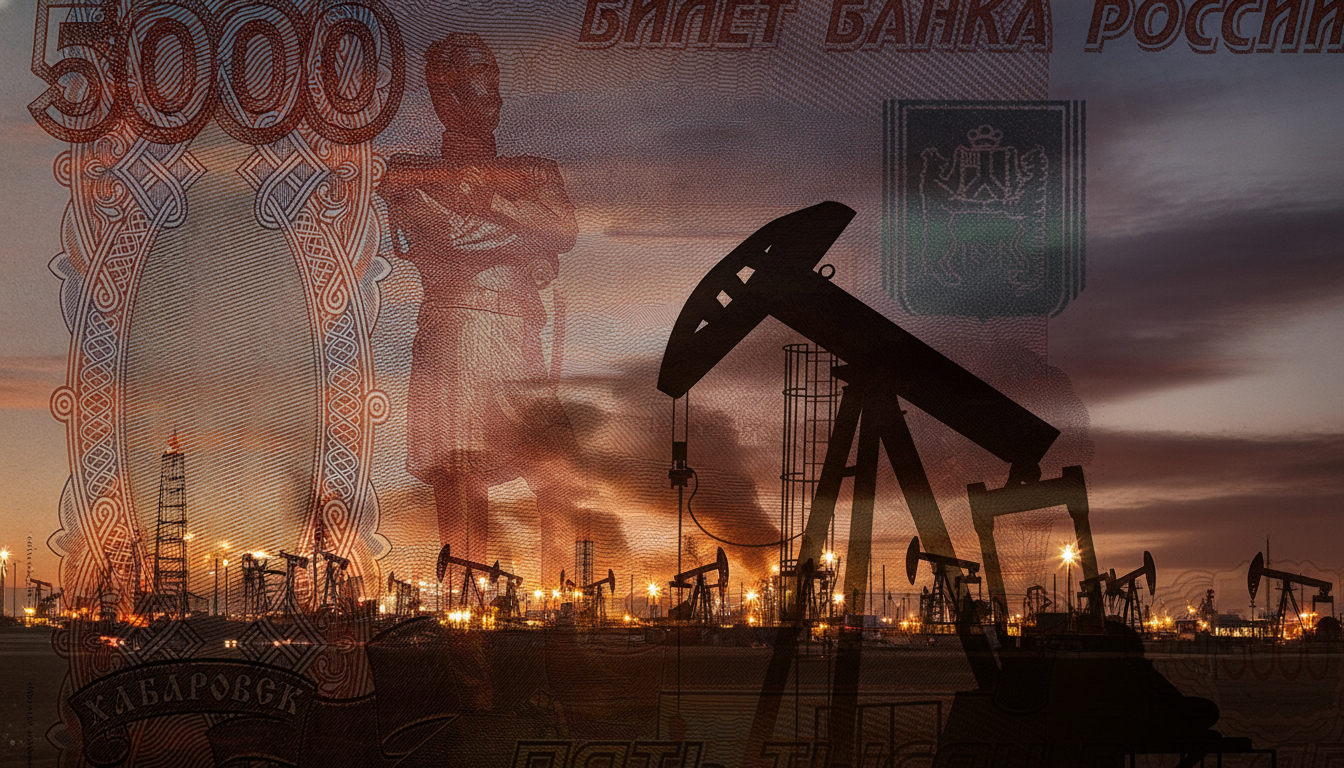
Russia Imposes Strict Fuel Rationing: Which Regions and Gas Stations Are Affected.

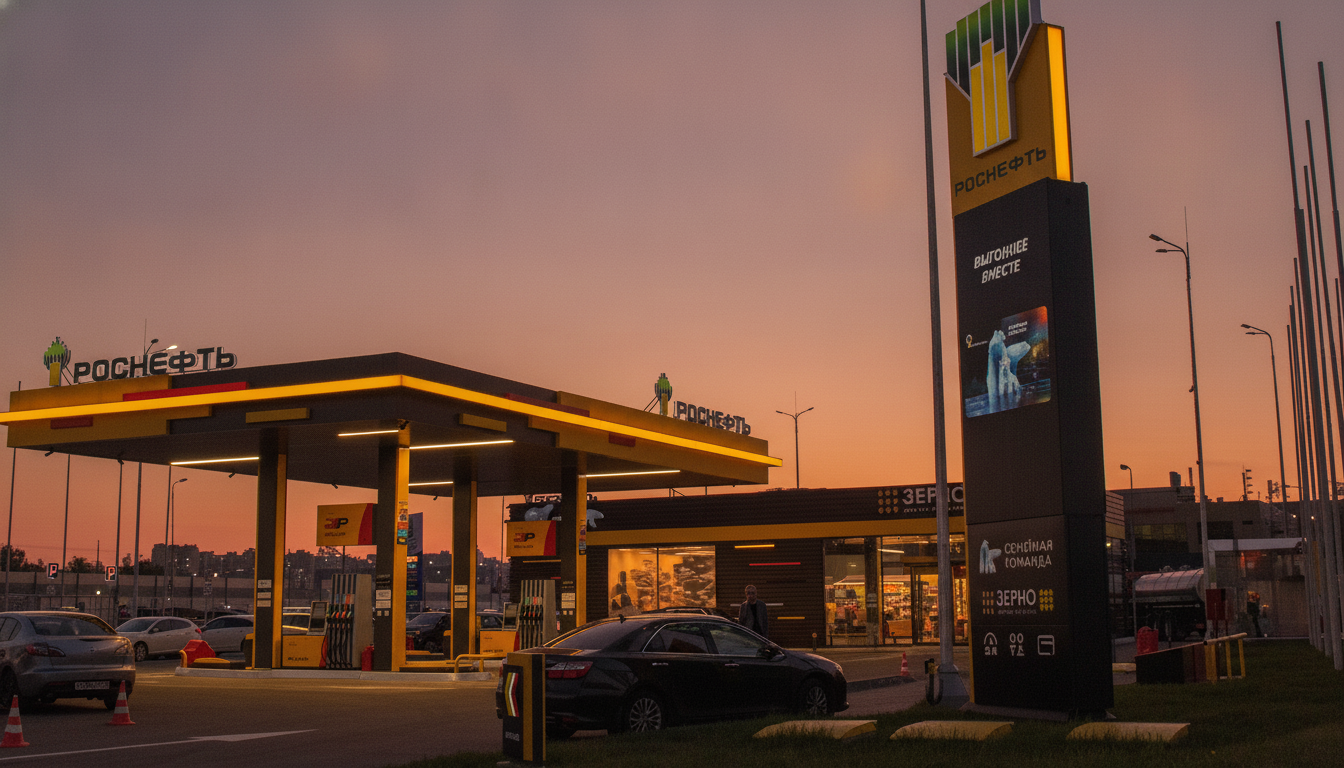
Fuel Sales Restrictions in Russia
According to Novyny.live: A wave of panic among car owners has forced Russia to introduce severe fuel purchase limits across thousands of gas stations. Out of the country's 29,000 filling stations, nearly 7,000 have already implemented these restrictions. The measures are now in effect in over 70 regions, causing significant disruption for drivers.
Regions Facing Fuel Shortages
The following areas are among those experiencing fuel deficits:
- Moscow
- Moscow Oblast
- Saint Petersburg
- Samara Oblast
- Belgorod Oblast
- Kursk Oblast
- Rostov Oblast
The company 'Tatneft', which operates over 850 gas stations, has capped fuel purchases at 30 liters of gasoline and 60 liters of diesel per vehicle. Other major players, such as 'Rosneft' (2,200 stations), 'Bashneft' (500 stations), and 'TNK', have banned filling canisters entirely.
At 'Lukoil' and 'Teboil' stations, transactions are now limited to 100 liters per receipt. Meanwhile, 'Neftmagistral' allows no more than 20 liters into canisters. The situation is particularly dire in Crimea and Sevastopol, where free gasoline sales have been suspended. In the occupied territories of Luhansk, Kherson, and Zaporizhzhia regions, purchases exceeding 20 liters per person are prohibited.
These emergency measures are a direct response to a prolonged fuel shortage in Russia. In 2026, authorities even authorized the production of lower-quality gasoline to address the shortfall. Despite the country having 31 oil refineries, only 30% of them are considered modern.
As a result, Russia's fuel supply remains under severe strain, with car owners facing growing challenges in accessing petrol and diesel.
The imposition of these fuel sales restrictions highlights deep-seated issues in Russia's energy sector, which could have negative repercussions for the national economy. - Source unknown
Given the lack of modern production capacity and ongoing supply difficulties, drivers should brace for the crisis to continue. These limits are likely to fuel further panic and uncertainty among consumers, potentially worsening fuel availability in the near future.
Read also
- Sanctions Disguise Airline Bankruptcies as Rostec Plans a Restructuring of Russian Aviation
- Drone Strikes on CPC Terminal Drive Kazakhstan's Daily Oil Output Down to 133,200 Metric Tons
- Partial Restoration of Gasoline Output at Russian Refineries After Drone Strikes: 30-40% Capacity Recovered, but Full Repair Deemed Unlikely
- New U.S. Tariffs Hit 60 Nations: Here Are the Rates for the EU and Russia
- Russia’s Oil and Gas Revenue Set to Surge by 60%—Here’s What’s Driving the Jump
- IMF Disburses $690 Million Second Tranche to Ukraine: Where the Funds Are Going