Russian Strike on Lozova Leaves 16,000 Residents Without Heating.

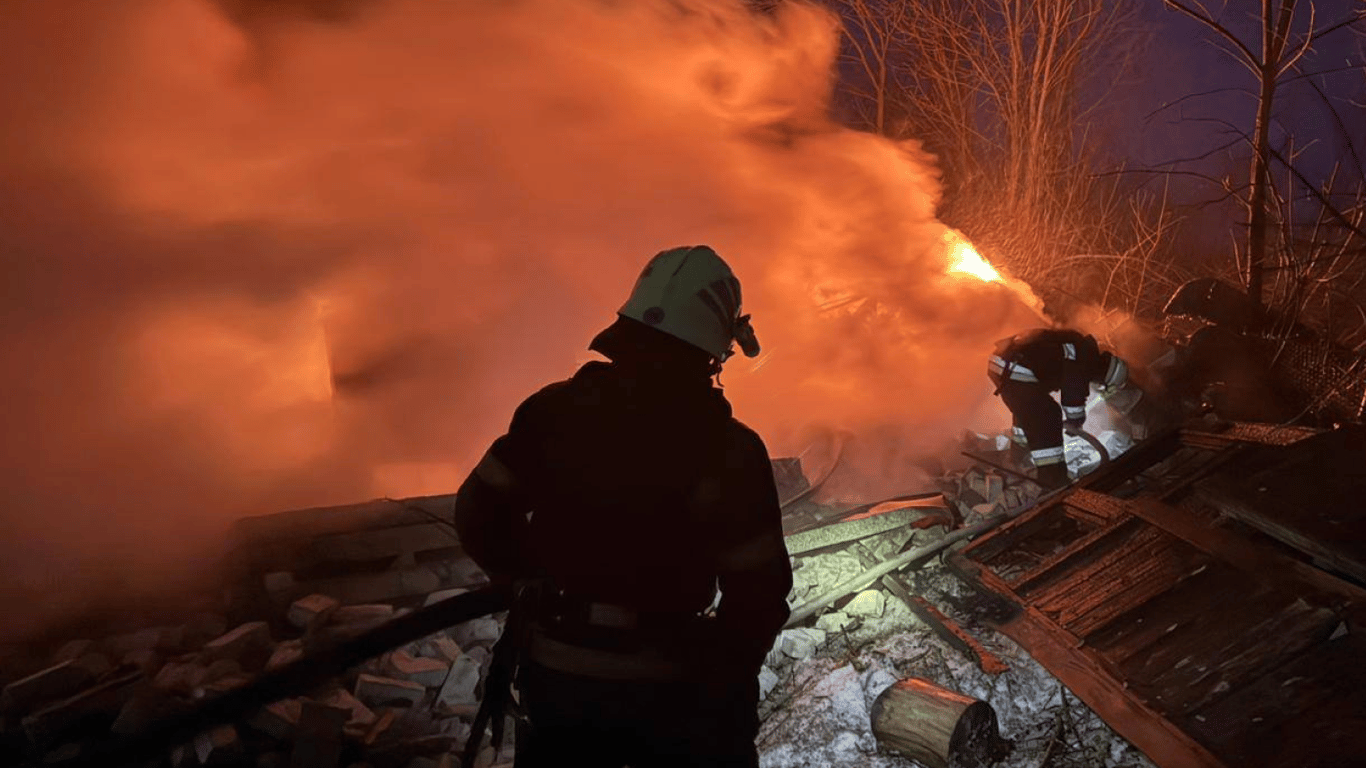
Consequences of the Attack on Lozova
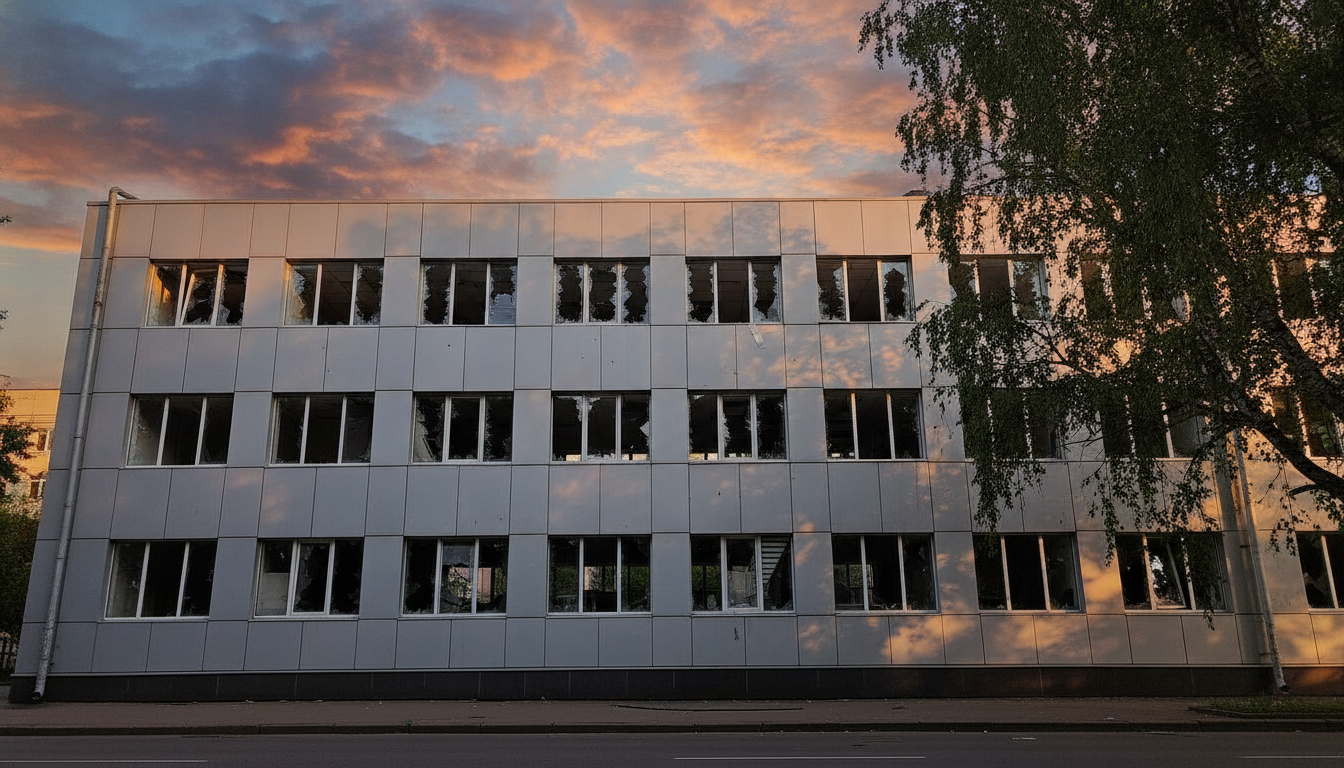
According to Novyny.live: In the early hours of February 19, Russian forces struck the city of Lozova in the Kharkiv region, cutting power to its largest boiler plant. This has left a significant portion of the population without heating, affecting nearly 16,000 households. The crisis is compounded by sub-zero temperatures currently gripping the region. Attacks on civilian energy infrastructure are a frequent tactic in this war, creating severe humanitarian challenges during winter.
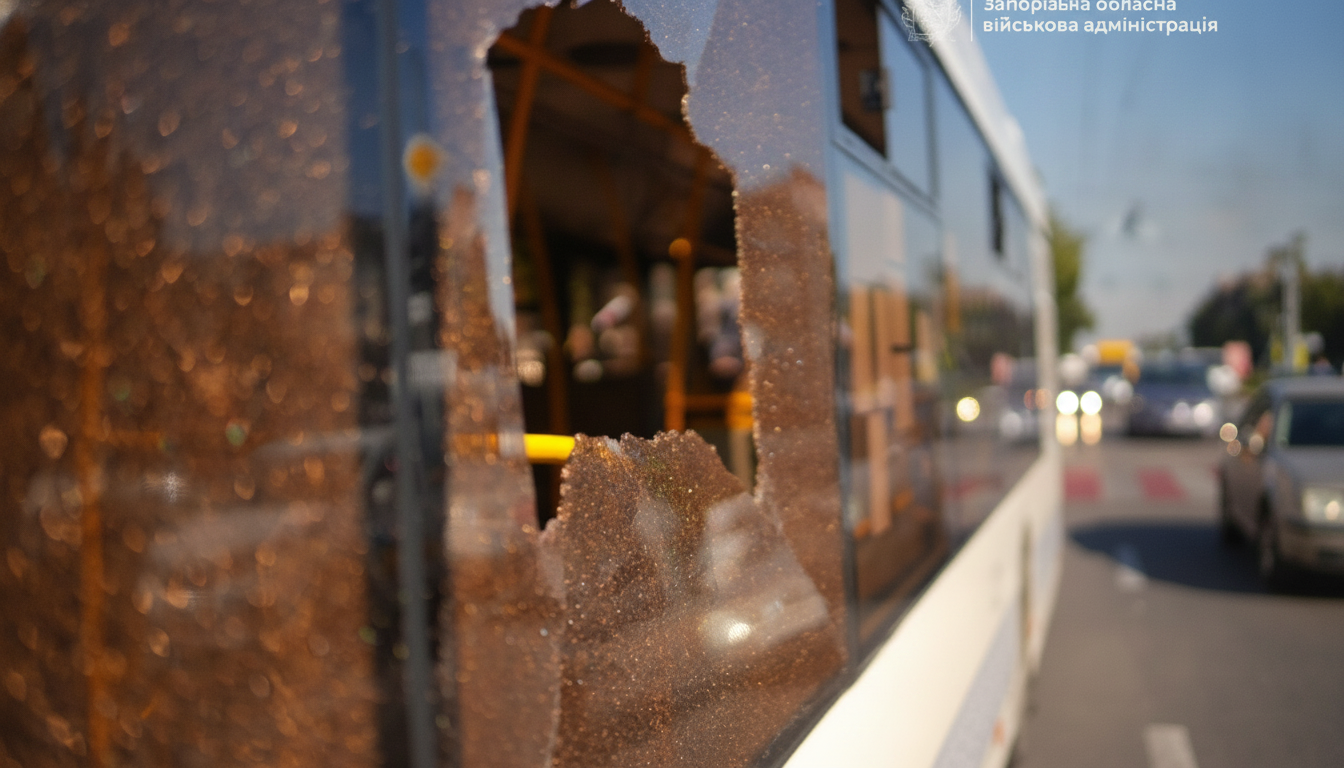
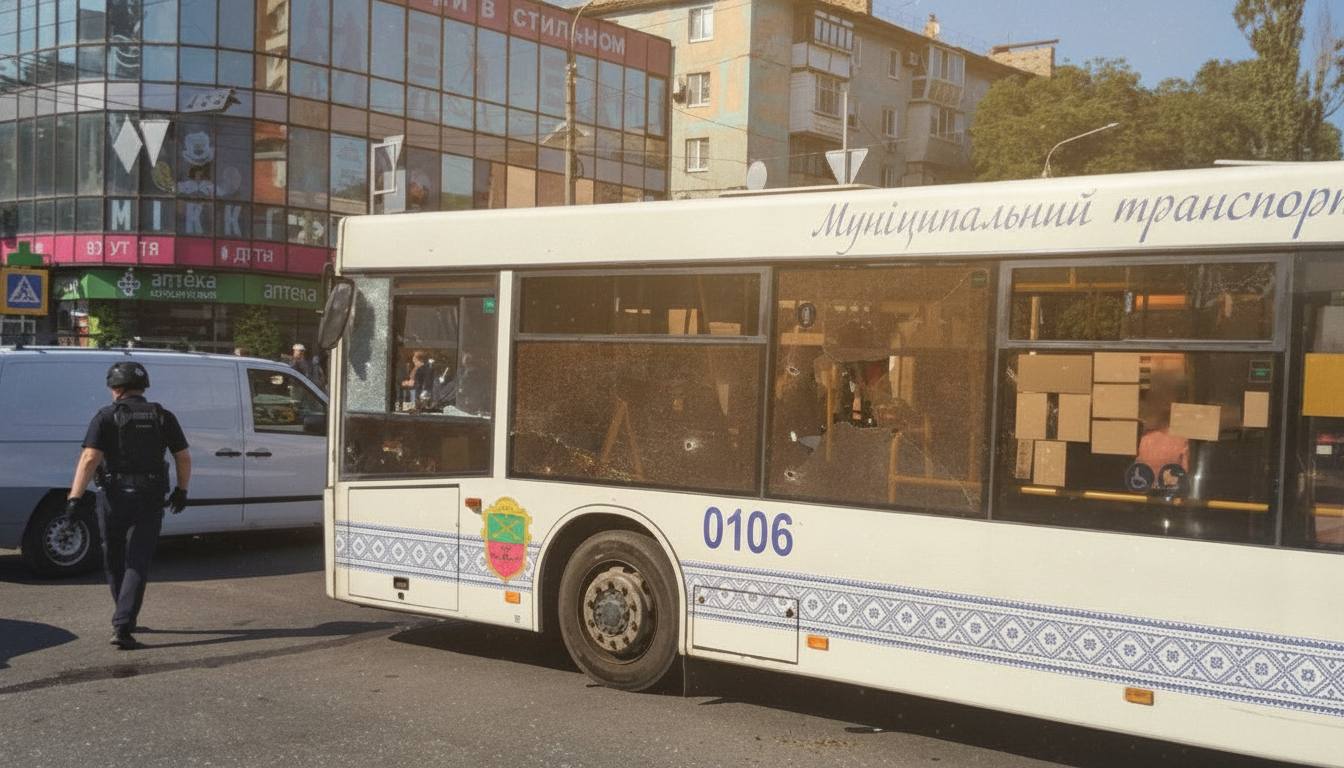
Throughout the day, Russian military activity also targeted the Zaporizhzhia region, launching 448 strikes against 34 settlements. A child was injured in these attacks. The assaults were not confined to Zaporizhzhia. On February 18, Russian forces attacked the Sumy region, killing one person. A total of 38 shelling incidents hit 27 settlements in Sumy oblast over the day. That same day, Russian troops struck the Dnipropetrovsk region, damaging private homes, outbuildings, and vehicles.
“Sub-zero temperatures persist tonight. All efforts are directed at preserving the networks and providing heat to people. I ask residents not to interfere with in-house systems without instructions from utility workers. Resilience Points are operational. Let's stay strong.”
Sergiy Zelenskyy
The situation remains difficult, and local authorities are doing everything possible to restore the heating supply.
These events reflect a sharp escalation in Ukraine amid the ongoing conflict. Attacks on critical infrastructure like heating plants have severe consequences for civilians, especially in winter conditions. Local authorities and emergency services continue working to restore power and provide warmth, yet challenges remain significant due to constant shelling and infrastructure attacks. The state's role in ensuring security and supporting the population under these conditions is critically important.
Read also
- Nationwide Blackouts in Ukraine on June 30: Who Is Affected and When
- Deadly Strike on Civilian Bus in Zaporizhzhia: Russian Forces Kill and Injure Passengers
- Children Among Casualties as Russian Drones Strike Zaporizhzhia Administration Building and Bus
- Storm aftermath in Lviv: 30 trees toppled, a child injured as cleanup operations begin
- June 29 Missile Strike in Dnipro Kills Five, Including Construction Workers
- Scorching Heat Up to +40°C and Extreme Fire Risk: What's in Store for Odesa Region on June 30