Strikes on Moscow Shatter Putin’s Image of Invincibility, Expert Explains.

How Attacks on Moscow Are Shifting Public Sentiment in Russia
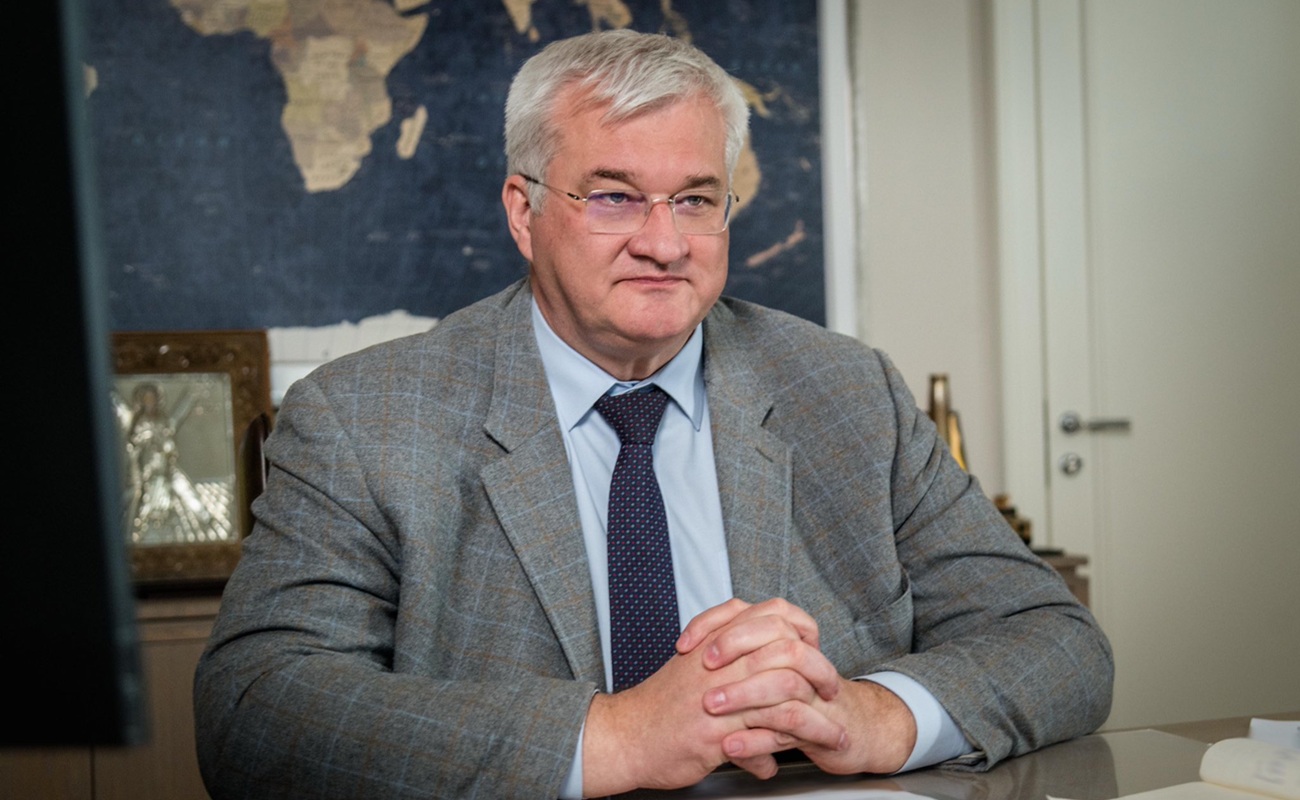
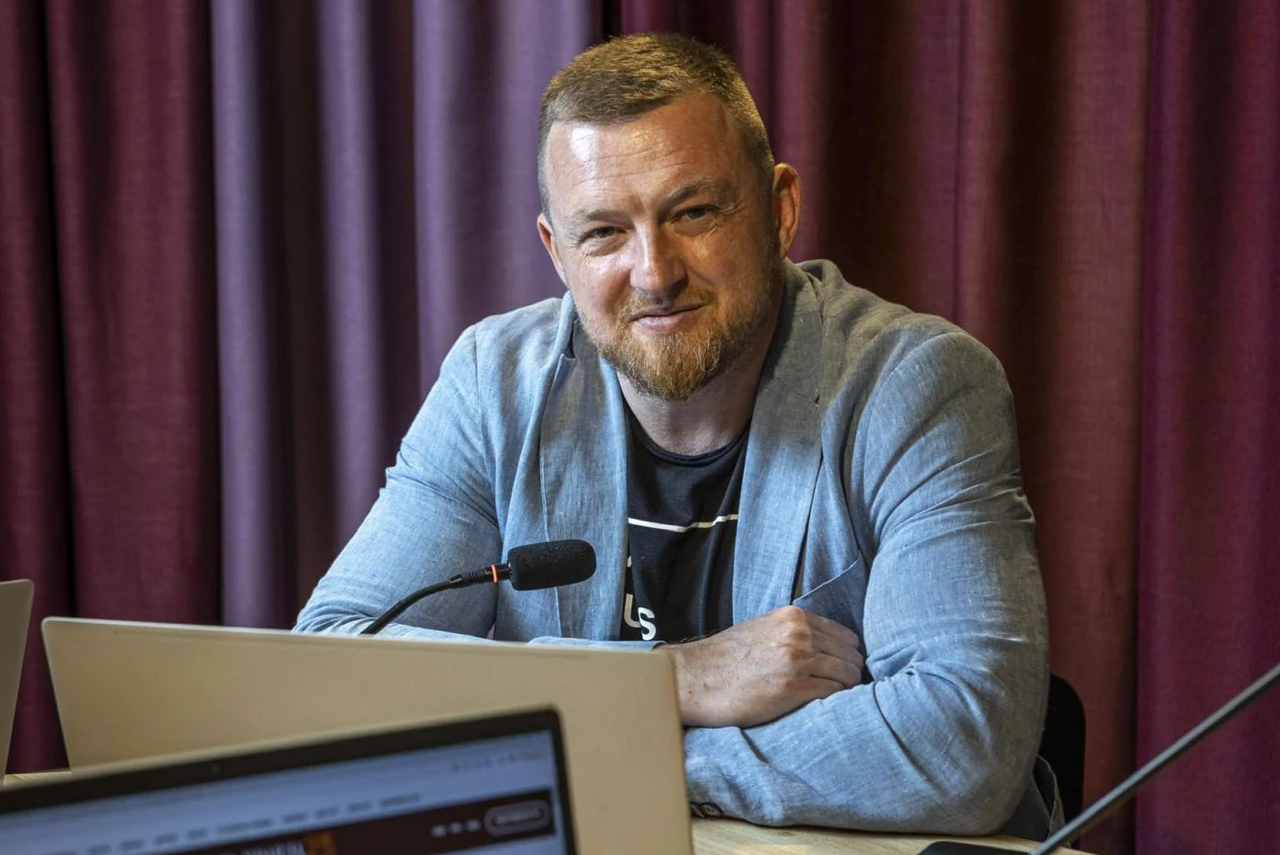
According to Espreso.tv: In a recent interview, analyst Sergey Fursa examined how strikes on Moscow are reshaping public opinion in Russia and undermining Vladimir Putin’s carefully crafted image of strength. He also addressed the broader consequences of attacks on Russia’s oil infrastructure. These developments highlight a surge in Ukrainian operations aimed at destroying strategic assets within Russian territory.
Targeting Oil Infrastructure
The June 18 attack marked the second strike on the Moscow Oil Refinery in just one week. The first occurred on June 16, when Ukrainian drones hit the Kapotnya refinery, damaging a primary oil processing unit. The follow-up strike on June 18 hit the same facility, demonstrating the precision and resolve of Ukrainian forces. Since May, Ukraine’s defense forces have disabled dozens of key Russian refineries, with operations intensifying through May and June 2026.
These strikes carry serious consequences for Russia’s economy. As Fursa noted,
“Russia essentially has nothing to respond with.”This highlights the country’s limited ability to launch counterattacks, which could influence public morale. Moreover, due to damage to its oil infrastructure, Russia has already been forced to seek imported fuel from Asian nations.
Fursa also emphasized that
“The key here is the image,”pointing to how these events are perceived by society. Attacks on strategic sites may trigger shifts in citizen sentiment, challenging the aura of power that Vladimir Putin has cultivated. Given the current situation, Ukraine continues to pursue an aggressive strategy against Russian aggression, which is also affecting domestic politics within Russia.
Strikes on Russia’s oil infrastructure signal a new phase in the conflict, where Ukrainian forces demonstrate both determination and strategic planning. This not only threatens Russia’s economic stability but could also alter public attitudes, eroding trust in the current leadership. In the context of a prolonged war, such actions may become pivotal factors influencing political dynamics and public support in Russia.
Read also
- History Teacher Banned from Teaching Until 2032 for Justifying Russia’s War
- Can Trump Stop the War? Putin Plans a New Offensive in Donbas
- Ukrainian Strikes on Russian Rear Areas Could Reshape Putin’s Inner Circle, Analyst Suggests
- Kremlin spokesman dismisses Trump’s plan to grant Ukraine a Patriot license as a strategic blunder
- A Shift in Washington’s Stance on Ukraine: What Zelensky and Trump Discussed
- Putin Lives in a Fantasy World, Blind to Russia's Crises, Says Ukrainian Official