How U.S. and Israeli Strikes on Iran Are Shifting Global Oil Prices.

Turmoil in Global Energy Markets
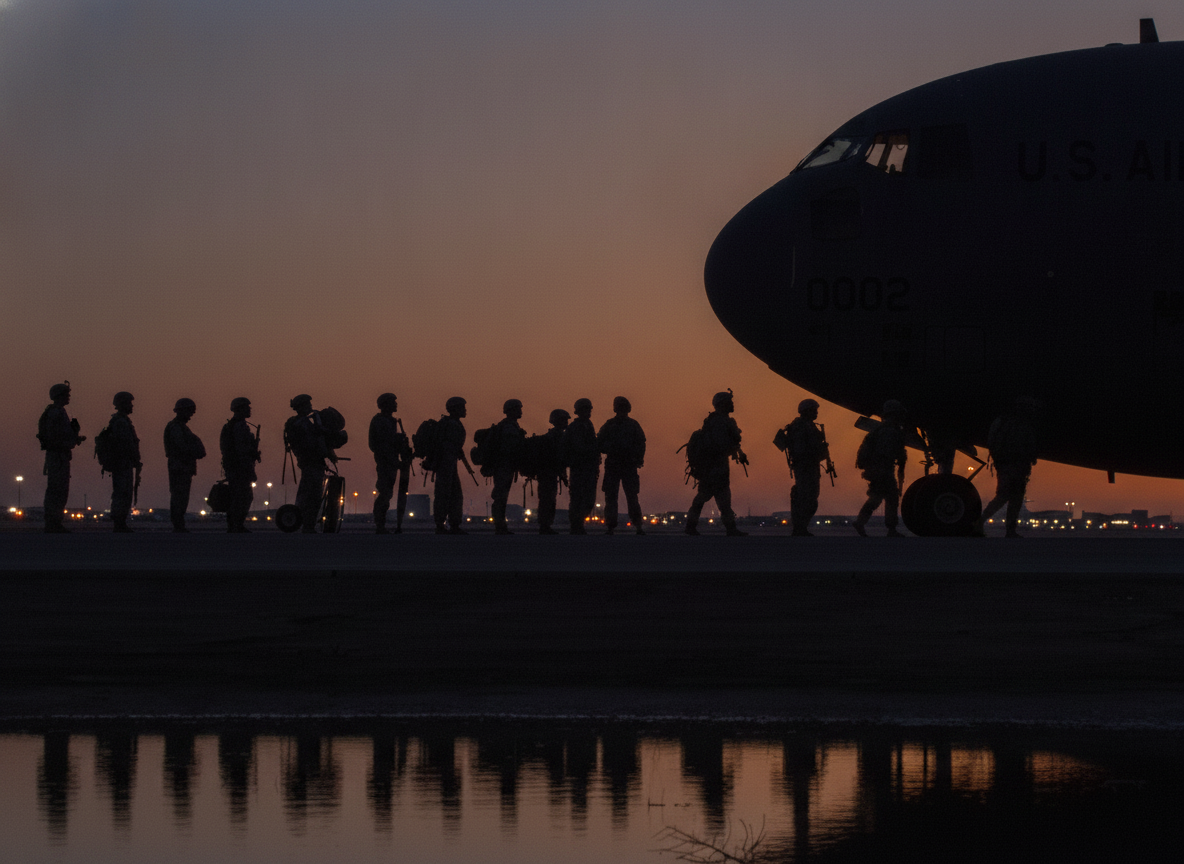
According to TSN.ua: Global energy markets are experiencing significant volatility following joint U.S. and Israeli strikes on Iran, which have impacted oil exports and driven up prices. On February 28, the United States and Israel conducted coordinated strikes against regime targets in Iran. In response, Iran attacked American bases in Kuwait, the UAE, Qatar, Bahrain, and Jordan. As a result of these events, the benchmark price for Brent crude oil rose to approximately $70 per barrel. This price surge directly reflects the market's sensitivity to instability in a key oil-producing region.
Economic Impact and Conflict Escalation
The rise in oil prices has been accompanied by a sharp increase in base rates for large oil tankers on the Middle East-to-China route, which have more than tripled since the start of the year. Explosions were reported in the UAE and Kuwait, while Qatar announced it had intercepted missiles. Ali Khamenei was killed in the U.S.-Israeli operation, prompting the Iranian government to declare 40 days of national mourning and seven days of national holidays. The Strait of Hormuz, a critical chokepoint for global oil shipments, remains a focal point of concern for traders and analysts.
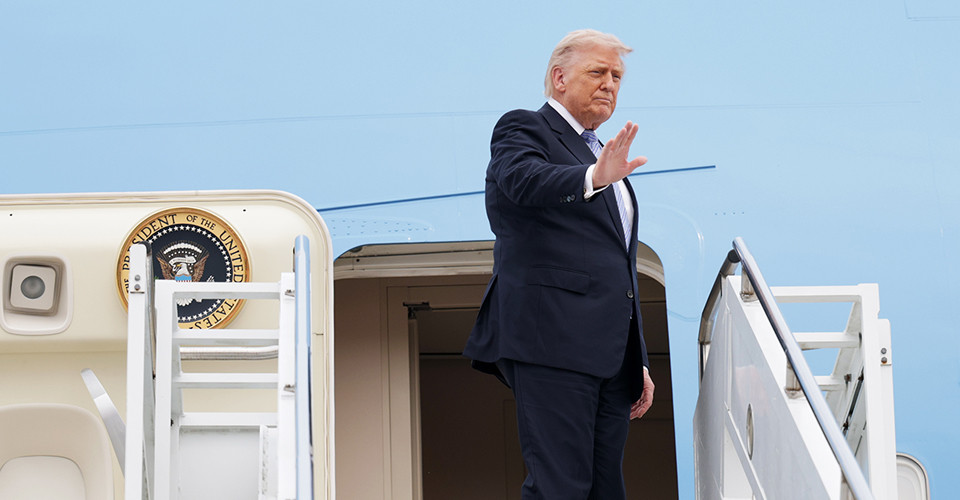
“The attacks are intended to eliminate a security threat to the United States and give the Iranian people a chance to overthrow their rulers.”
Donald Trump
These events are undoubtedly affecting energy market conditions and could have lasting consequences for the global economy.
The situation surrounding Iran and the actions of the U.S. and Israel could lead to further escalation of conflict in the region, which would, in turn, impact the stability of global energy markets. Rising oil prices could strain the economies of countries dependent on energy imports and trigger inflationary pressures in many parts of the world. Monitoring the unfolding situation will be crucial for forecasting changes in the energy market in the near future.
Read also
- U.S. Secretary of State to Represent America at 2026 World Cup Opener as Trump Skips Match
- New US Bill Targets Tech Leaks Fueling Iran’s Shahed Drones
- Iran Identifies New Retaliatory Targets for Strikes Against the US: Bases in Three Nations
- Trump Orders Military Strikes on Iran: What We Know About the Operation
- Helicopter Down: Trump Warns of More Strikes After US and Iran Exchange Fire
- Trump Plans a Massive 250th Birthday for the US: White House UFC Fight and Campaign-Style Concert