Why the 1995 Black Sea Fleet Agreement Is Seen as a Precursor to Crimea’s Annexation.

Three Decades Since the Pact Was Signed
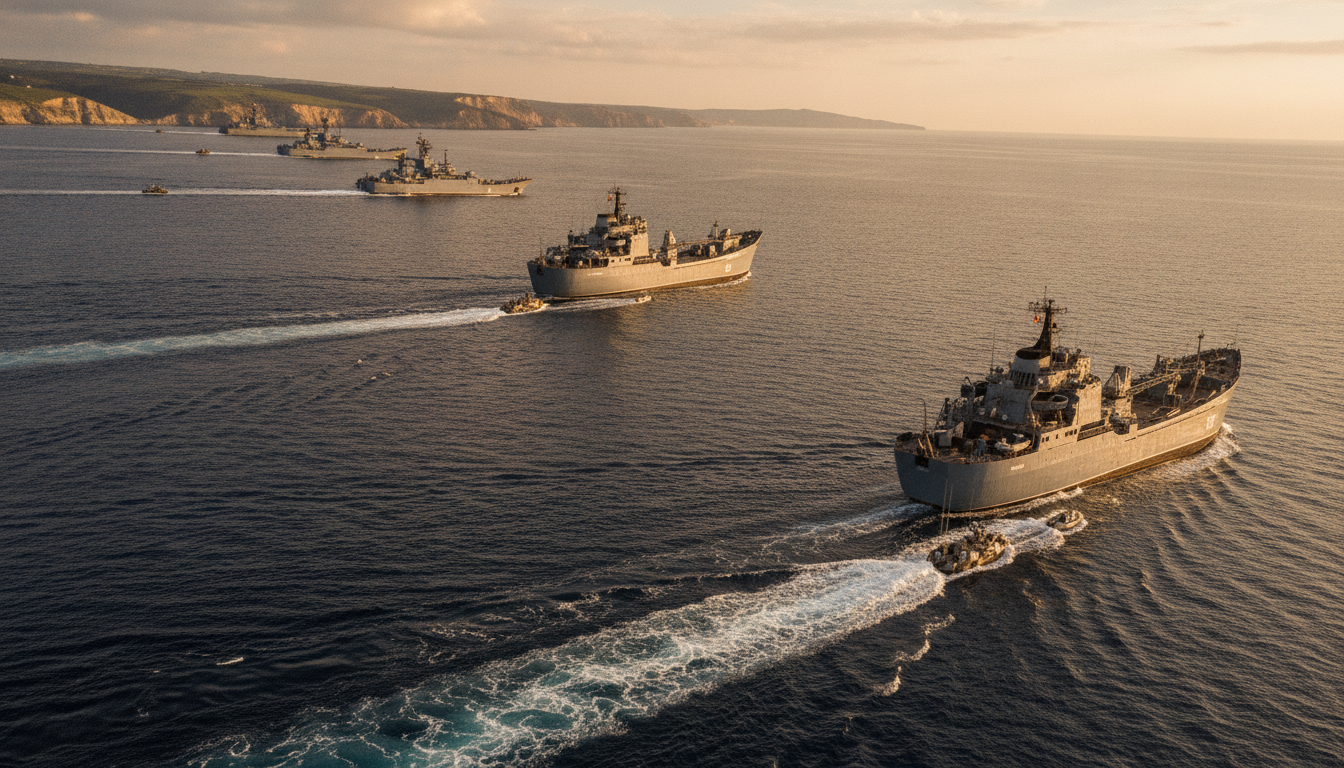
According to Novyny.live: On June 9, 2026, it will have been 31 years since Ukraine and Russia struck a deal dividing the Black Sea Fleet. Signed in Sochi on June 9, 1995, the agreement allocated 18.3% of the fleet’s vessels to Ukraine, while Russia retained over 81%. Sevastopol was designated as the primary base for Russia’s Black Sea Fleet. Following the split, many of the ships transferred to Ukraine were found to be in poor technical condition, raising concerns among Ukrainian military officials.
The Agreement’s Significance and Lasting Impact
This division of the Black Sea Fleet marked a pivotal moment in Ukraine-Russia relations, yet it has also drawn sharp criticism. Many analysts view the pact as deeply controversial, arguing that it laid the groundwork for later regional conflicts. Russia’s 2014 annexation of Crimea is often traced back to this agreement, as control over the Black Sea Fleet and its Crimean bases became a key element in Moscow’s strategic calculations.
As a result, the 1995 deal left a lasting imprint on the history of ties between the two nations, with its consequences still felt today. Issues surrounding the Black Sea Fleet remain highly relevant, continuing to spark debate in both political and public spheres.
Marking the 31st anniversary of the Black Sea Fleet agreement highlights the enduring and complex nature of Ukraine-Russia relations—a relationship marked by alternating phases of cooperation and conflict. Security concerns in the Black Sea region now command the attention of both Ukraine and the broader international community, especially given shifting geopolitical dynamics and emerging influences in the area. Examining the agreement’s outcomes may provide a foundation for future efforts to promote maritime stability and security.
Read also
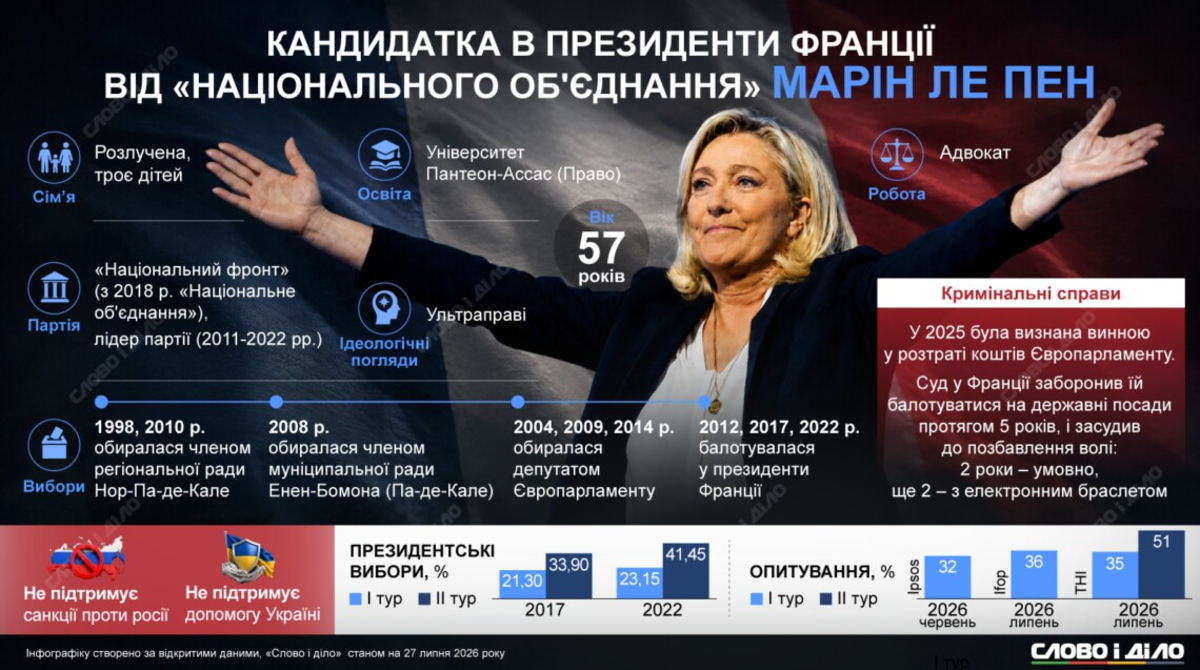
- Marine Le Pen Announces Presidential Run After French Court Reduces Election Ban
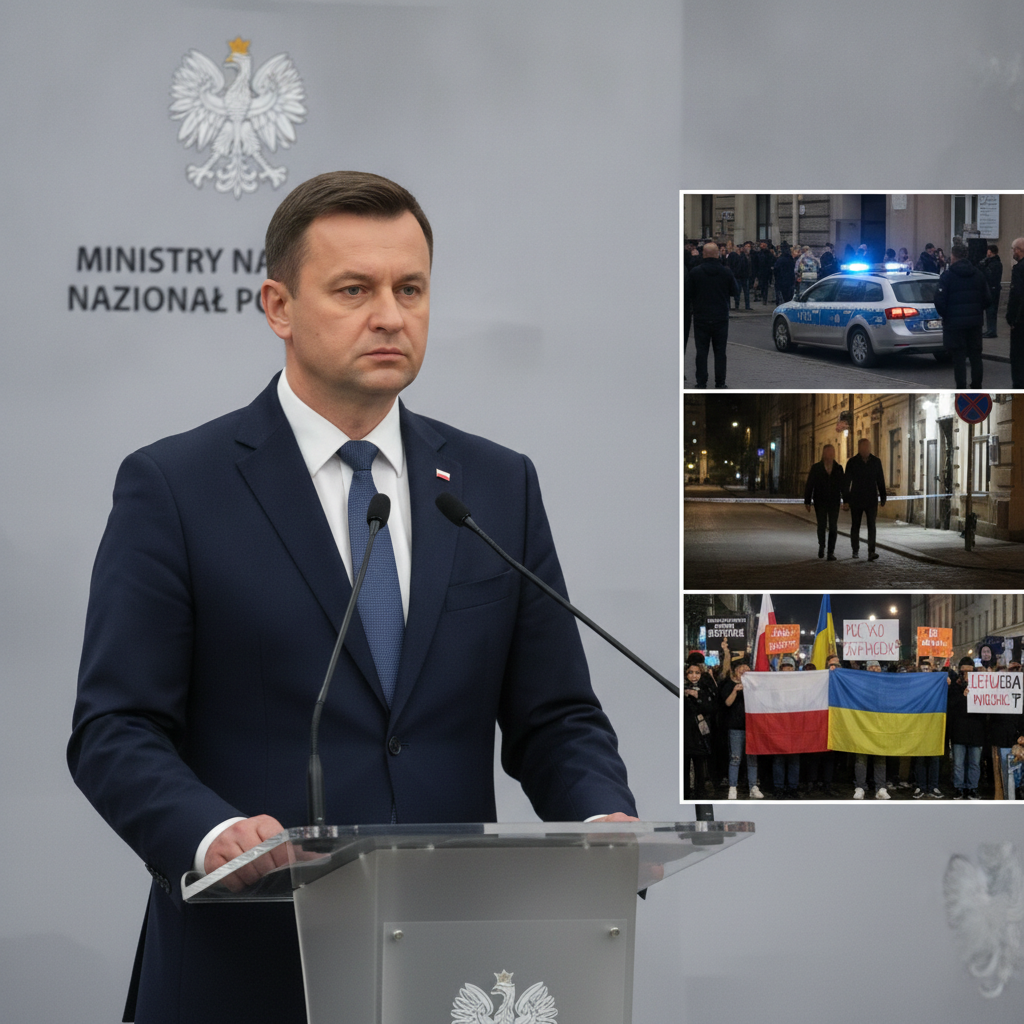
- Polish Defense Minister Declares EU Membership Impossible for Ukraine as Long as Bandera Adorns Its Banner
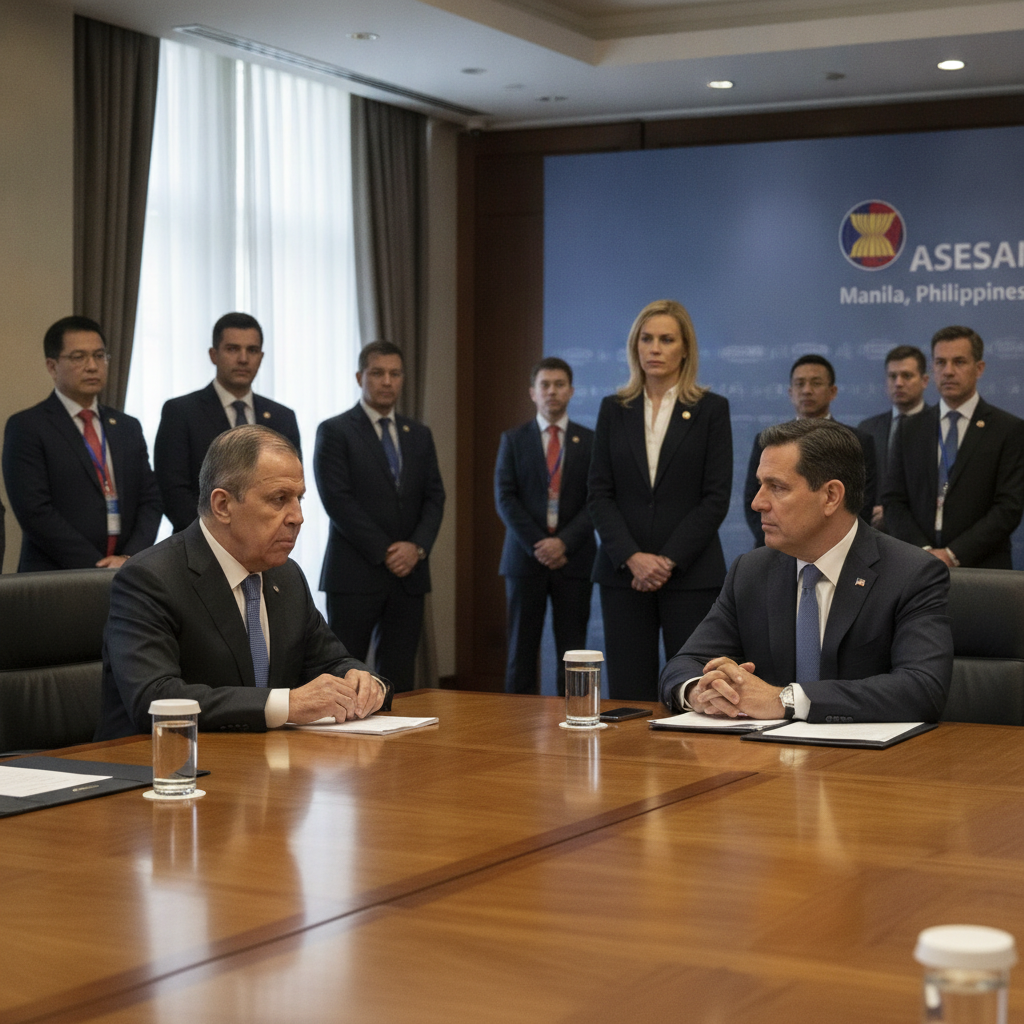
- Zakharova Comments on Manila Meeting: Moscow Signals Openness to Diplomatic Resolution
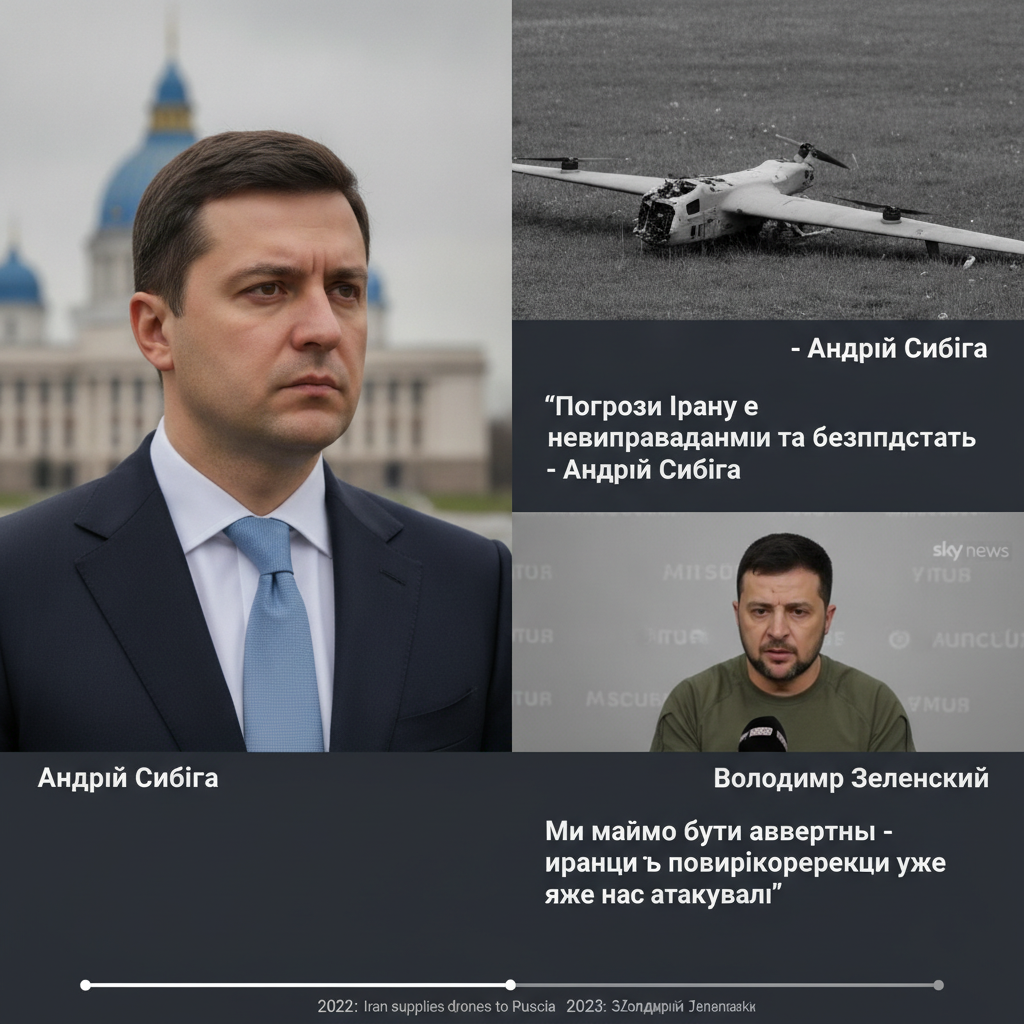
- Threats from Iran Against Ukraine Called Baseless by Foreign Minister Sybiha
- 136 Power Infrastructure Targets Struck in Crimea: The 'Switch Off' Campaign
- Details Emerge on Occupiers' Plan to Hand Over Land as 'Veteran Support' – A Strategy for Consolidation?