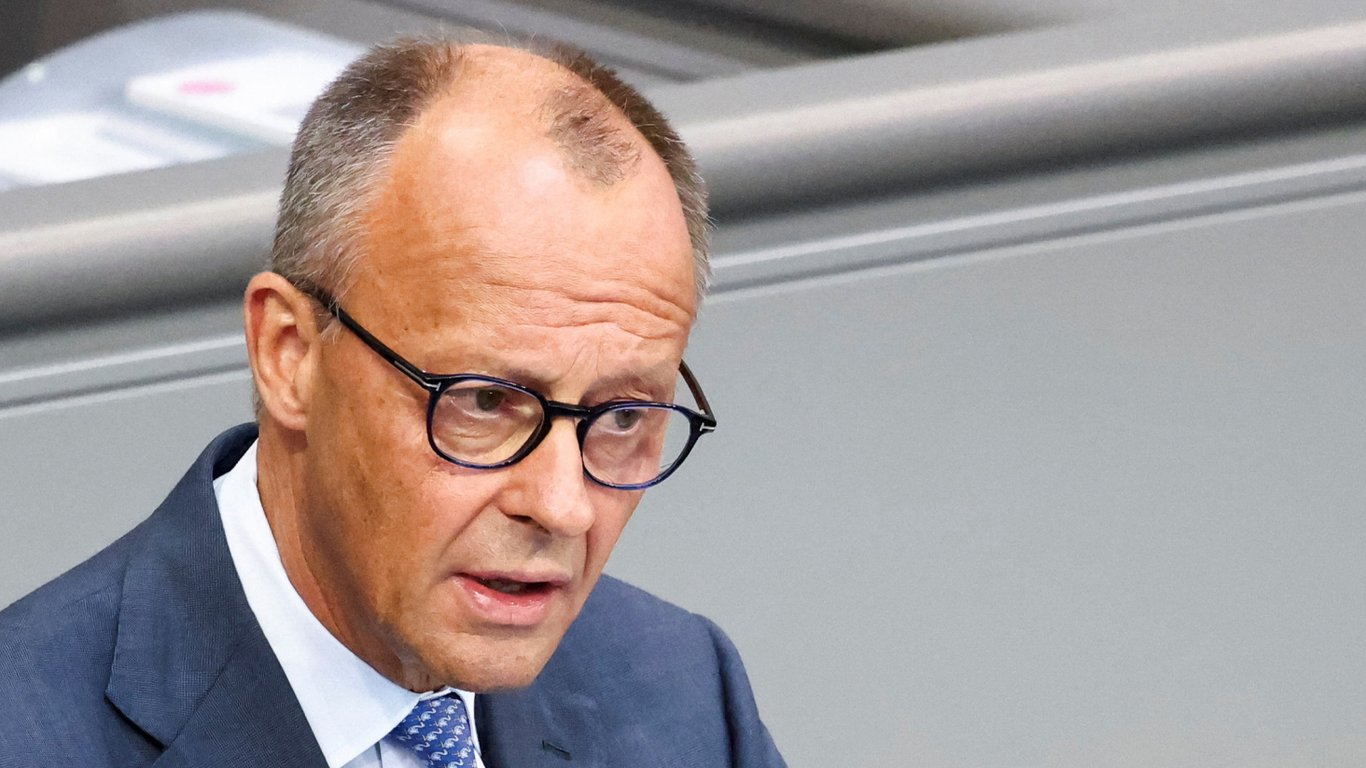
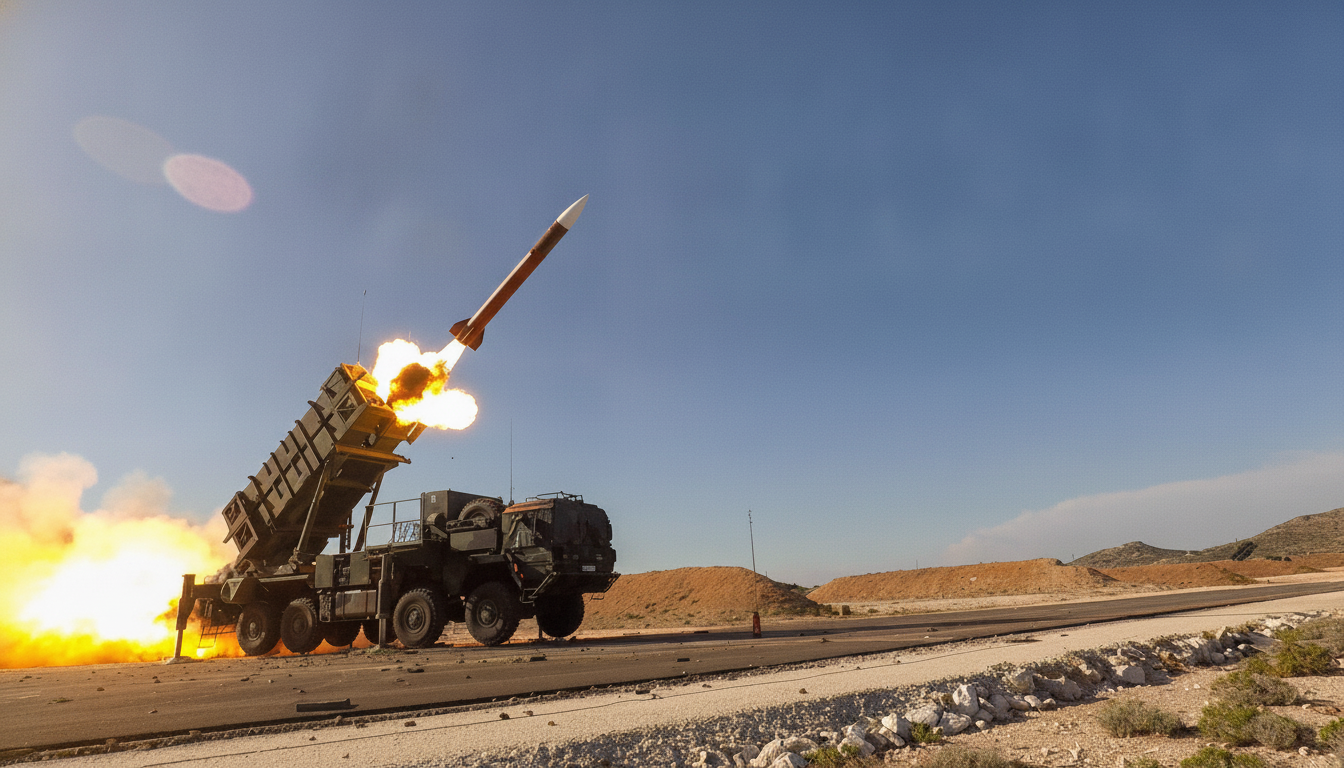
How Ukraine Can Overcome Hungary's Veto on a Key EU Reparations Loan.

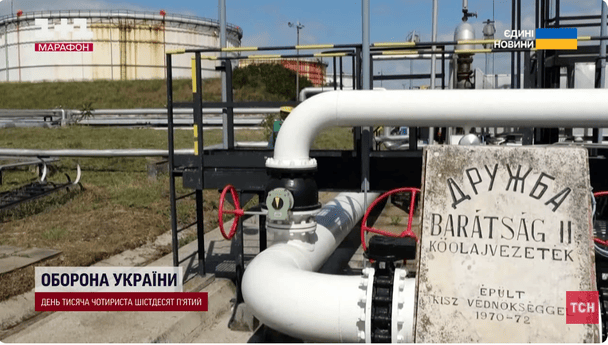
Damage to the 'Druzhba' Oil Pipeline
According to TSN.ua: Russian missile strikes damaged the 'Druzhba' oil pipeline in late January, halting the flow of Russian oil to Hungary and Slovakia. Hungarian Prime Minister Viktor Orbán has accused Ukraine of blocking supplies since January 27th, stating:
“Our eastern neighbor has been blocking oil supplies since January 27. The government has determined there are no technical obstacles to resumption. This is open political blackmail.” - Viktor Orbán
This dispute is further complicated by Hungary's separate veto of a €90 billion EU reparations loan for Ukraine. European Commission President Ursula von der Leyen visited Kyiv on February 24th, where discussions focused on ways to circumvent the Hungarian veto. She emphasized:
“The loan was agreed by twenty-seven heads of state. They gave their word, and it cannot be broken. We have various options to circumvent the veto, and we will use them.” - Ursula von der Leyen
Political Repercussions and Energy Security
The political fallout for Hungary is significant, with Orbán's party facing declining poll numbers ahead of parliamentary elections scheduled for April 12th. In response to Hungary's accusations, Ukrainian President Volodymyr Zelenskyy remarked: 'Russia has destroyed this pipeline several times already. So now let Orbán talk to Putin. Perhaps about an energy ceasefire.'
The situation has also caused concern in Slovakia, where Prime Minister Robert Fico has threatened potential electricity blackouts. However, experts consider such threats unrealistic, as the country has alternative energy sources. Meanwhile, discussions on the reparations loan and potential ways to bypass Hungary's veto remain active on the international stage. This standoff highlights the complex energy interdependencies within the European Union, where member states' foreign policy stances can directly impact collective financial support.
This crisis underscores the fragility of regional energy relations amid the ongoing war in Ukraine and Russia's targeting of energy infrastructure. The tension between Hungary and Ukraine could have far-reaching consequences for European political stability and the energy security of neighboring nations. The active search for ways to circumvent the Hungarian veto on the reparations loan signals intensified international efforts to support Ukraine and counter Russian aggression.
Read also
- EU Summit on June 18-19 to Feature Zelenskyy as First Negotiation Cluster Opens
- G7 Summit to Address Peace Talks: Has the War’s Momentum Shifted in Ukraine’s Favor?
- Ukraine Establishes Official Day for Unmanned Systems Forces: Key Details on the New Holiday
- Massive Russian Protests Could Erupt Over Conscription, Says Former CIA Analyst
- Zelenskyy Confirms Strike on Cheboksary Plant as Ukraine Hits Military and Oil Facilities
- Overnight on June 11, Russia Launches 221 Drones and Two Missiles in Massive Assault on Ukraine