Hungarian PM Orbán Could Stall Ukraine's €90 Billion EU Loan Package.

Hungary's Stance on the Ukrainian Loan
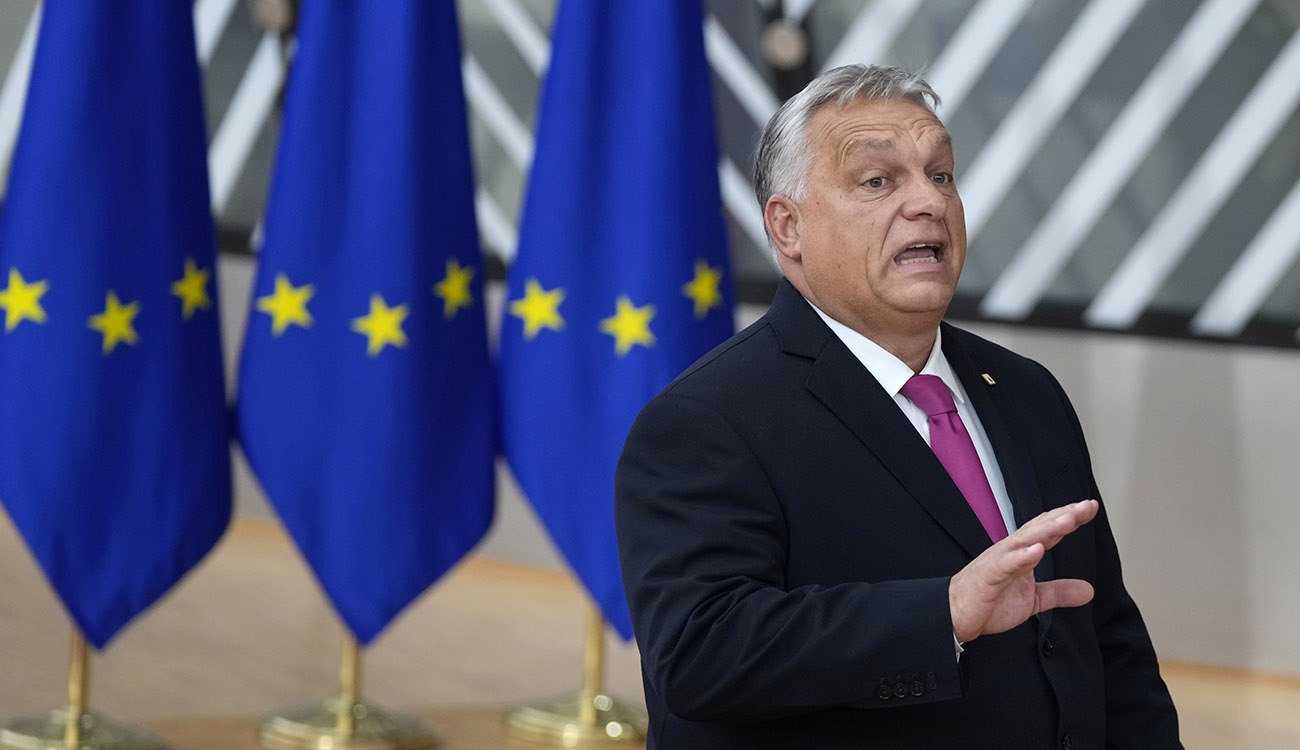
According to UATV: Hungarian Prime Minister Viktor Orbán may ultimately support a €90 billion loan package for Ukraine, but is likely to delay any decision until after Hungary's parliamentary elections. This analysis was presented by expert Oleh Saakian on February 24.
Documents for the 90-billion-euro loan have been signed in the European Parliament, representing a potential major financial lifeline for Ukraine. However, Saakian notes that if the European Union were to approve this funding for Ukraine without considering Hungary's vote, it could become a political 'digital gift' for Orbán, allowing him to claim victory against EU pressure.
Political Factors and Their Impact
Consequently, the issue of approving the loan remains unresolved, with its fate tied to the political climate in Hungary. As the country's leader, Orbán holds significant sway over this decision, and his position may shift based on domestic political calculations.
The €90 billion in EU funding would provide substantial support for Ukraine's economy amid its ongoing crisis. However, internal political factors in Hungary, particularly the approaching parliamentary elections, are poised to influence Orbán's final decision. This situation underscores how a member state's domestic politics can directly impact the EU's collective financial support for Ukraine. Hungary has previously used its veto power to delay or shape EU decisions concerning Ukraine.
Read also
- Hungary's Top Prosecutor Steps Down After Controversy Over Ukrainian 'Gold Convoy'
- Orbán Accuses Hungary’s New Government of Autocracy: What’s Unfolding
- Hungarian prosecutors search Fidesz party headquarters over €47 million fund distribution probe
- Hungary Braces for Major Probes: Orban and Szijjarto Could Face Consequences for Alleged Kremlin Ties
- Orban Accuses Former Foreign Minister Szijjarto of Treason Over Alleged Moscow Ties
- Hungary Moves to Cap Lawmaker Terms: Madjar Pushes 17th Constitutional Amendment