EU Secrets Leaked to Moscow via Hungary: Budapest’s Actions Could Trigger Voting Reforms.

Budapest’s Talks with Moscow
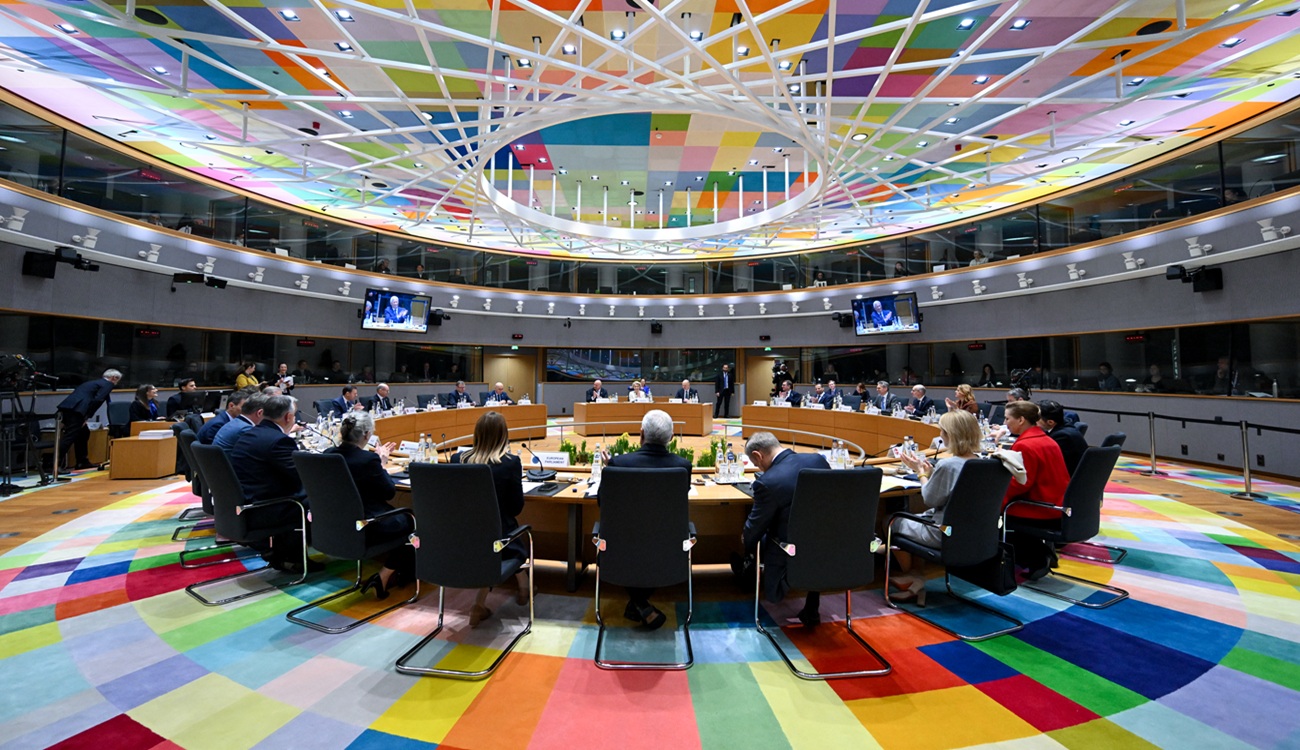
According to UATV: Hungary’s discussions with Russia may hand Moscow an advantage over the European Union, pushing the bloc to overhaul its decision-making procedures. Hungarian Foreign Minister Péter Szijjártó reportedly briefed Moscow on the outcomes of closed-door EU meetings, sparking alarm among European officials. For years, Viktor Orbán’s government has been passing sensitive information about EU deliberations to Russia, potentially weakening the bloc’s unity amid global political tensions. This has raised questions about the integrity of internal EU communications, especially as member states coordinate responses to Russian aggression.
Hungary’s Influence on the EU
Polish Prime Minister Donald Tusk pointed out that a 'shadow of Moscow' loomed over EU summits when Hungarian leadership was present. This suggests that Hungary may be leveraging its position to advance Russian interests in the region. Political analyst Ilya Butenko commented:
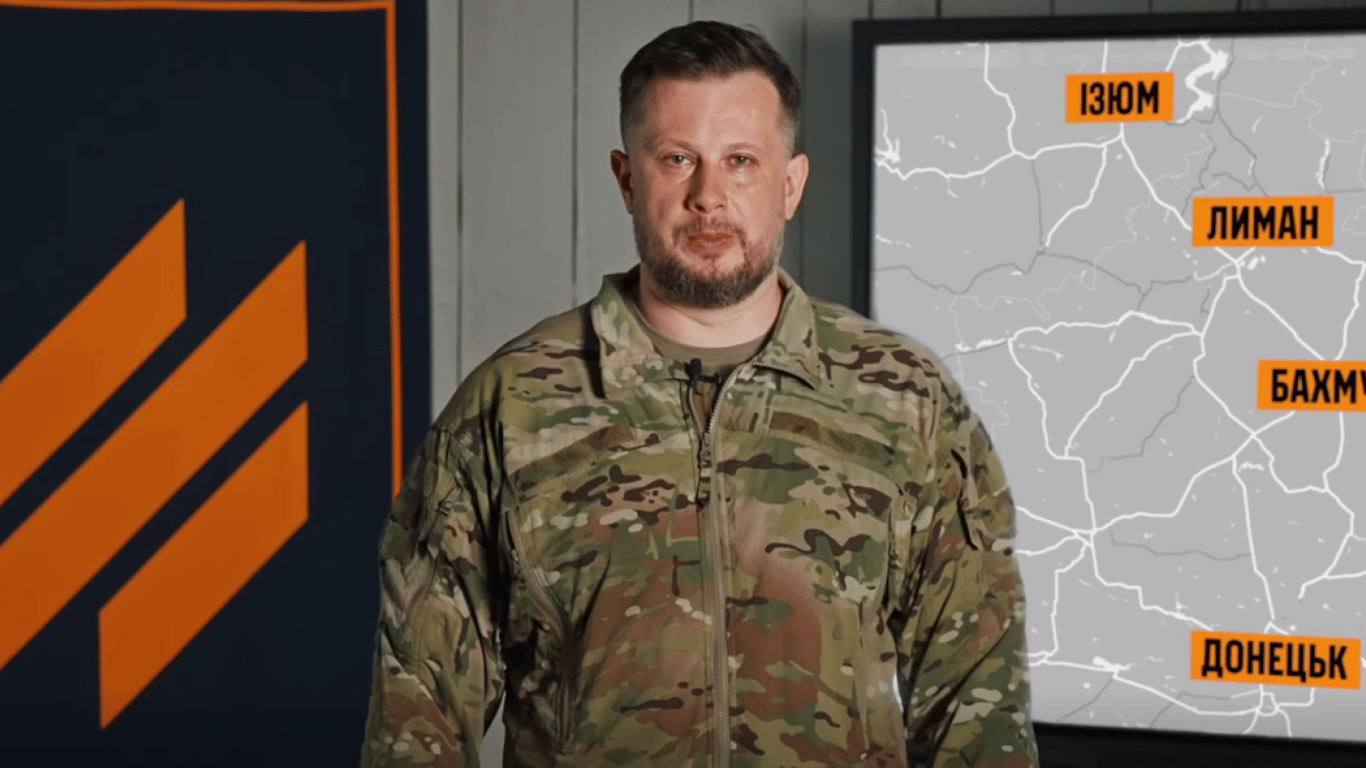
“This was exploited during the war against Ukraine, at a time when Moscow is running aggressive espionage campaigns within the EU.” – Ilya Butenko
Butenko further stressed that if Hungary’s leadership continues to play into the Kremlin’s hands, the European Union must not remain hostage to Budapest’s stance. It is crucial for the EU to consider adopting a new framework that elevates decisions on aid to Ukraine to a more constructive level. These remarks highlight the urgent need to reassess collaboration with states that maintain ambiguous ties with Russia.
As a result, the situation surrounding Hungary and its interactions with Moscow casts doubt on the EU’s strategies regarding sanctions policy and support for Ukraine. Budapest’s position may demand fresh approaches and changes to the bloc’s decision-making procedures to preserve unity and effective action in response to Russian aggression.
Safeguarding EU cohesion in light of Hungary’s activities is critical for maintaining a unified policy toward Russia. Given Moscow’s assertiveness in the region—especially amid the war in Ukraine—EU member states must find ways to prevent internal fractures. This could involve revising decision-making mechanisms to limit the ability of individual countries like Hungary to serve as conduits for Russian influence. At the same time, maintaining constructive dialogue is essential to ensure regional stability.
Read also
- Germany Rejects Tusk’s Request for Mediator Role in Poland-Ukraine Dispute
- Ukraine and Poland on the Brink of a Diplomatic Crisis: Zelenskyy Faces Revocation of a Prestigious Award
- Why Ukraine Cannot Rely Solely on Foreign Aid for Post-War Recovery, According to an Economist
- Polish President Nawrocki Surpasses Holownia in Polls: Inside the Controversy Over Stripping Zelensky of an Order
- Poland and Ukraine Launch Joint Economic Conference in Gdańsk to Drive Reconstruction Efforts
- Will Europe Become the Primary Financial Backer for Ukraine’s Post-War Reconstruction?