Why Your USB-C Charger Overheats and How to Prevent It.

The Problem of Smartphone Charger Overheating
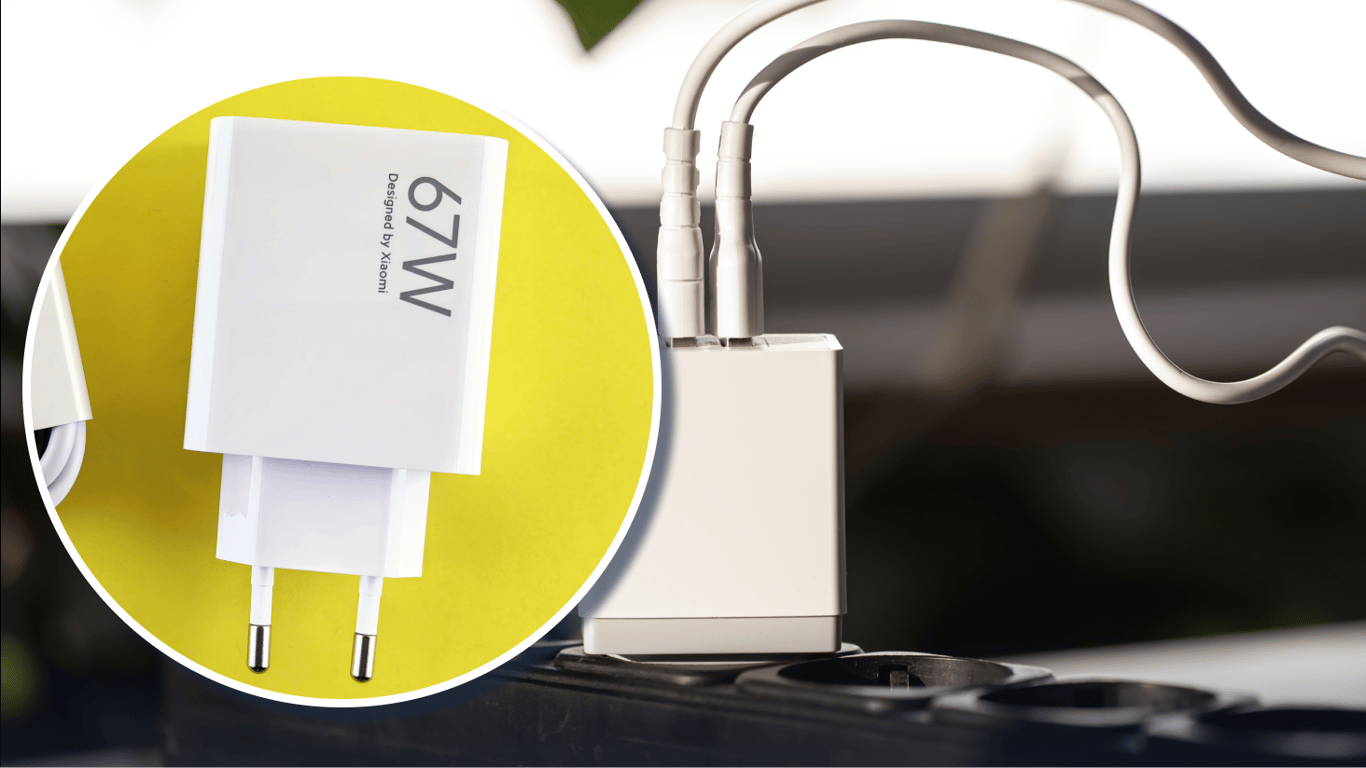
According to Novyny.live: Overheating smartphone chargers are an increasingly critical safety and performance issue. This phenomenon poses significant risks to user safety and can drastically shorten the lifespan of your devices. The root causes are multifaceted, involving the USB-C standard and the inherent characteristics of fast-charging technology.
Since 2026, USB-C has served as a universal connector, offering convenience across a wide range of devices. However, not all cables are created equal; they can deliver vastly different power levels, from basic outputs up to 60-100 watts or more. This power variance means your choice of cable directly impacts charging efficiency and safety. For instance, using a cable not rated for your device's power requirements is a primary cause of excessive heat buildup.
Key Factors Leading to Charger Overheating
Modern power management chips handle much of the charging process, which also influences charger temperature. While these controllers can regulate power delivery, they aren't always foolproof in preventing overheating, underscoring the importance of adhering to manufacturer standards and guidelines.
So, where is the line between 'warm' and 'dangerously hot'? This threshold varies depending on the specific charger model and its operating environment. As a general rule, if a charger becomes too hot to touch comfortably, it's likely indicating an operational problem.
The reasons for charger overheating are diverse. Among the main contributing factors are:
- Using poor-quality or uncertified cables;
- Overloading the charger's capacity;
- Insufficient ventilation and cooling during operation.
Monitoring your charger's condition and following usage instructions is essential to avoid potential hazards and device damage.
In summary, charger overheating is a vital consumer safety concern. Understanding charging standards and technology nuances is key to ensuring the safe and efficient use of your electronics. With the widespread adoption of USB-C and a vast market of accessories, users must exercise caution when selecting cables and adapters. A mismatch between devices and cables not only risks overheating but can also create a fire hazard. Therefore, it's crucial to follow manufacturer recommendations and use only certified accessories. This proactive approach helps prevent accidents and ensures the reliable, long-term operation of your valuable devices.
Read also
- Russia Unveils New 'Saturn' Drones: Key Specs and Frontline Combat Update
- Hotspot Sensor Unlocked on RTX 50 GPUs: What’s Really Causing Overheating Issues
- Germany Launches Mass Production of Gereon Ground Drones for Ukraine
- LG Display Experiment Shows 480Hz Monitor Boosts Gamer Accuracy by 38%
- Russia Set for Rocket Launches from Plesetsk: Key Details on the 'Rassvet' Mission
- U.S. Regulators Approve Night-Illuminating Satellite: Key Details on the Eärendil-1 Project