Not All USB-C Cables Are Equal: The Hidden Limits of Fast Charging.

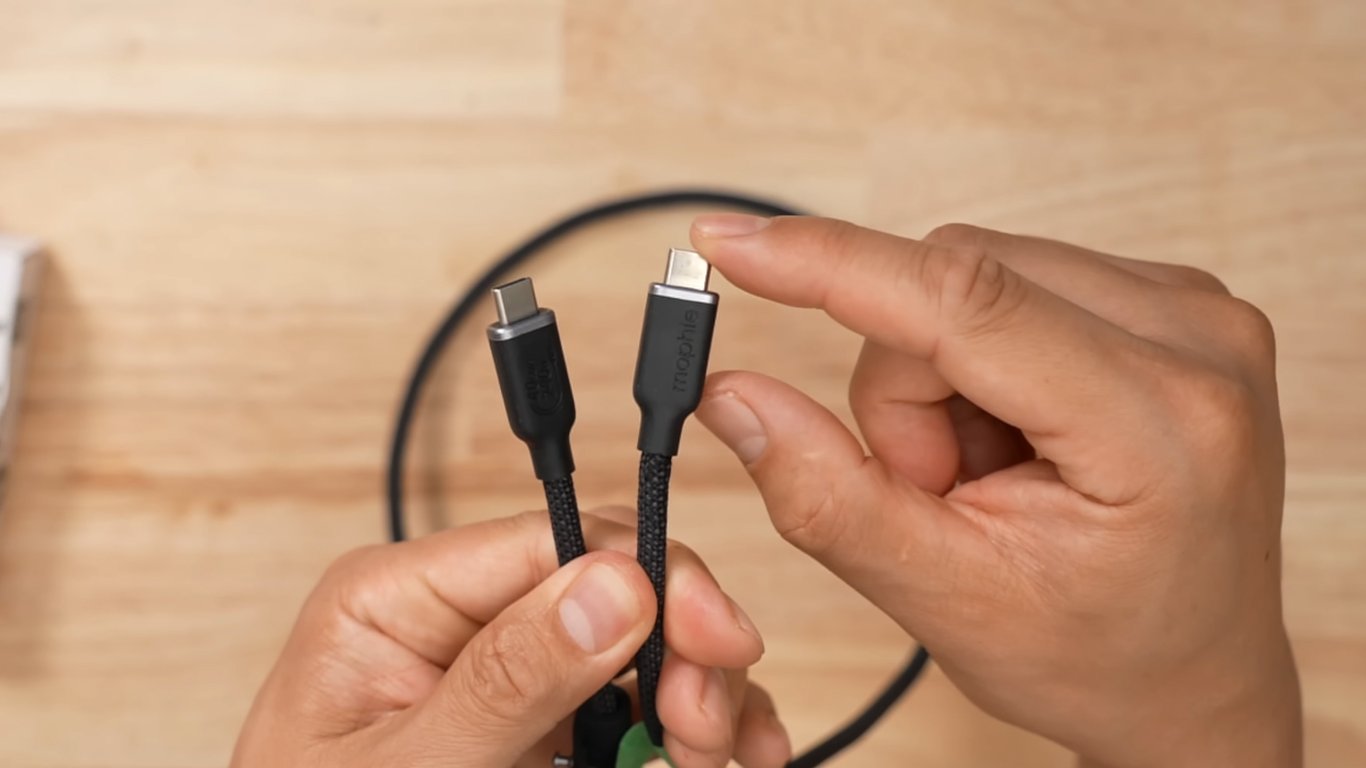
The Universal Connector's Secret: Why Your USB-C Cable Might Be Slowing You Down
According to Novyny.live: By 2026, USB-C has become the single, mandatory charging port for smartphones, tablets, and laptops. This universal standard enables cables to deliver between 60 and 100 watts of power, making them highly effective for rapid charging across a wide range of devices. However, not every cable that uses this physical connector supports fast charging capabilities. The performance depends heavily on the specific type of cable and its official certification. This is a common point of confusion, as the familiar USB-C port can hide significant differences in capability.
What's Really Limiting Your Charging Speed?
The charging speed is ultimately determined by the weakest link in the chain: your phone, the power adapter, or the cable itself. For instance, older USB-A to USB-C cables frequently lack support for the advanced Power Delivery (PD) protocol, which drastically reduces their potential for fast charging. To fully benefit from rapid charging technology, it is therefore essential to select the correct cables designed for the task.
How to Ensure You Don't Lose Charging Speed:
- Look for certification from the USB Implementers Forum (USB-IF), which serves as a reliable benchmark for a cable's true capabilities.
- Always verify that a cable carries the appropriate certification confirming its support for fast charging standards.
This simple step will prevent situations where your device charges slower than expected due to a low-quality or incompatible cable.
While the universal adoption of USB-C has given users the potential for much faster charging, it's crucial to remember that not all cables perform identically. Choosing a properly certified cable can significantly impact charging efficiency. This knowledge helps consumers avoid frustration and ensures their gadgets operate at their optimal performance level.
Read also
- Antique Musket Balls Repurposed Into Solar Cells with 94% Efficiency
- South Korea Patents a Silent Engine for Air Taxis
- 144 FPS at 4K: A Gamer Pairs an RTX 3090 and RTX 3050 for Stunning Performance
- Snapdragon 8 Elite Gen 5: Qualcomm’s New Chip Targets Sub-$600 Smartphones
- Samsung Unveils Three New Odyssey Gaming Monitors: Specs and Features Revealed
- Plastic Waste Converted into Jet Fuel: New Breakthrough by Chinese Researchers