Russia's 'Horsepower Tax': Disposal Fee Skyrockets by Hundreds of Times.

Russia's Soaring Vehicle Disposal Fee
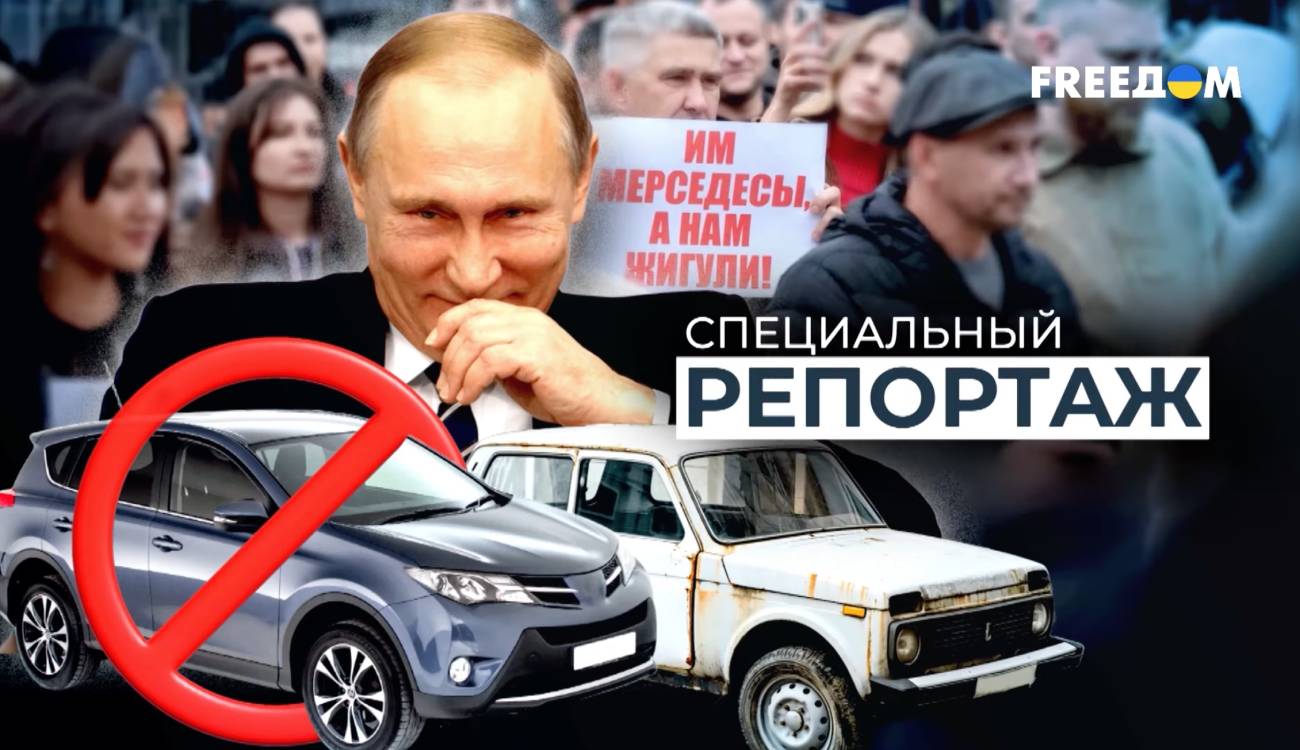
According to UATV: Russia has implemented a massive increase in its vehicle disposal fee, sparking public outrage. The levy on cars with engines over 160 horsepower has surged from 5,000 rubles to 2 million rubles. For the 'Zeekr 001' electric vehicle, the fee has jumped from 3,500 rubles to 2.5 million rubles. This has caused a rapid rise in new car prices, a significant blow as 68% of new car sales in Russia are models with engines exceeding that power threshold. This policy is part of a broader trend of fiscal measures aimed at raising state revenue.
The situation has alarmed car enthusiasts. An anonymous commentator noted:
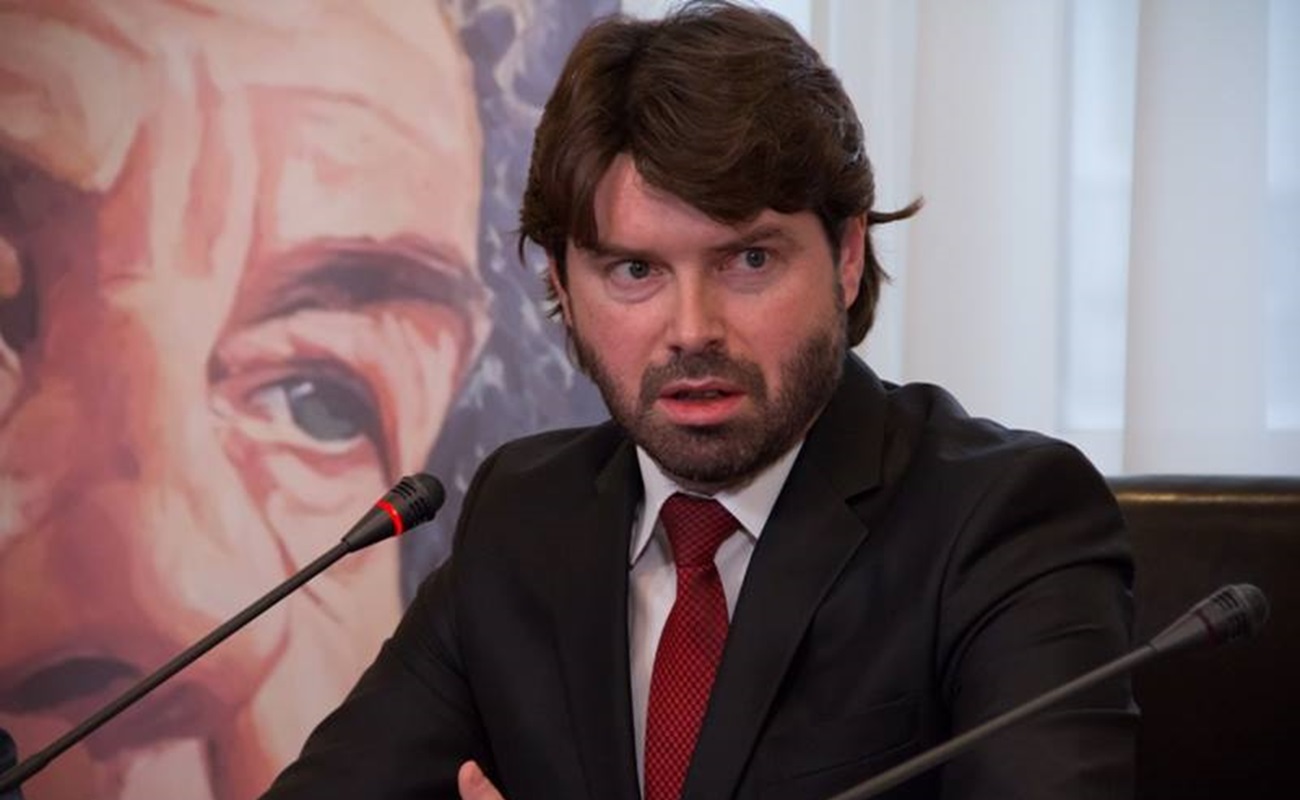
“The disposal fee is higher than the price of the car. How is that possible? This is a tax out of thin air!”Economist Igor Lipsits added that
“The Kremlin needs to collect money for the budget by any means possible. That's why they are inventing some crazy taxes.”Meanwhile, Vladimir Putin asserts the decision was made to address environmental problems.
Economic Fallout and the Need for Reform
It is noteworthy that in 2025, the Russian auto industry received 1 trillion rubles in state subsidies, yet despite this, AvtoVAZ reported a 40% drop in production. These changes have fueled consumer dissatisfaction, with demands for greater availability of foreign cars and alternative transport options. In this context, it is clear that the issues of vehicle disposal and tax burden require detailed review and potential adjustment. The Russian auto market has been heavily impacted by international sanctions and the withdrawal of Western manufacturers.
The surge in the disposal fee poses serious economic and social consequences, as it could drastically reduce the affordability of new cars for the population. Amid existing difficulties in the automotive industry, such tax changes may lead to further production declines and increased vehicle shortages in the market. This could affect the overall state of the economy, as the auto industry is a vital sector providing jobs and revenue for the state.
Read also
- Kremlin Eyes Fresh Mobilization Drive: Up to 500,000 Troops Could Be Deployed to the Front
- Putin’s Economic Claims Exposed as Manipulation by Ukraine’s Disinformation Center
- Putin Abandons Plans to Return Occupied Lands to Ukraine: What We Know About the So-Called 'Buffer Zones'
- Russia Planning a New Fall Mobilization: When Recruits Could Reach the Front Lines
- Feigin Reveals Putin's Litmus Test: When Mobilization Plans Will Become Clear
- Putin Now Acknowledges Ukraine's Strength, Says Former Polish Defense Minister, Marking a Turning Point in the War