The Last Dogs Left Antarctica 30 Years Ago: Why They Were Evicted.

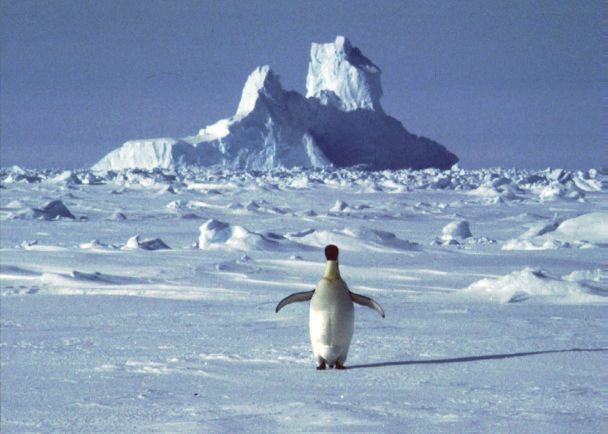
According to ТСН: Today, Antarctica is a continent with no trace of paws, but over a century ago, its ice was first traversed by dogs. The first huskies arrived here in 1899 with the expedition of Carsten Borchgrevink, becoming indispensable helpers for researchers during harsh winters.
The Role of Dogs During the 'Heroic Age'
During the 'Heroic Age,' dogs played an important role in the researchers' attempts to conquer the South Pole in the expeditions of Robert Scott and Douglas Mawson. They pulled heavy loads, provided logistics, and even became a source of food for exhausted polar explorers in critical situations.
The dramatic case of Mawson, who was forced to consume the meat of his huskies after losing supplies, led to the death of his colleague Xavier Mertz from hypervitaminosis A, highlighting the dangers of a continental diet.
Gradual Decline in Dog Numbers
Throughout much of the 20th century, dogs assisted polar explorers at research stations, boosting morale and facilitating movement. However, with the development of snowmobiles and other machinery, their practical necessity diminished.
Ban on the Presence of Dogs
The decision to evict dogs was made within the framework of the Environmental Protocol to the Antarctic Treaty. The international community concluded that the presence of non-native species on the continent contradicted the principles of preserving its unique ecosystem. In 1964, a ban was introduced on the import of foreign flora and fauna, but dogs remained an exception for another three decades.
By the early 1990s, the need for huskies was deemed non-existent. The main argument was the desire to avoid biological contamination: the dog plague virus, which could be transmitted to local seals and be fatal to them, as well as the risk of impacting the ecosystem through hunting penguins or disturbing their nests.
The End of an Era
The last dogs left Antarctica in February 1994, marking the end of a long era of animal use on this continent and allowing a focus on scientific research and the preservation of wildlife free from human activity.
Recall that earlier scientists discovered a unique species of land animals surviving in the extreme conditions of Antarctica. The Antarctic midge (Belgica antarctica) lost its wings during evolution, as flying in the conditions of Antarctic storms would lead to inevitable death and significant energy expenditure.
In the history of Antarctica, dogs played a significant role, helping researchers overcome the difficulties of extreme conditions. Since the days of the first explorations, their use has been an integral part of expeditions, but with the progress of technology, their role has gradually changed. With current restrictions on animal presence on the continent, the focus is placed on preserving the purity of the ecosystem and protecting local species.Read also
- Frontline Dynamics Shift: Chongar Bridge Destroyed, FP-5 Flamingo Missiles Deployed for the First Time
- Iran Identifies New Retaliatory Targets for Strikes Against the US: Bases in Three Nations
- Fuel Shortages and Logistics Nightmares Hit Russian Forces in Crimea After Ukrainian Strikes
- 530 Drones and Missiles Launched by Russia Against Ukraine in Three Days: Dozens Injured
- Japan Aims to Replace 14 Nuclear Reactors by 2050 in First Major Plan Since Fukushima
- Oil facilities in three Russian regions ablaze after Ukrainian strike