Ukraine’s Unwritten Media Restrictions During Wartime: Topics Banned from Reporting.

How Ukraine Manages Information Control in Conflict
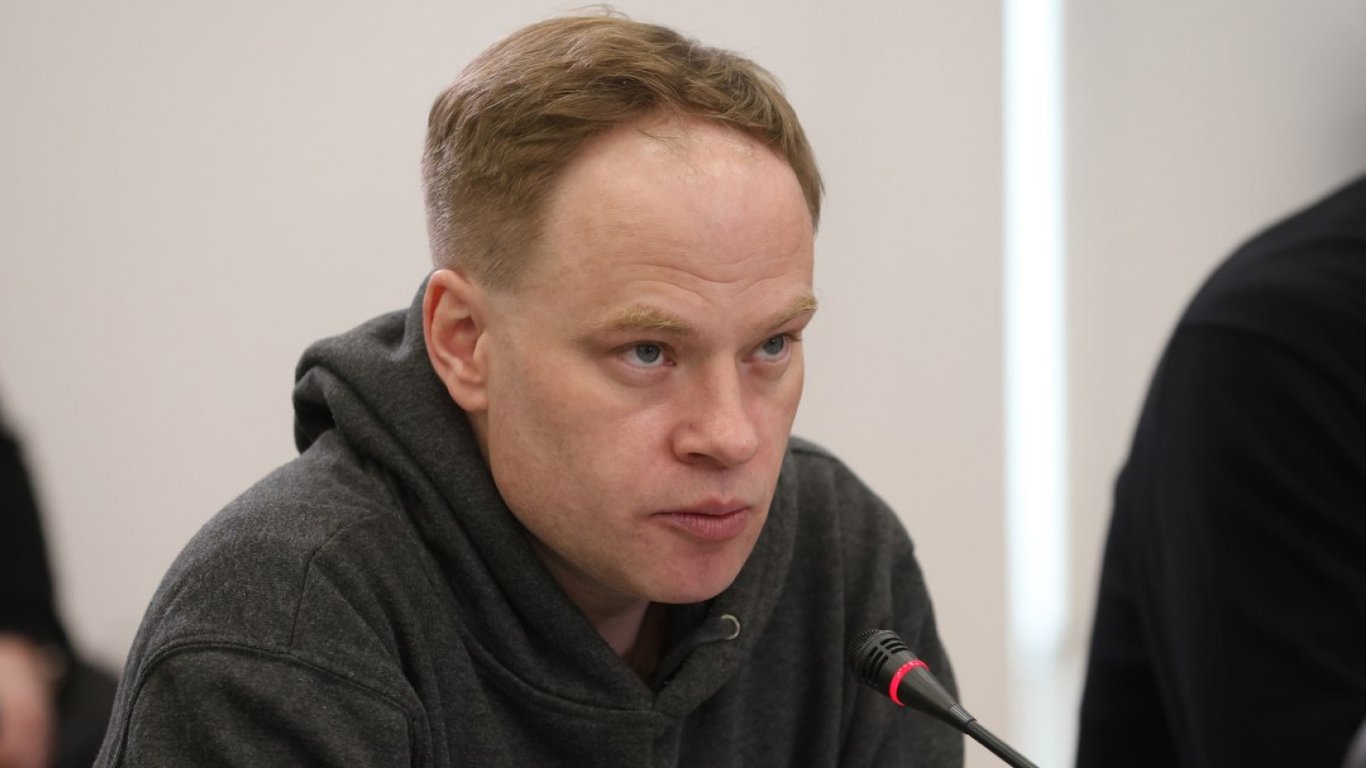
According to Novyny.live: Since the onset of the full-scale invasion, Ukraine has operated under a system of informal restrictions on the dissemination of sensitive military information. These limits stem from agreements between the media and the armed forces, designed to protect critical operational details. Yaroslav Yurchyshyn, head of the Ukrainian Parliament’s Committee on Freedom of Speech, has stated that restricting information that could endanger troops is a logical step during active combat. He noted, 'It makes sense that during hostilities—and even outside of direct conflict—this is classified information.'
'Logically, during military operations, and even outside of them, this is restricted information.' Yaroslav Yurchyshyn
Specifically, details about troop movements and the exact locations of missile strikes are not disclosed immediately. This helps prevent potential threats to military units and ensures their safety. Journalists often consult with military officials before publishing material that may be of public interest but could also compromise security. As Yurchyshyn explained, 'This system often works proactively.'
Why These Restrictions Matter Now
The system has become especially relevant since the start of the full-scale war, which has claimed the lives of over 100 media workers. Ukraine also commemorates Military Journalist Day in February, highlighting the crucial role reporters play in covering front-line events while navigating these constraints. In modern warfare, safeguarding sensitive information is vital for protecting troops and supporting the operations of the Ukrainian Armed Forces.
This framework for limiting information during wartime serves as a key tool for maintaining both military security and a stable information environment. Through collaboration with the media, the military seeks to strike a balance between the public’s right to know and the need to protect strategic data.
- The importance of responsible reporting on front-line developments.
- The need to safeguard strategic information amid the new challenges of modern warfare.
Read also
- Constitutional Violations Alleged by Lawmaker Yurchyshyn in Ukraine’s Government Reshuffle
- Lawmaker Calls for Repeal of 'Lozovyi Amendments': What’s Blocking Ukraine’s Anti-Corruption Progress?
- Russian Propaganda Tool? What Ukraine’s Disinformation Center Found About ‘Masha and the Bear’
- Wartime Faith in Odesa Region: Nearly One in Three Distrust Other Religions
- Despite Treason Charges, Shufrych Returns to Parliamentary Committee Work
- Ukraine May Force Telegram to Disclose Its Ownership: What This Means for the Messaging App