Wartime Faith in Odesa Region: Nearly One in Three Distrust Other Religions.

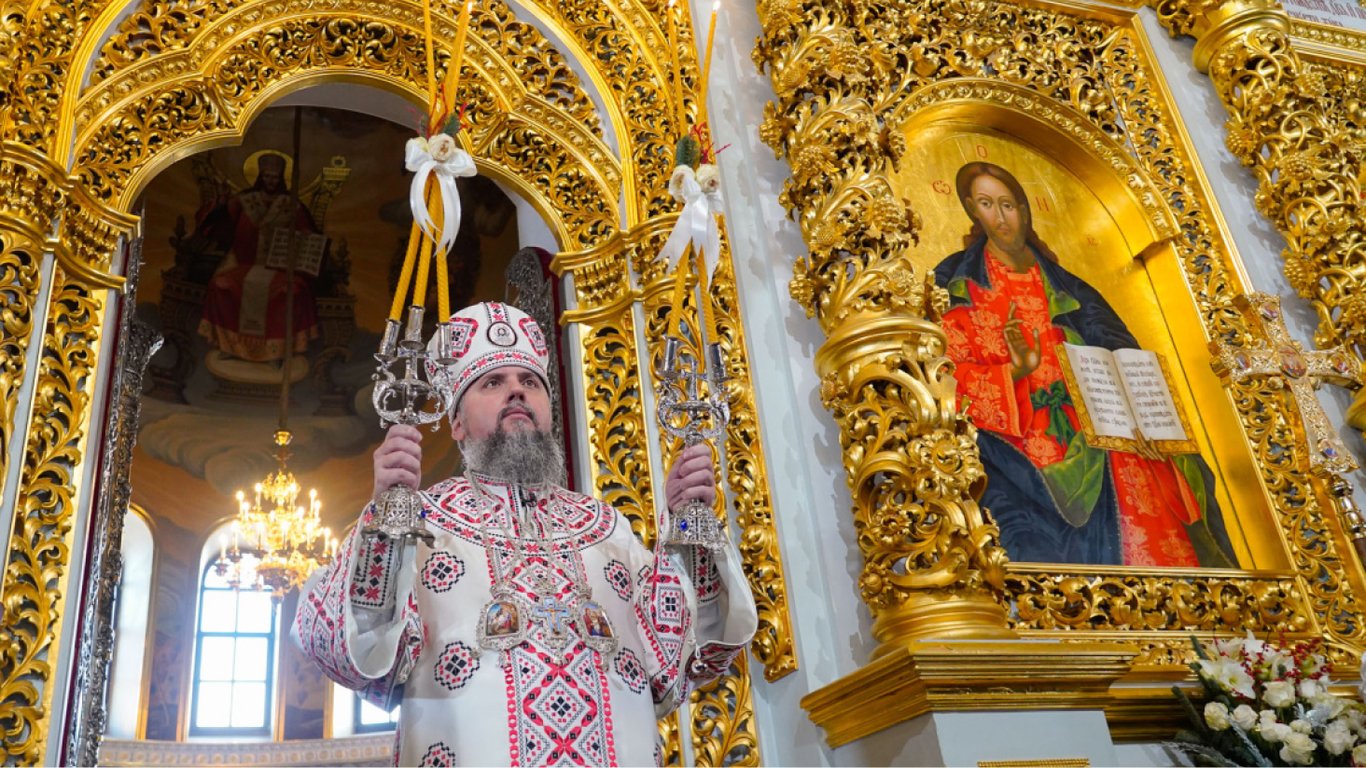
Survey Reveals Religious Dynamics in Odesa Oblast During Conflict
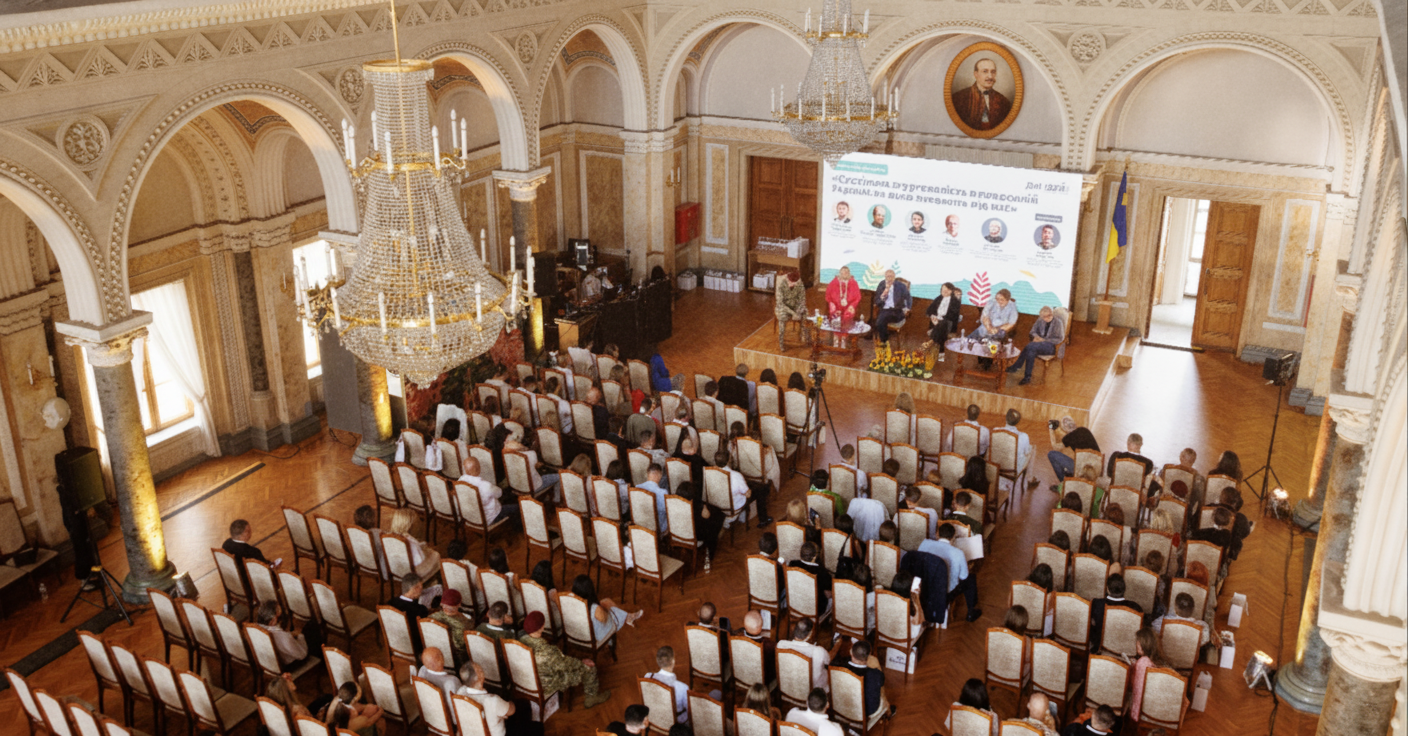
According to Novyny.live: A sociological study by the 'Rating' group, conducted in May 2026, examined how war has shaped religious life in Odesa Oblast. The survey, which polled 1,100 local residents, offers a comprehensive look at public attitudes toward religious institutions and their wartime roles. This research provides valuable insight into a region often seen as a cultural crossroads in southern Ukraine.
Key findings from the study include:
- 74% of Odesa Oblast residents believe in God;
- 31% of locals do not trust people of other faiths;
- 32% identify as Orthodox Christians but do not affiliate with any specific church;
- 17% support the Orthodox Church of Ukraine (OCU), while 11% back the Ukrainian Orthodox Church (UOC).
Trust in religious leaders shows a stark divide: 41% of respondents trust Metropolitan Epiphanius, head of the OCU, compared to just 6% who trust Patriarch Kirill of the Russian Orthodox Church. A significant majority—78%—believe the state should intervene when religious organizations break the law. Meanwhile, 65% rate the level of religious freedom in Ukraine as high.
On broader church-state issues, 55% support the creation of a single national church, and 60% believe the church should remain separate from the state. Despite diverse opinions, 89% of residents report never facing discrimination due to their religious beliefs.
Just as Odesa is part of Ukraine, so the south and north of Odesa region are part of Odesa. There is no difference—we are all united. — Oleksii Antypovych
These results highlight that religious attitudes in Odesa Oblast are consistent across different areas, underscoring a sense of unity amid war. According to Yaroslav Yurchyshyn, this cohesion is 'one of the key elements of our resilience.'
Social and Cultural Trends Shaping Public Sentiment
The study thus reveals how traditional values and views on church institutions play a crucial role in shaping public psychology during wartime. It also reflects current socio-cultural trends that could influence social cohesion in the region. With high levels of belief and a need for interfaith understanding, these sociological insights provide a foundation for continued dialogue between religious communities and state authorities, potentially fostering greater stability in Odesa Oblast.
Read also
- Lawmaker Calls for Repeal of 'Lozovyi Amendments': What’s Blocking Ukraine’s Anti-Corruption Progress?
- Russian Propaganda Tool? What Ukraine’s Disinformation Center Found About ‘Masha and the Bear’
- Despite Treason Charges, Shufrych Returns to Parliamentary Committee Work
- Ukraine May Force Telegram to Disclose Its Ownership: What This Means for the Messaging App
- No Ban on Telegram in Ukraine, but Anonymous Channel Owners Must Reveal Their Identity
- US Deploys 2,000 Marines as Trump Reports Breakthrough in Iran Negotiations