Japan's Bear Attacks Reach Deadly New High in 2025.

Escalating Bear Aggression in Japan
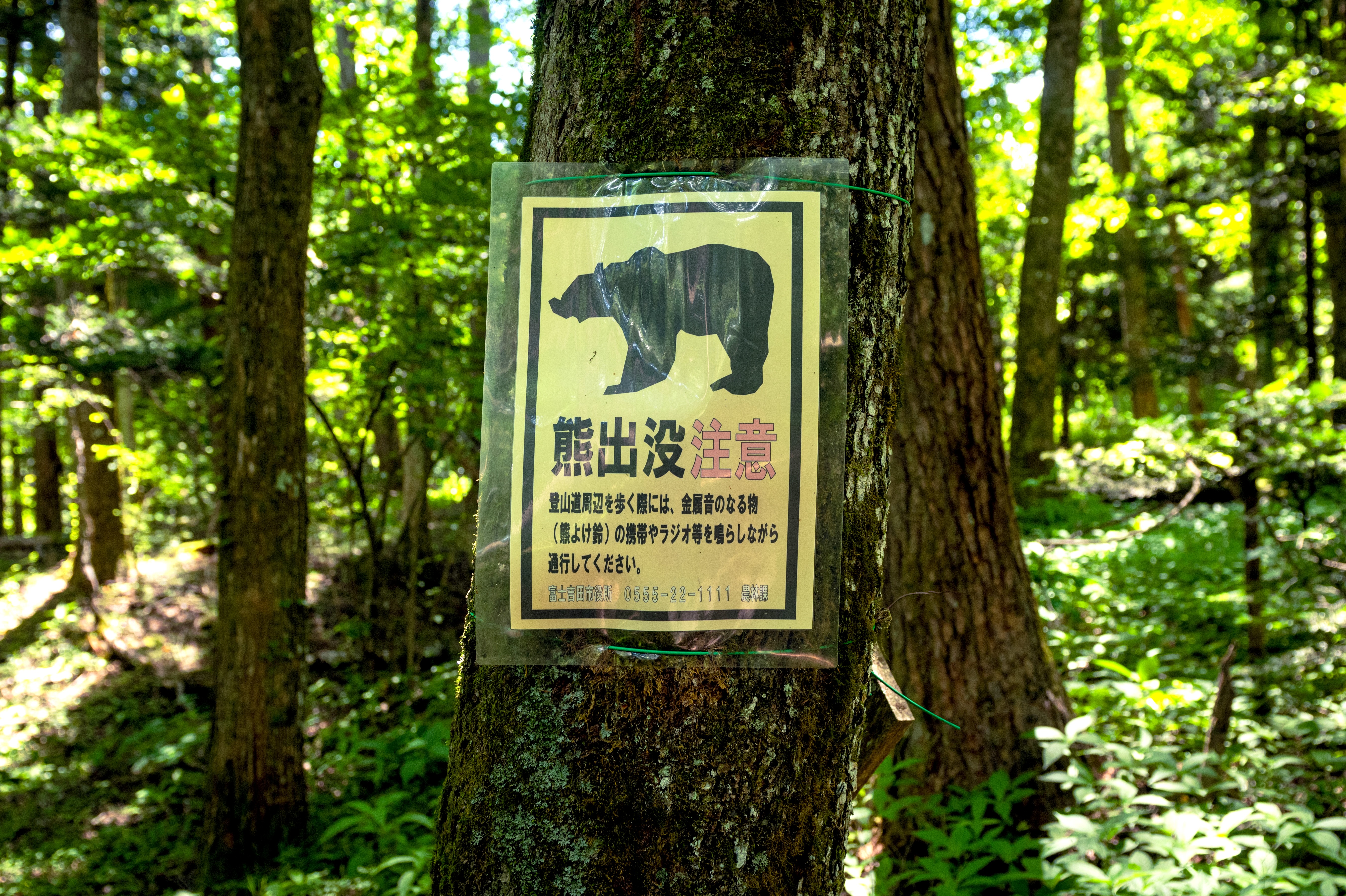
According to Vox - Загальний: Japan is experiencing a surge in aggressive bear encounters, resulting in a record number of casualties in 2025, with over a dozen fatalities and more than 200 people injured. This alarming trend is linked to climate change, which has disrupted the bears' natural food sources. While a previous record of six deaths was set in 2023, the new figures indicate a significant escalation of the threat. Such a sharp increase in fatal encounters is highly unusual for a developed nation like Japan.
Government Response and Consequences
In autumn 2025, the Japanese government deployed military personnel to assist in capturing bears in Akita Prefecture, underscoring the severity of the crisis and the need for urgent action. One tragic incident involved a man who was killed by a bear in Iwate Prefecture in October 2025 while foraging for mushrooms. This reflects a broader pattern of dangerous encounters as bears venture closer to human settlements.
Research suggests climate change is weakening winds that typically block moisture from the Pacific Ocean. This leads to increased cloud cover in northern Japan, which likely affects bear behavior and foraging patterns. The growing threat from bears is directly tied to these climatic shifts and forms part of a global rise in human-wildlife conflict.
As bears are forced to search for new food sources, their aggression poses a serious and growing danger to the public. The Japanese government faces the critical task of implementing measures to protect people while managing the region's wildlife population.
- The rise in bear aggression signals profound ecological changes within Japan.
- Climate change is directly influencing the behavior of wild animals.
- Conflicts between humans and wildlife can have severe consequences for public safety.
- Government mobilization highlights the urgency of the situation.
The crisis underscores the critical importance of balancing nature conservation with public safety in an era of climate change.
Read also
- Over the Past 24 Hours, Shelling in Kherson and a Drone Attack on a Minibus Have Left 3 Dead and 10 Wounded
- Driver of Crossover Tied to Military Wounded in Odesa Explosion
- Seven Killed, Dozens Wounded as Russian Forces Strike Five Ukrainian Regions
- Nearly 400 Drones Swarm Moscow Region, Igniting Fires at a Chekhov Factory and a Podolsk Warehouse
- Russian Missiles Sink Freighter Golden Leo, Killing 10 Crew Members
- Eight Dead in Russian Attacks Across Ukraine, Including a Nine-Year-Old in Chernihiv