Massive Traffic Jams at Poland Border: Officials Warn of Disruptions.

Border Situation in Ukraine
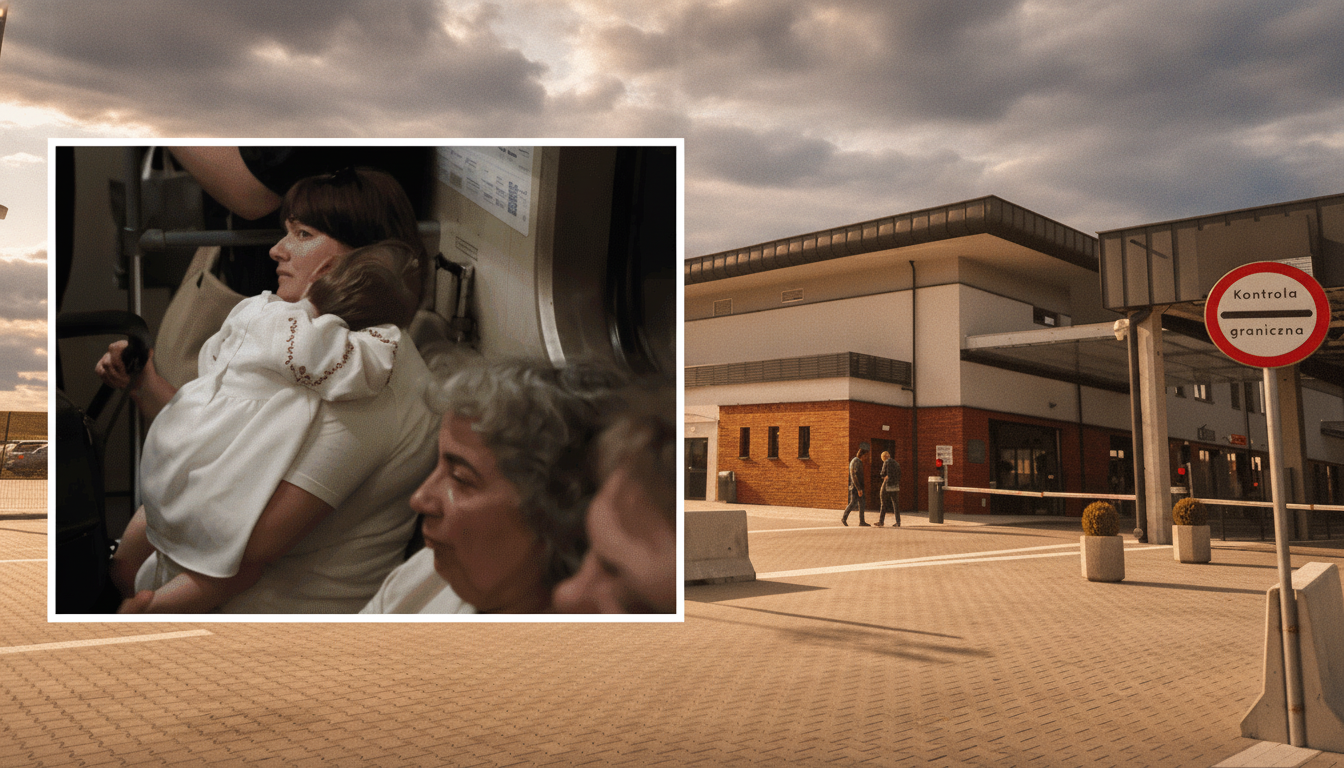
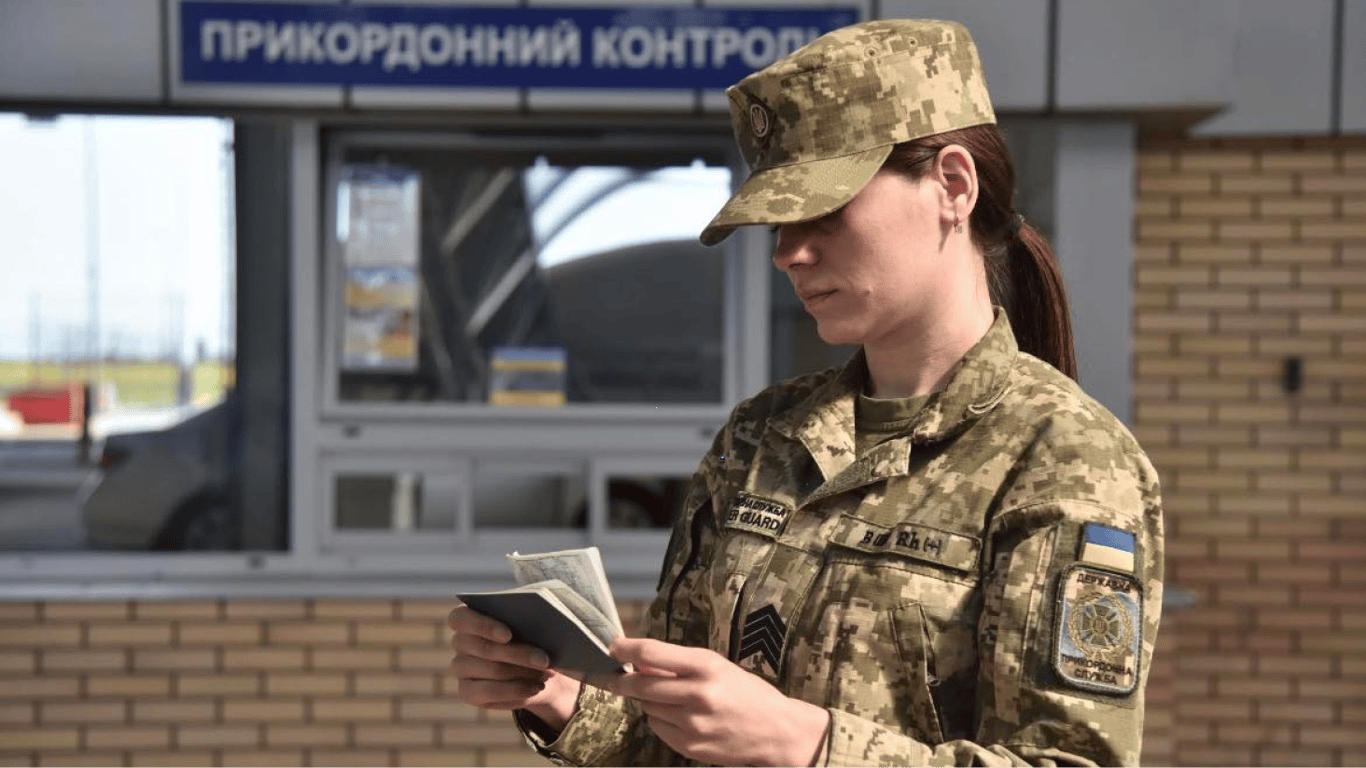
According to Novyny.live: As of 9:00 AM on April 1, 2023, several crossing points along Ukraine's border are experiencing long queues. The most significant congestion is at the entry into Poland, where drivers face extended waits to cross. Border guards have alerted travelers to potential delays, which could complicate vehicle processing.
Among the busiest checkpoints are 'Shehyni' and 'Krakivets', where substantial lines have formed, reflecting high migration activity across the Ukrainian-Polish border. Officials attribute the holdups partly to electrical system malfunctions that slow down vehicle inspections.
Conditions at Other Borders
Meanwhile, border crossings with Slovakia, Hungary, Romania, and Moldova are also strained. However, the longest queues remain at the Polish entry points. Drivers planning trips through these checkpoints should account for possible delays and adjust their routes accordingly.
Citizens intending to travel abroad should be prepared for lengthy waiting periods. Border authorities recommend checking real-time updates on border conditions and factoring in extra time for crossing formalities.
The situation at the Ukrainian-Polish border mirrors a broader trend of high migration in the region. Electrical issues and long lines highlight the urgent need for infrastructure upgrades at these checkpoints.
Since delays can disrupt travel plans, it is crucial for individuals to stay informed about potential challenges and remain prepared.
Read also
- Germany Overhauls Benefits for Ukrainian Refugees: Key Changes to Payments and Job Rules
- Who Can Leave Ukraine During Martial Law: A Guide to Military Registration and Border Crossings
- EU Weighs Changes to Temporary Protection for Ukrainians: What’s on the Table
- Free Housing for Ukrainians in Poland to Be Restricted Starting July 1, 2026: Who Will Be Affected
- Who Can Leave Ukraine: New Border Rules for Citizens Under 23
- UK Refugees May Have to Repay Up to £10,000 — What It Means for Ukrainians