UK Accuses Russian GRU of Using Ukrainian-Synthesized Toxin in Navalny Poisoning.

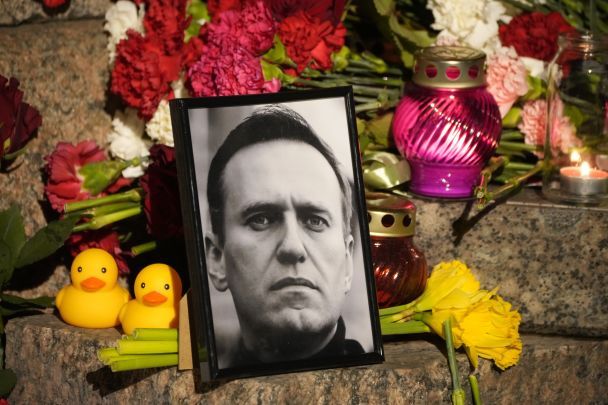
The Poisoning of Alexei Navalny
According to TSN.ua: On February 14, the UK Foreign Office issued a statement asserting that Russian opposition figure Alexei Navalny was poisoned with epibatidine. The statement alleges the Russian Federation's Main Intelligence Directorate (GRU) was responsible for the attack. According to the UK's information, the toxin was developed by scientists from Ukraine, who synthesized it in a laboratory that was shut down in November 2022.
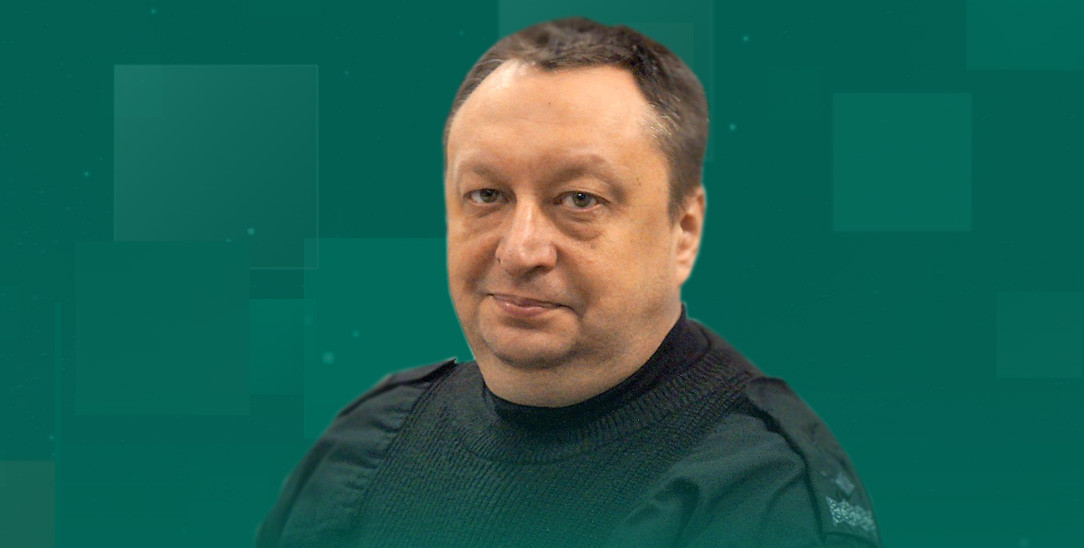
Epibatidine is a toxin derived from poison dart frogs native to South America. A 2015 scientific paper described the synthesis of structural analogs of this toxin. The research group involved in this work consisted of seven individuals. The group was led by Igor Babkin, born April 19, 1978. Other participants included Sergei Galan (born June 13, 1970) and Georgiy Nazarov (born May 9, 1971). This incident is part of a long pattern of alleged state-sponsored poisonings targeting critics of the Kremlin.
The Laboratory and Research Participants
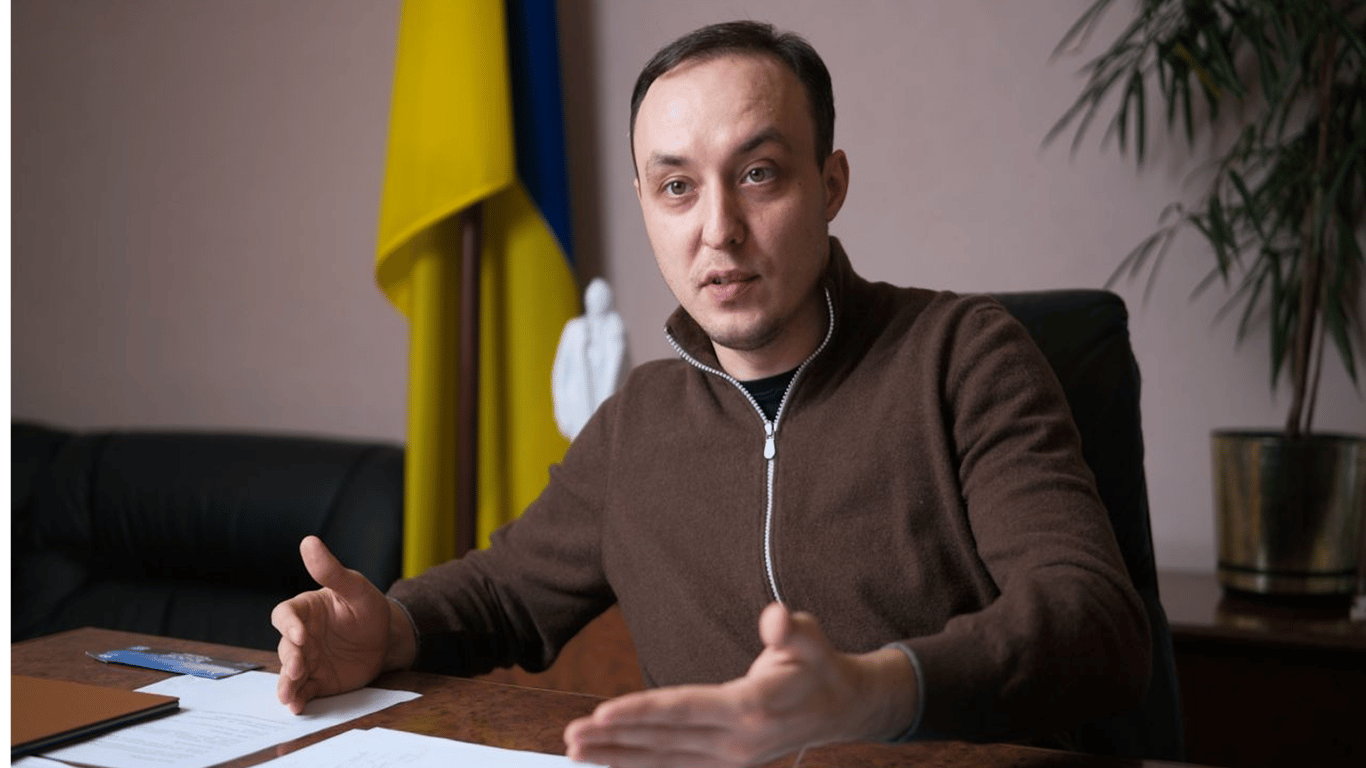
The laboratory where the poison was manufactured was founded in 2003 and was located at 86 Vernadsky Avenue in Moscow. It was liquidated in late 2022. In a separate incident on February 6, an attempt was made on the life of Lieutenant General Vladimir Alexeyev in Moscow. Ukrainian representative Andriy Sybiha stated that Kyiv had no connection to that attack.
The full list of scientists who worked on synthesizing the toxin is as follows:
- Igor Yuriyovych Babkin
- Serhiy Yevhenovych Galan
- Oleksiy Yuriyovych Lamanov
- Georgiy Valeriyovych Nazarov
- Olga Petrivna Yudina
- Mykhailo Vasylyovych Hutsaliuk
- Oleksiy Vadymovych Aksyonov
This information indicates the complex international dimensions of the Navalny poisoning case, involving actors from multiple countries.
Recent events underscore the persistent tension in international relations, particularly between Russia and the West. The UK's statement could lead to new diplomatic conflicts and a further escalation of security concerns. It is important to note that the poisoning of Navalny has become a global symbol of the struggle against corruption and authoritarianism in Russia, an event with potential long-term consequences for the political landscape of the country and the wider region.
Read also
- For the First Time Ever: Russian Vessel Carrying Grain from Occupied Lands to Be Handed Over to Ukraine
- Nuclear Weapons Use by 2050 Predicted by Russian Strategists: Report Insights
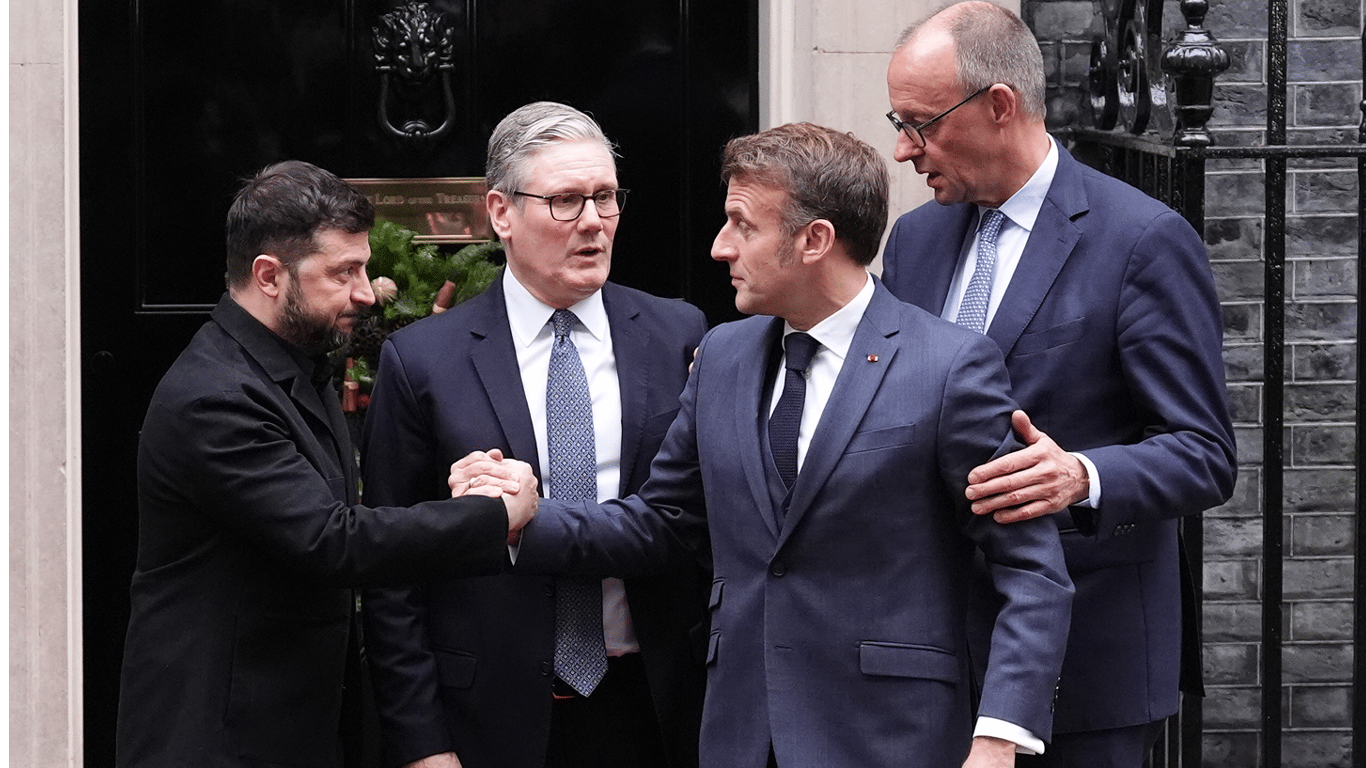
- London Summit: Zelenskyy and European Leaders Map Out Negotiation Strategy with Russia
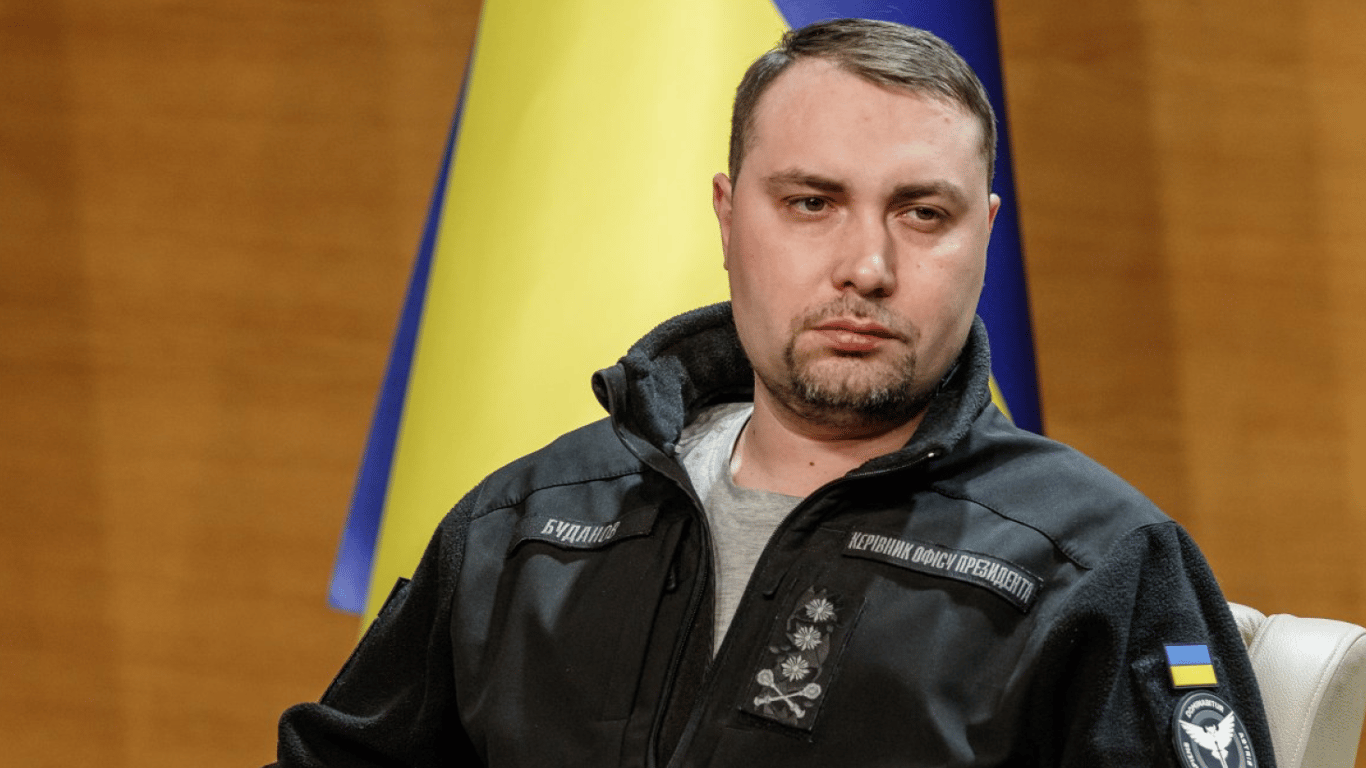
- Budanov Calls Kakhovka Dam Destruction an Act of Ecocide That Demands Accountability
- Virginia Supreme Court Overturns Redistricting Plan—What Comes Next
- Kyrylo Budanov to Lead New Presidential Advisory Council: Its Mission Explained