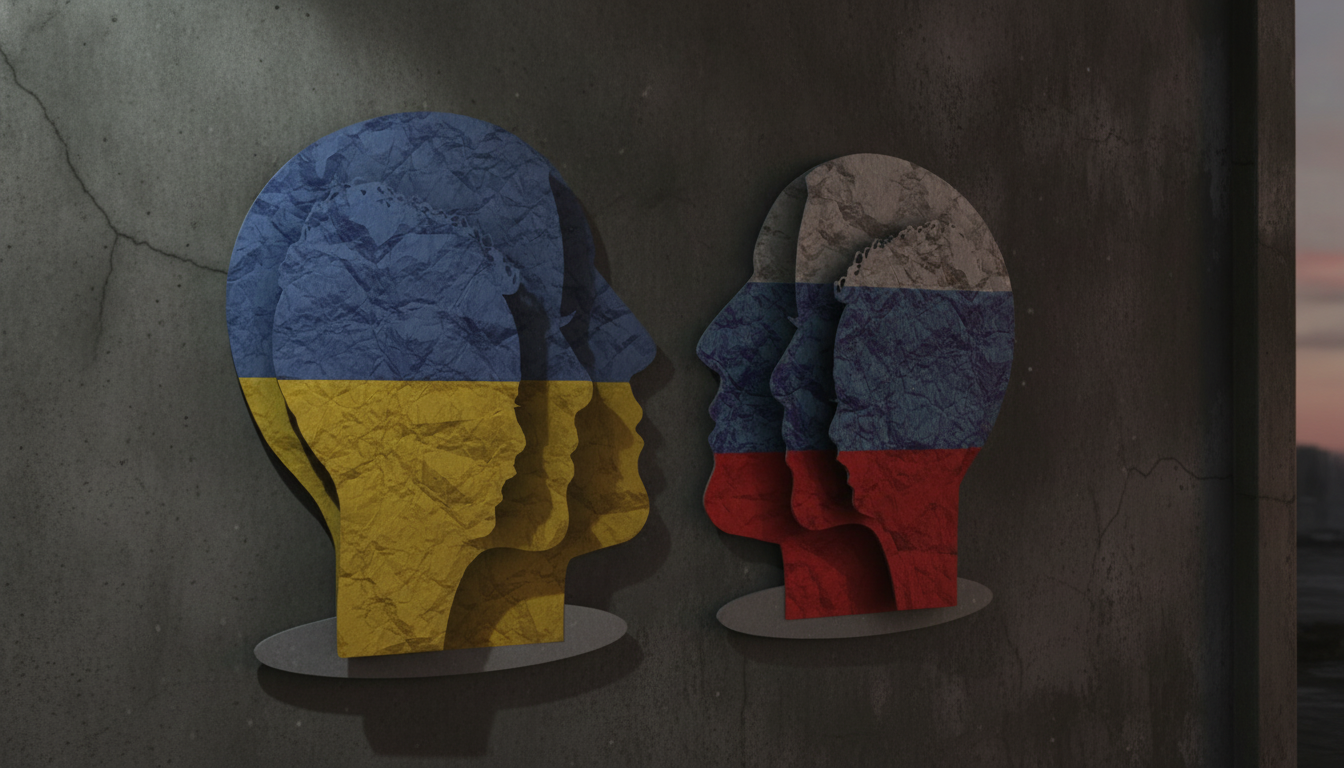
Hungary's Upcoming Election: Potential Shifts in Policy Toward Ukraine.

Hungary's Political Landscape Ahead of the Vote
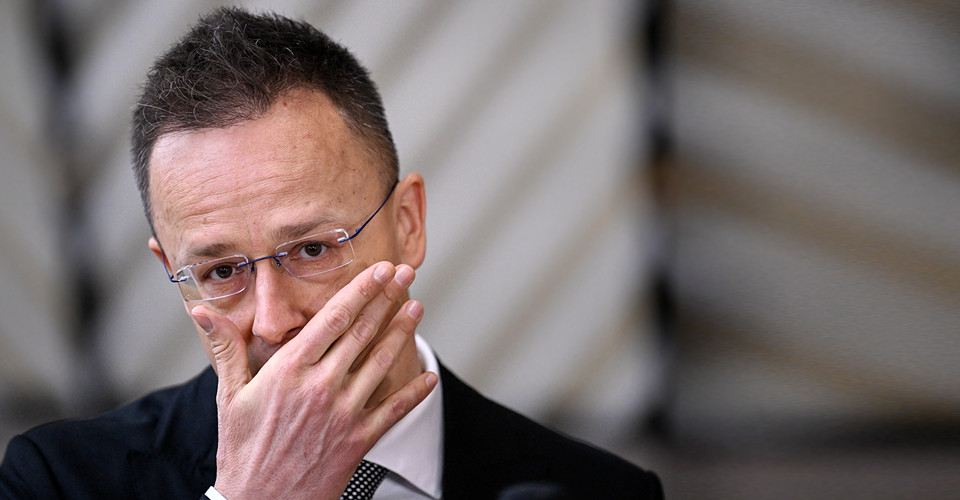
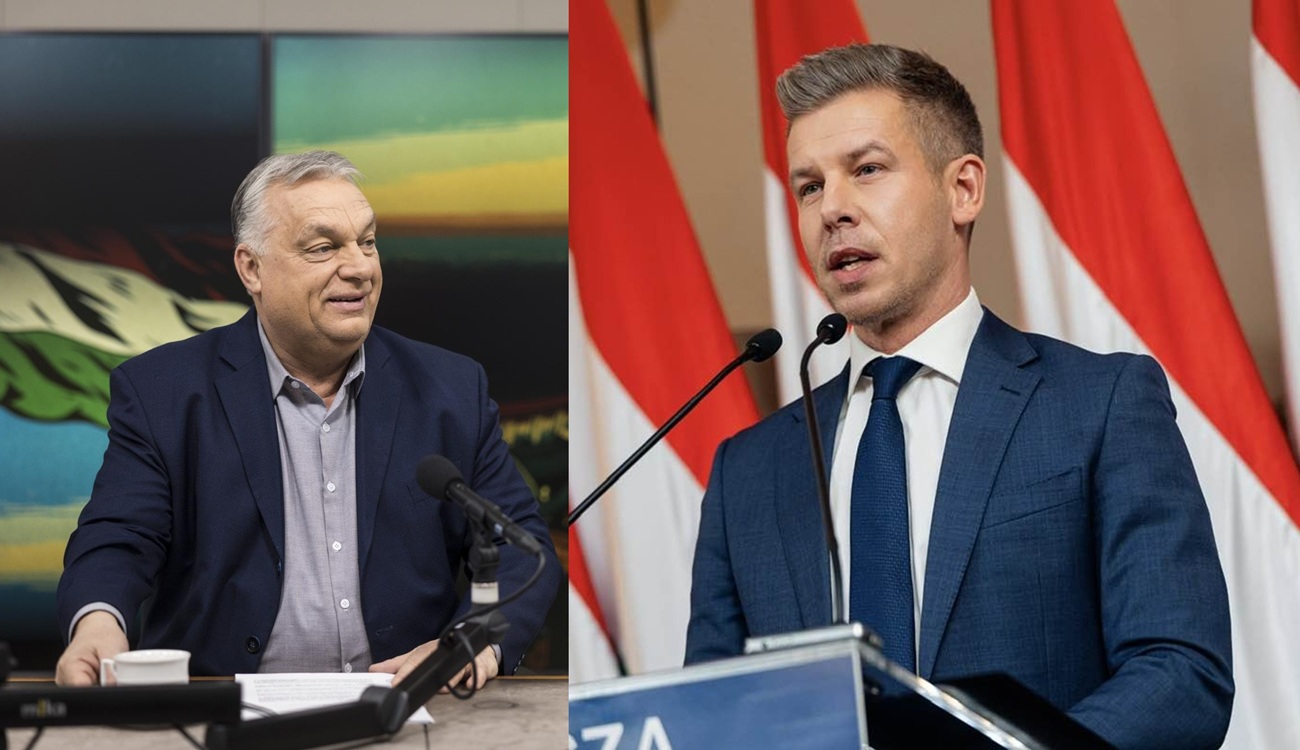
According to UATV: With parliamentary elections scheduled for April 12, Hungarian Prime Minister Viktor Orbán has intensified his anti-European Union and anti-Ukrainian rhetoric. Polls indicate his ruling Fidesz party is trailing the opposition Tisza party. Recent data shows Fidesz has the support of only 28% of respondents, while Tisza leads with 35%, a gap of 7 percentage points among the general population.
Economic Woes and Orbán's Narrative
The country's political climate is strained by an economic downturn and record-high unemployment. In response, Viktor Orbán has sought to blame Ukraine and the European Union for Hungary's domestic economic problems. He has repeatedly asserted in his speeches that any EU military presence in Ukraine without Russia's consent could have severe consequences.
“If even one EU soldier appears on Ukrainian territory without Russia's agreement, it will mean we have entered a war” - Viktor Orbán
Amid this domestic political tension, some analysts believe the Hungarian election's outcome could significantly impact the country's relations with Ukraine. In contrast, opposition figures like Péter Magyar have declared their commitment to European integration.
“Hungarian businesses will once again gain access to EU opportunities, and European integration will become attainable for all” - Péter Magyar
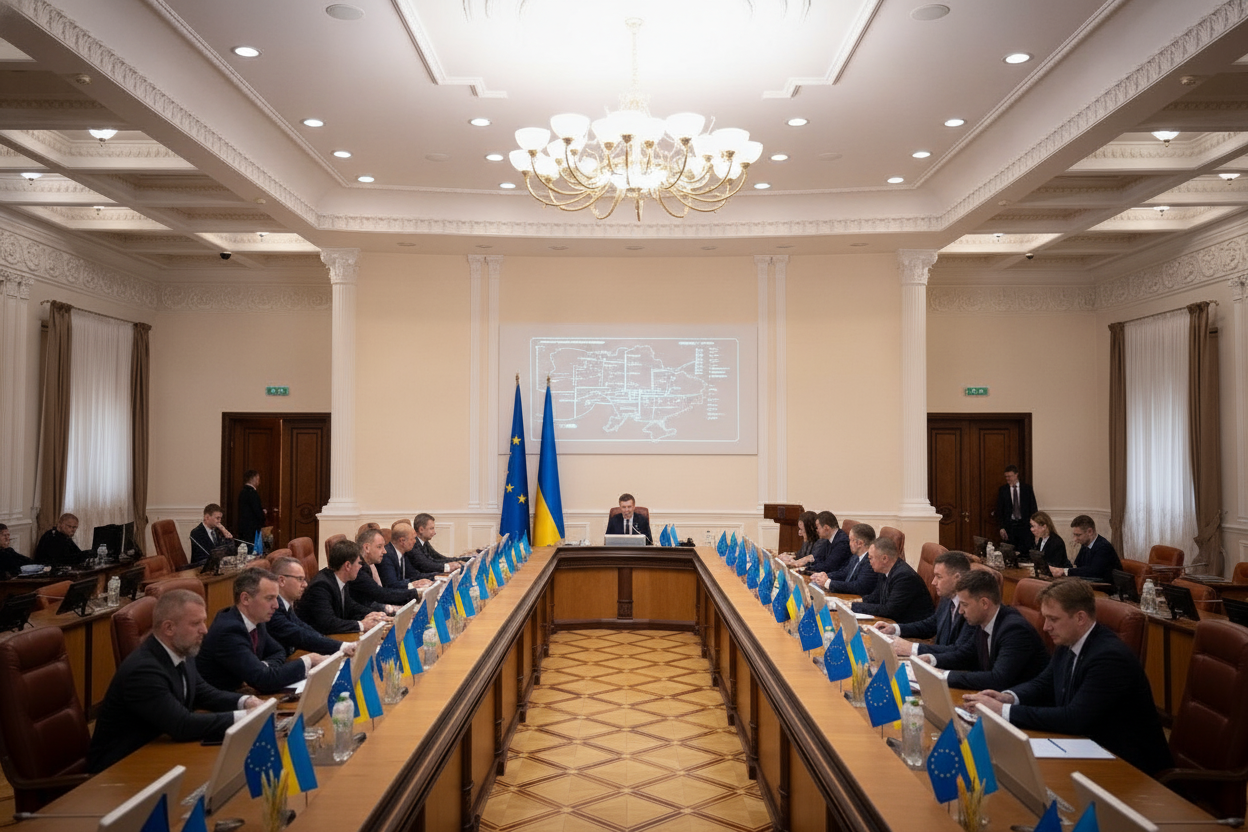
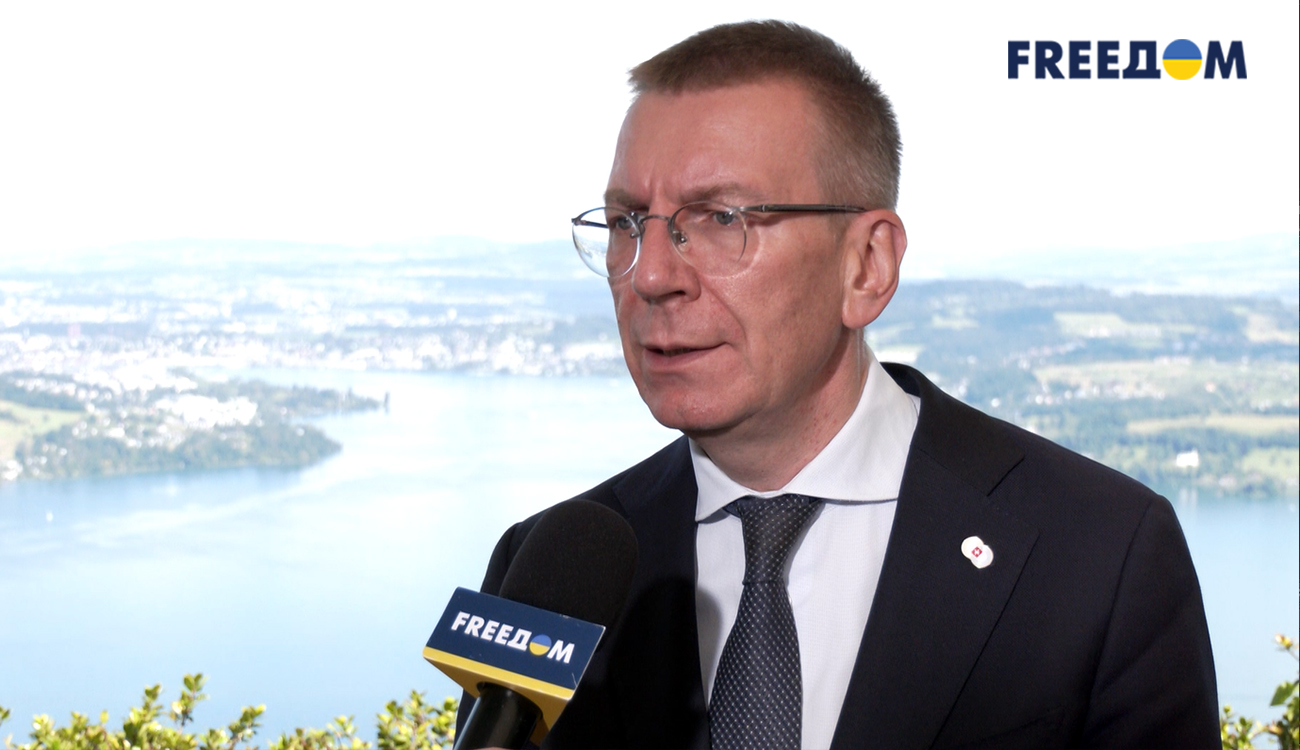
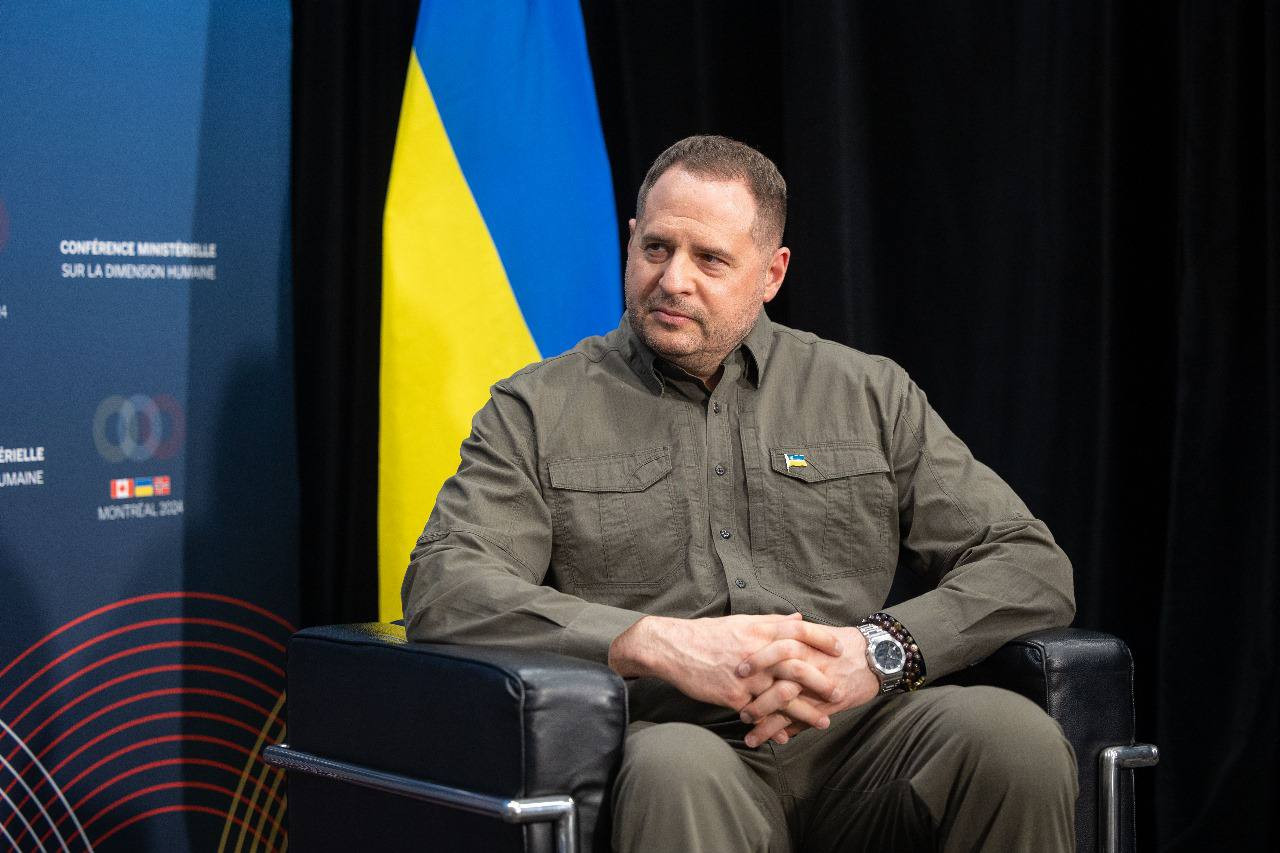
Consequently, the election results are poised to determine Hungary's future political course regarding both Ukraine and the European Union. Hungary, a member of both NATO and the EU, has often been at odds with its allies over its stance on Russia and Ukraine. The approaching election reflects not only internal political shifts but also the potential for a substantial change in the nation's foreign policy, particularly toward Ukraine and the EU. Given the current economic difficulties and rising unemployment, Orbán's rhetoric may be an attempt to divert voter attention from domestic issues by scapegoating external actors. Meanwhile, the opposition's platform suggests a possible realignment in foreign policy, which could lead to improved relations with Ukraine and a reinvigorated push for European integration.
Read also
- Hungary Moves to Cap Lawmaker Terms: Madjar Pushes 17th Constitutional Amendment
- Hungary Blocks Ukraine’s EU Accession Again—Key Milestone Delayed
- Hungary Opposes Fast-Track EU Membership for Ukraine: Key Details Emerge
- Orban Warns EU Against Rushing Ukraine Talks — Here’s What’s Wrong With the Negotiation Clusters
- EU Greenlights Accession Talks with Ukraine After Hungary's New Prime Minister Drops Veto
- Despite Election Defeat, Orban Retains Fidesz Leadership: Party Congress Decision