Spring Warmth Boosts EV Range by Up to 30%: What This Means for the Electric Vehicle Market.

How Rising Spring Temperatures Improve Electric Car Performance
According to Novyny.live: As temperatures climb above 15°C, electric vehicles see a 20-30% increase in driving range, with some models experiencing gains as high as 40%. This seasonal shift makes EVs more practical and cost-effective during warmer months, offering drivers a significant boost in efficiency without any hardware changes.
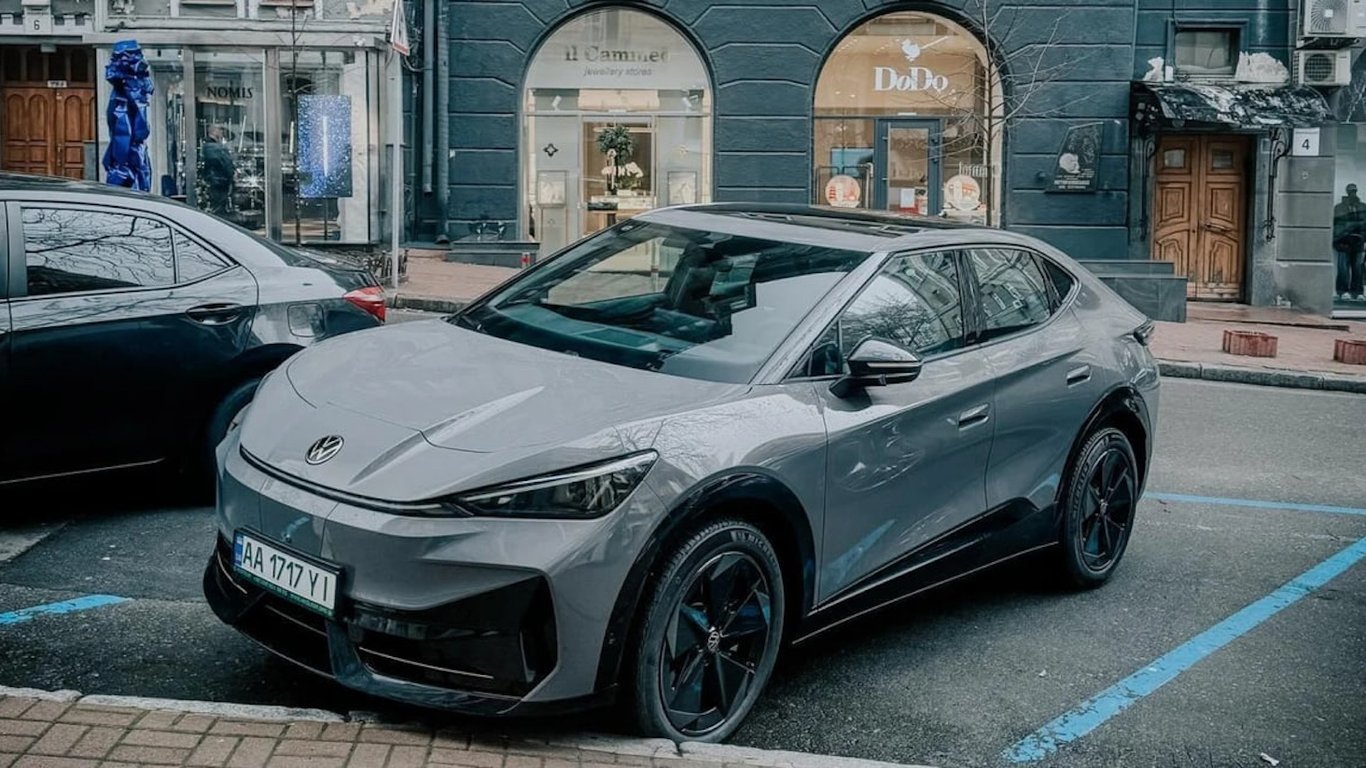
Winter conditions take a heavy toll on EV batteries. Heating the cabin and warming the battery pack consumes between 5 and 8 kWh per hour, sharply reducing overall energy efficiency. But once the mercury rises above 15°C, energy used for thermal management drops to nearly zero. Looking ahead to 2026, next-generation thermal systems—already in development for the Volkswagen ID.Unyx and BYD Sea Lion—promise to further reduce this overhead.
Advantages of Emerging Thermal Technologies
Modern heat pumps, which will require only 0.5–1 kW to maintain a comfortable cabin environment, are set to make EVs even more efficient. Warmer air also reduces aerodynamic drag, adding another 2–3% to overall vehicle efficiency.
At temperatures above 15°C, batteries can accept maximum charging current without needing preheating, further boosting performance. This means that proper use of electric vehicles during spring warming can significantly enhance their efficiency and lower energy costs for drivers.
In short, spring warmth opens up new possibilities for EV owners, allowing them to get more out of their vehicles during the warmer season. With cutting-edge thermal systems arriving in the coming years, we can expect even greater efficiency gains—potentially accelerating the adoption of electric transport and reducing its environmental footprint.
Read also
- Speed Record Set by Bombardier Global 8000: Los Angeles to Farnborough in Just 8 Hours 46 Minutes
- A New Augmented Reality Platform Lets You Read and Build 3D Comics
- How Artificial Intelligence Is Unlocking Billions in Real Estate Value
- Ukraine’s Air Defense Gets a Boost: New 'Hot Dog' Drone Takes Down Over 300 Targets
- Windows That Generate Power Even at Night: A New Solar Innovation
- GE Aerospace’s Hybrid-Electric Aircraft Reaches 30,000 Feet in Key Test Flight