Pashinyan’s Party Secures Nearly 50% of the Vote in Armenian Elections.

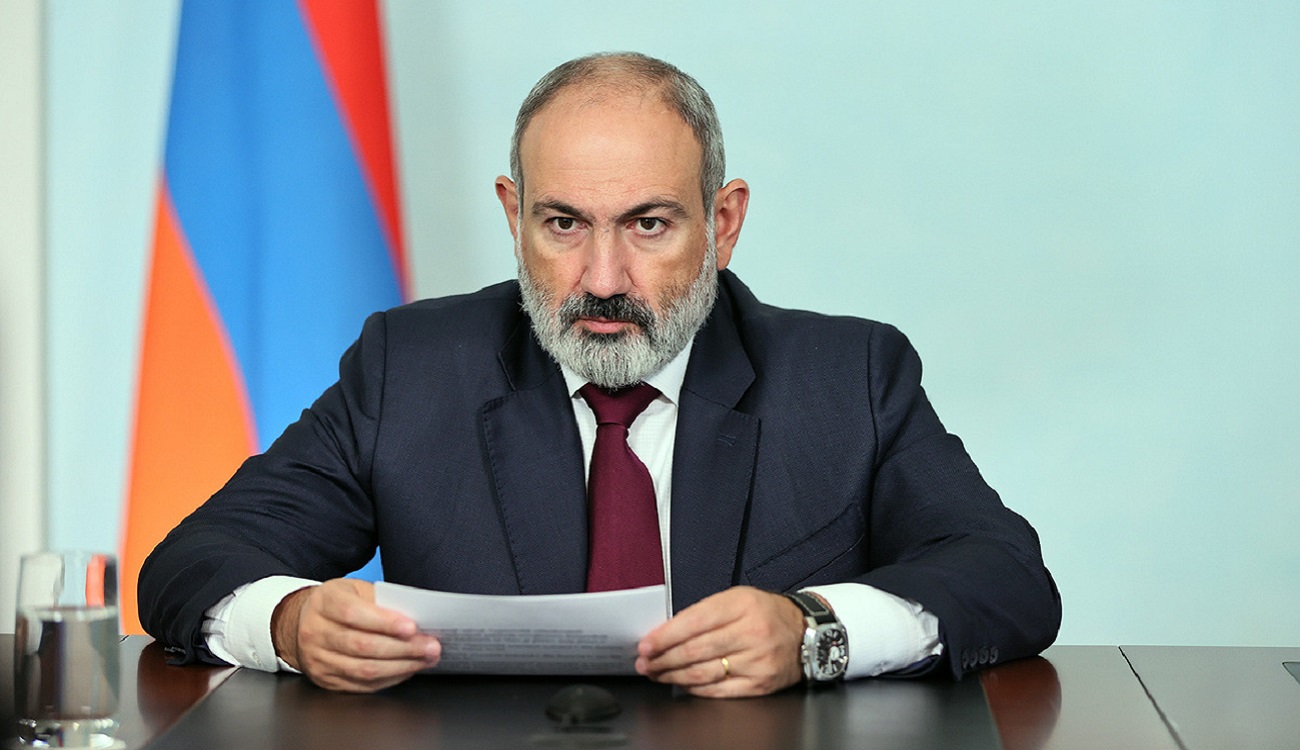
Armenia’s 2023 Parliamentary Elections: A Turning Point
According to UATV: Held on June 7, 2023, Armenia’s parliamentary elections resulted in a decisive win for the ruling ‘Civil Contract’ party, led by Prime Minister Nikol Pashinyan. With 49.81% of the vote, the party maintained its stronghold on the country’s political landscape. Voter turnout reached 58.97%—the highest recorded since 2017—with approximately 1.5 million citizens casting ballots. Over 727,000 of those votes went to Pashinyan’s party, underscoring its continued public support.
Other political forces provided the main opposition:
- The ‘Strong Armenia’ bloc garnered around 23% of the vote;
- The ‘Armenia Alliance’ secured nearly 10%;
- The ‘Prosperous Armenia’ party received about 4%.
These figures highlight a competitive electoral environment, reflecting active political contestation.
“We will analyze the processes occurring during this period,” said Nikol Pashinyan.
Commenting on the outcome, Prime Minister Pashinyan stressed the need for political transformation, stating: “The three-headed party of war and its accompanying criminal-oligarchic system must be eradicated from the Republic of Armenia.”
Analysts assess Pashinyan’s trajectory as one that reaffirms Armenia’s aspirations for Western integration. However, some note that “Kremlin instruments in Armenia remain enormous,” suggesting that the country’s course will likely focus on strengthening ties with the European Union while navigating persistent Russian influence.
Overall, the results of Armenia’s parliamentary elections signal shifts in the political landscape that could shape the nation’s future and foreign policy direction.
Outlook for Political Change
These elections underscore evolving dynamics in Armenia’s political arena, with potential implications for the country’s development. By retaining power, Pashinyan is positioned to advance his political agenda and continue pursuing deeper integration with Western institutions, despite challenges linked to Russia’s influence. The key question remains how these political shifts will affect Armenia’s internal stability and international relationships amid a complex geopolitical climate.
Read also
- Russia Counts 20 Friendly African States, but Just 8 Support Ukraine
- New Details on Interceptor Drones Emerge After U.S. NATO Ambassador Visits Ukrainian National Guard
- Summit with EU Postponed as UK Gets New Prime Minister; Minister Drafts Fresh Business Deals
- Next Year Set to Deliver First Milestones as Ukraine Partners in Europe’s FREYJA Missile Defense Project
- Greece's Blockade of the 21st Russia Sanctions Package Forces EU to Rethink Strategy with Thematic Groups
- New UK-Ukraine agreement on joint weapons manufacturing: implications for regional defense