Hungary’s Election Gap Widens Between Orbán and the Opposition.

Hungary’s 2023 Parliamentary Elections
According to UATV: Hungary’s upcoming elections in April 2023 could spell defeat for Prime Minister Viktor Orbán’s ruling Fidesz party. Recent polling data shows a growing divide between Fidesz and the opposition Tisza party, a shift that may significantly alter the outcome at the ballot box. This electoral race is drawing intense scrutiny as it unfolds against a backdrop of rising public discontent.
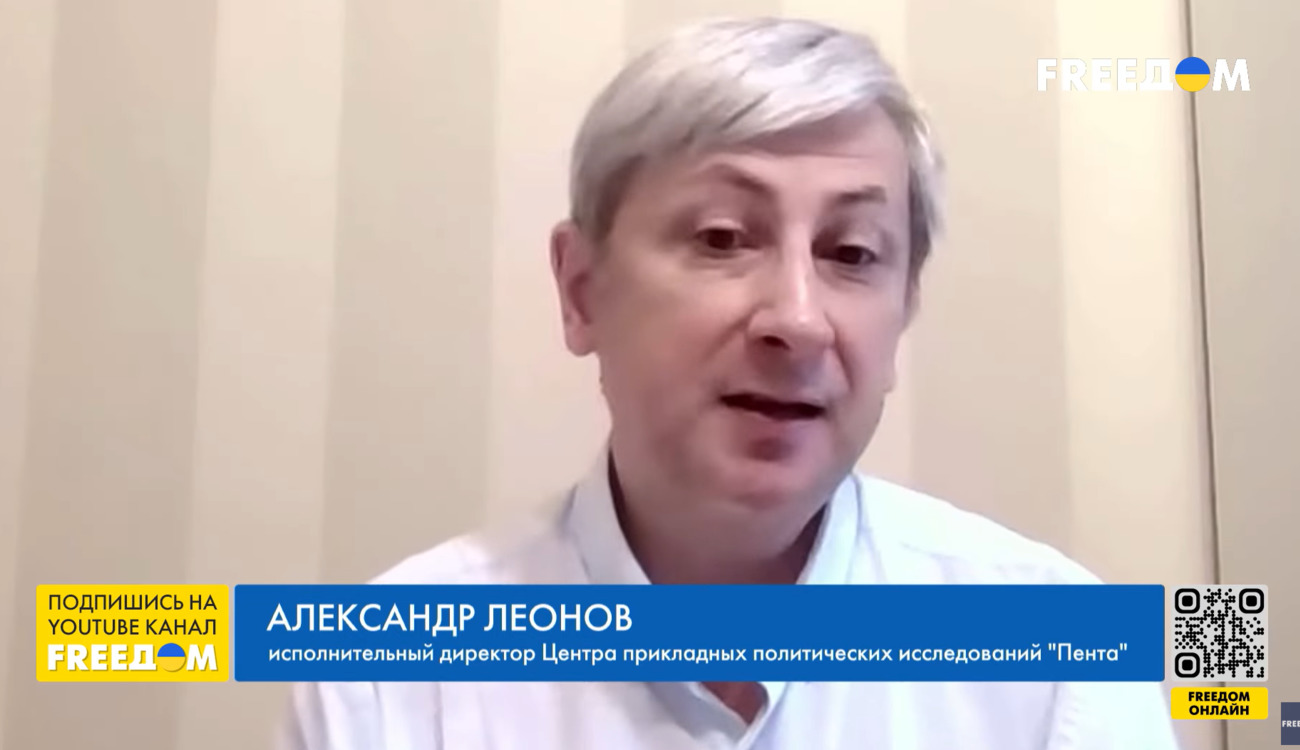
Campaign activity has intensified as the election draws near. On March 27, 2023, Orbán held a campaign rally in the city of Győr, which was disrupted by a protest—a clear sign of mounting societal tensions and potential voter dissatisfaction. The situation is becoming increasingly difficult for Fidesz. According to expert Alexander Leonov,
“the gap between supporters of Fidesz and Tisza is indeed growing, and we are talking about a serious advantage.”
Challenges Facing Orbán
Furthermore, analysts note that Viktor Orbán’s chances of remaining in power are ‘minimal, though various options exist that he might pursue to hold on.’ Among the key issues he faces are allegations of ties to Russia. Leonov points out,
“when people say Orbán is a Russian influence agent and cite many perfectly valid examples, the most striking is his year-long blockade of Sweden’s NATO accession.”
As the elections approach, the political landscape is marked not only by heightened competition but also by deepening internal societal divisions. Hungarian voters may witness significant shifts in the country’s political order, changes that could have lasting consequences for the nation’s future.
The situation in Hungary reflects broader trends in European politics, where right-wing parties face growing challenges from opposition forces. This election could serve as a critical test of Orbán’s grip on power and shape Hungary’s political direction, particularly regarding its relationships with the European Union and NATO. The results may also influence the country’s future policies on external threats, such as Russia’s impact on regional affairs.
Read also
- Polish President Nawrocki Surpasses Holownia in Polls: Inside the Controversy Over Stripping Zelensky of an Order
- Germany’s Justice Minister Arrives in Kyiv with a New Cooperation Program Aimed at EU Integration
- Moldovan Citizens Get Faster Track to Ukrainian Citizenship: Here’s What’s Changing
- 160 Ukrainian Defenders Freed from Captivity: Who Was Released in the Latest Exchange
- Former Putin Administration Chief Ivanov Removed from Russia’s Security Council: Key Details
- Russia’s Oil Infrastructure Hit Hard, NATO Chief Acknowledges Ukraine’s Strikes