Why Egypt's Tourist Hotspots Remain Open Despite Middle East Tensions.

Middle East Security Context
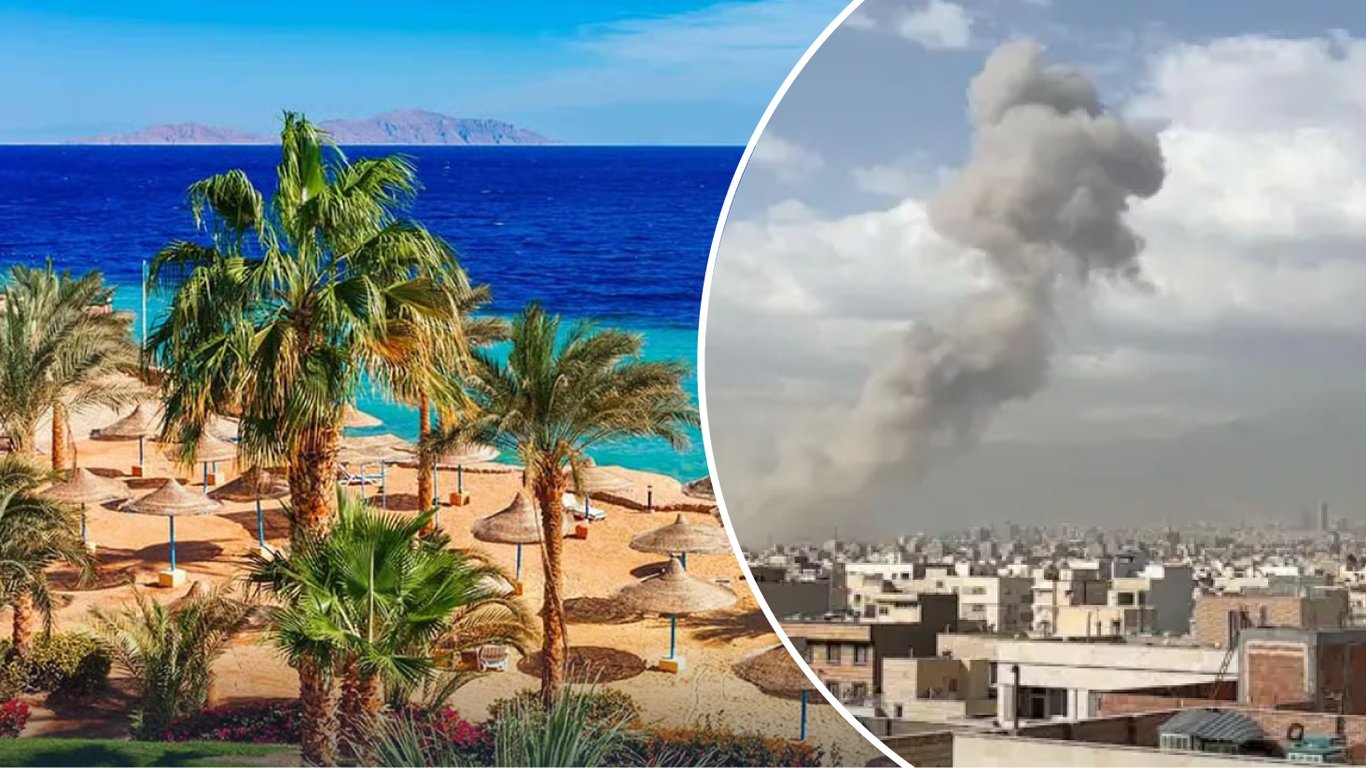
According to Novyny.live: Recent explosions in Jerusalem, Dubai, Abu Dhabi, Doha, and Manama signal a sharp escalation of conflict in the region. Despite these heightened risks, the Ministry of Foreign Affairs has not issued travel warnings against visiting Egypt's primary tourist destinations, which include:
- Cairo
- Luxor
- Aswan
- Alexandria
- Sharm el-Sheikh
- Hurghada
Travelers are, however, advised to steer clear of areas containing security or military installations. Specific zones to avoid are:
- El Salloum
- North Sinai
- Ismailia Governorate
- The Western part of the Nile Valley
- The Hala'ib Triangle
- Bir Tawil Trapezoid
Additionally, planning trips within 20 km of the border between Egypt, Libya, and North Sinai is not recommended. Egypt's tourism sector is a vital pillar of its economy, which likely influences the government's cautious approach to advisories.
While flights from Egypt's major airports continue to operate, many are experiencing delays or cancellations. Emirates airline has suspended all flights to and from Dubai. This has caused concern among travelers, though the Egyptian government maintains an optimistic stance regarding safety in popular tourist areas.
Current Assessment
The situation across the Middle East remains tense, with the recent blasts indicating a potential for further conflict escalation. Nevertheless, Egypt remains open to tourists, with officials urging visitors to exercise caution and avoid designated danger zones. The government's assurances of safety in tourist hubs may reflect an intent to protect an economy heavily reliant on tourism revenue, even as regional instability persists.
Read also
- Life in Croatia Through a Ukrainian Blogger’s Eyes: High Costs and Tough Immigration Rules
- Best Offline Maps for Drivers and Cyclists: A Guide to Navigation Apps
- Wildfires Rage Through Southern Spain: At Least 12 Dead as Europe Battles Extreme Heat
- Egypt Bars The Scarlet Lady Cruise Ship, Forcing an Unexpected Route Change
- South Korea Introduces Remote Work Visa with New Residency Rules
- Moving to Romania? A Ukrainian Blogger Shares Key Advice for Relocation