Russian Attack Effectiveness Fell 20–40% After Starlink Cutoff, Says General.

Starlink Access Revoked for Russian Forces
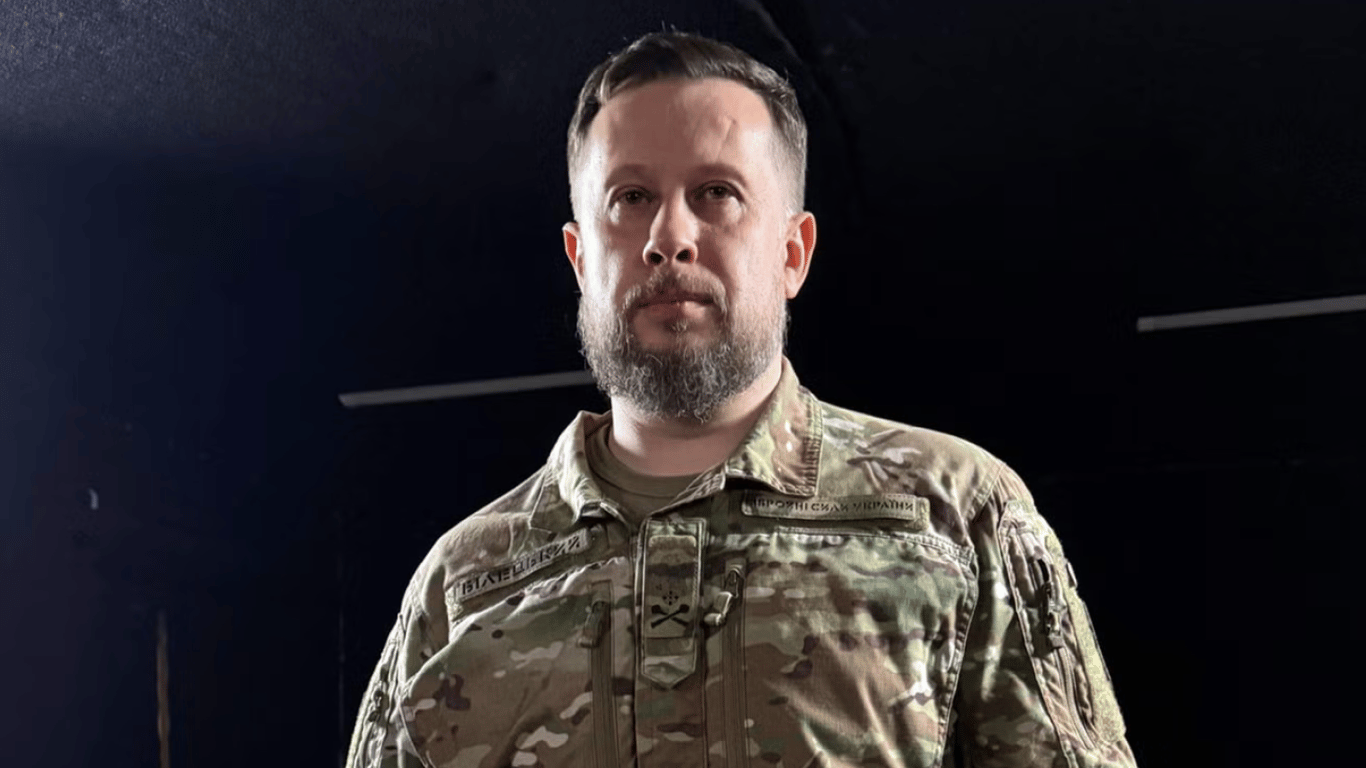
According to Novyny.live: Brigadier General Andriy Biletsky, commander of Ukraine's Third Army Corps, has reported that the effectiveness of Russian strikes dropped by 20 to 40 percent after Starlink satellite internet services were cut off for Russian use in February 2023. This disruption significantly degraded the combat capabilities of Russian military units. Starlink, a constellation of low-earth orbit satellites operated by SpaceX, has become a critical piece of battlefield infrastructure in the conflict.
Russian forces had been using the Starlink network to coordinate drone attacks against Ukrainian territory. Following the blocking of this communications system, General Biletsky stated,
"Their level of effectiveness compared to ours sharply declined, as Starlink is practically irreplaceable as a combat communications system."The general emphasized that Starlink's impact on the current trajectory of the war is immense.
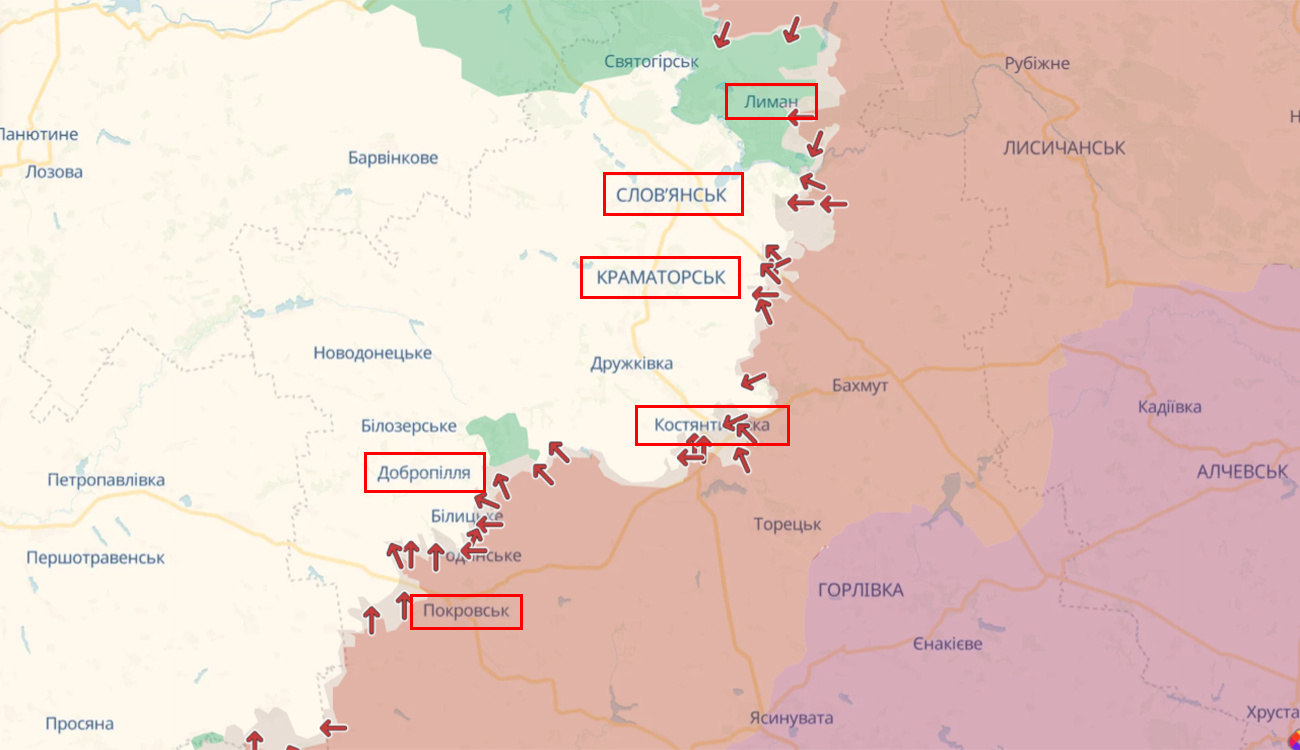
It is notable that during this period, Ukrainian forces successfully reclaimed territory around Pokrovsk, north of Lyman, and near Huliaipole. Biletsky believes the loss of Starlink access impaired Russia's ability to coordinate its actions, which in turn contributed to these Ukrainian successes. This technological disadvantage forced Russian units to rely on less effective and more vulnerable communication methods.
Technology's Role in Shaping the Conflict
The revocation of Starlink access for Russia emerged as a pivotal factor influencing combat dynamics in eastern Ukraine. The marked reduction in the effectiveness of Russian attacks underscores how technological superiority can dictate the pace and outcome of modern warfare. Concurrently, Ukrainian advances in reclaiming territory highlight the growing adaptability and strategic evolution of its military under the demanding conditions of a 21st-century conflict.
Read also
- Ukrainian Border Guards Destroy $50 Million Russian Buk-M3 System in Donetsk Region
- Fuel shortages and drone strikes stall Russian troops near Kupiansk
- Zelensky Urges No Shortage of Patriot Missiles After July 23 Attack: Key Details
- Over 80 Russian Strikes Hit Nova Poshta: Casualty and Injury Toll Revealed
- Russian Attacks in Donetsk Region Expected to Intensify, Warns Ukrainian General Malomuzh—Here Are the Occupiers' Targets
- Ukraine Ramps Up Drone and Missile Production: Inside the 'DeepStrike' Program