Can Osteochondrosis and Hernias Delay Mobilization? What Ukrainian Law Says.

Mobilization Efforts in Ukraine
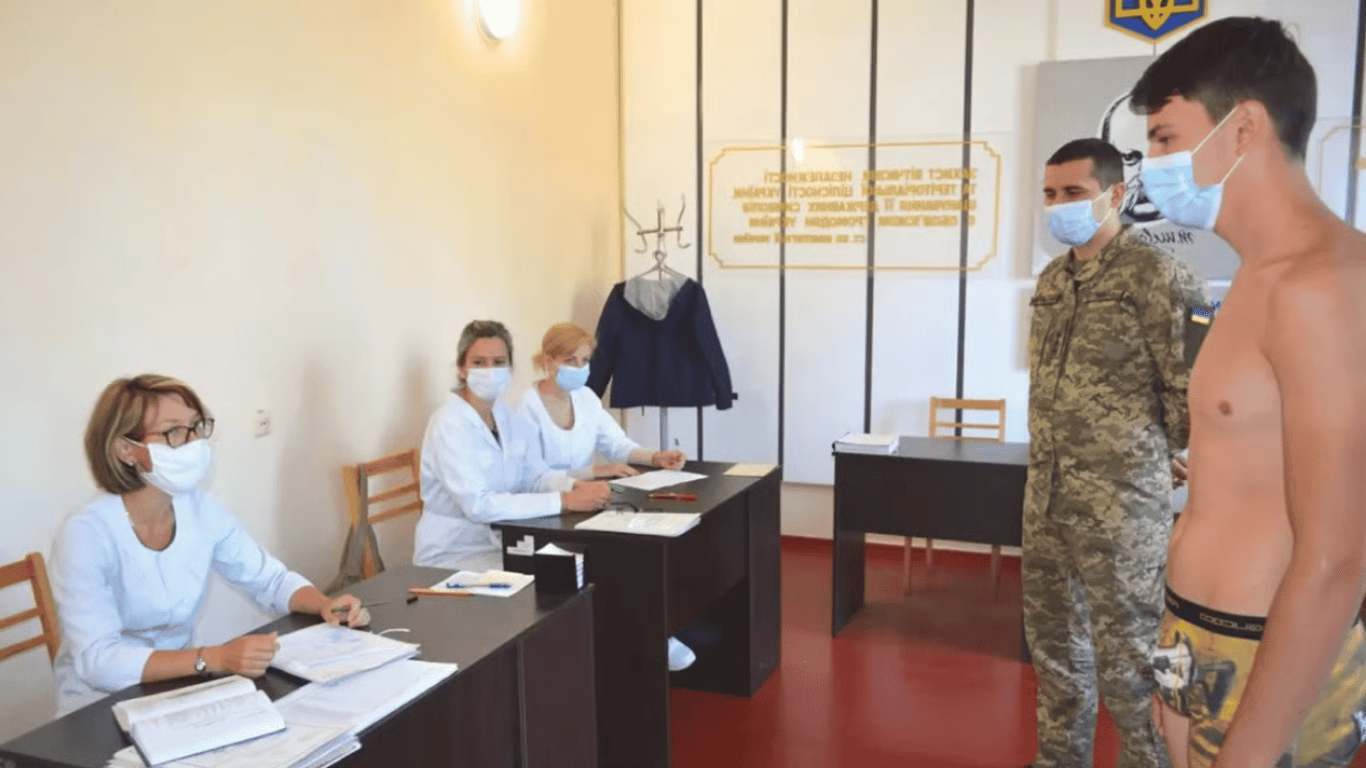
According to Novyny.live: Ukraine continues its mobilization campaign, targeting men aged 25 to 60. Under martial law, citizens have a legal right to defer military service, and serious medical conditions can serve as grounds for such a deferral. This includes neurological disorders like osteochondrosis and hernias, which may affect a person's mobilization status.
Grounds for a Deferral
Second-degree osteochondrosis and hernias are among the conditions that can justify a deferral. Crucially, the military medical commission (MMC) will not just look at whether these diseases exist—they will assess whether they cause functional impairments. Doctor Yuriy Ayvazyan explains,
'The key factor for the MMC is not simply the presence of hernias, osteochondrosis, stenosis, or compression, but whether these conditions lead to verified functional limitations.'
Additionally, if a citizen's health is in an acute phase during the MMC evaluation—with incomplete treatment, persistent severe pain, or post-treatment functional deficiency—the question of temporary unfitness may be considered separately. Ayvazyan adds that
'one can separately raise the issue of temporary unfitness under Article 65 of the Disease Schedule, or request a referral for further examination.'
Therefore, individuals with neurological diseases may qualify for a mobilization deferral, but this depends on their health status and the conclusions of medical commissions.
Given the ongoing state of war in Ukraine, mobilization rules and deferral options have become pressing concerns. Citizens facing serious health issues should understand their rights and how these may influence their draft status. Importantly, the decision on a deferral hinges not only on the diagnosis itself but also on medical experts' evaluation of the functional impairments tied to the condition.
Read also
- Ukraine's Smoking Population Drops Sharply: From 8.5 Million to 6.6 Million in Six Years
- Swimming Banned at Lake in Lviv Region After Infection Outbreak Hospitalizes 20 Children
- Mykolaiv Region Faces 20% Doctor Shortage: Officials Offer State Housing as Incentive
- U.S. Mortality Hits Historic Low as Life Expectancy Climbs to 79 Years
- G1 Geomagnetic Storm Forecast for July 4: What It Means for Ukraine
- What Science Reveals About Ultra-Processed Foods and Their Health Impact