From Soleimani's Death to Future Paths: Scenarios for a U.S.-Iran Conflict.

Key Takeaways
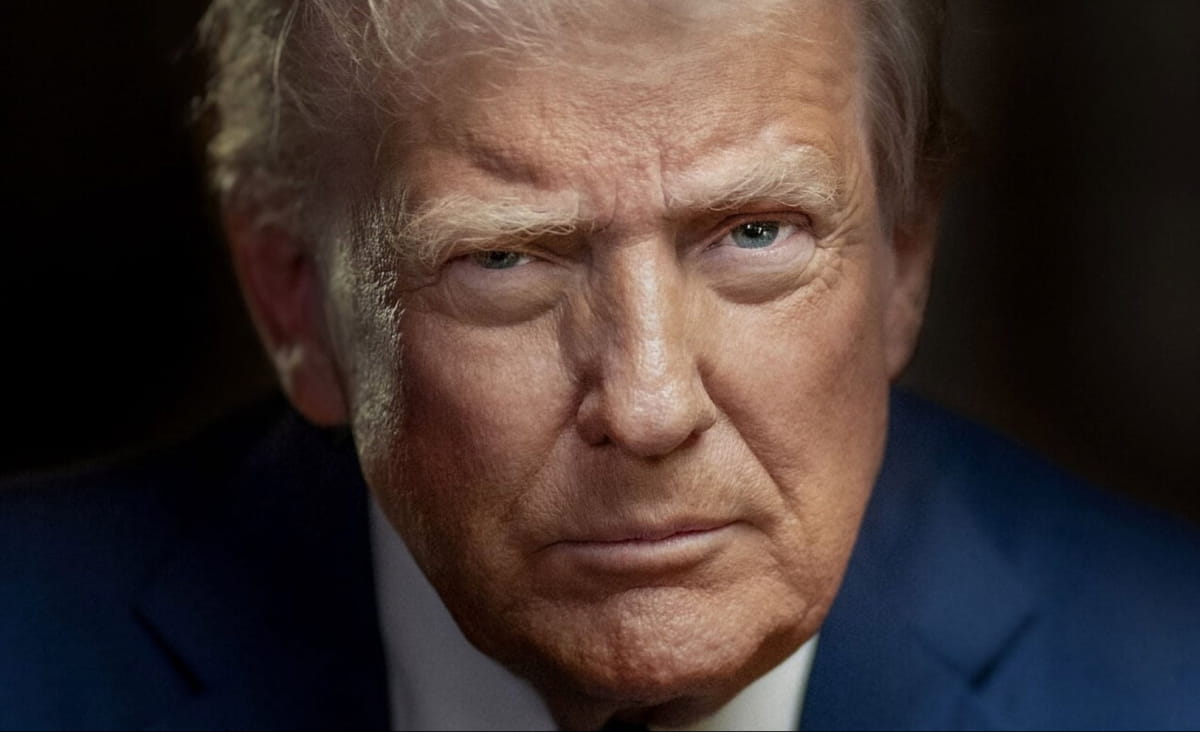
According to Vox - Загальний: The potential for a U.S.-Iran war, which began for ambiguous reasons, could conclude in several ways. Analysts consider two primary scenarios: a possible agreement where the U.S. scales back its maximalist objectives, or a dangerous escalation leading to a more severe crisis. At the time of these developments, U.S. President Donald Trump held a distinct stance on relations with Iran. The strategic calculus is complicated by decades of mutual distrust and regional power struggles.
Why Bombing Is Unlikely to Topple the Regime
A critical point of analysis is the questionable efficacy of using airstrikes to successfully force a change in Iran's government. Expert Hossein Banai observes:
'It is a fantasy to think that airstrikes will open such a gap that a new regime will emerge.' - Hossein Banai
This suggests that straightforward military intervention may fail to produce the desired political transformation within the country.
More Probable Scenarios Are More Modest
According to expert assessments, it is highly improbable that President Trump would abandon his more ambitious goals and settle for less. Michael Koplow emphasizes:
'It is almost impossible that President Trump would abandon his more maximalist goals and agree to something less.' - Michael Koplow
This indicates that negotiations could prove far more difficult than anticipated, casting serious doubt on the likelihood of reaching a compromise.
The Risk: A Repeat of Iraq
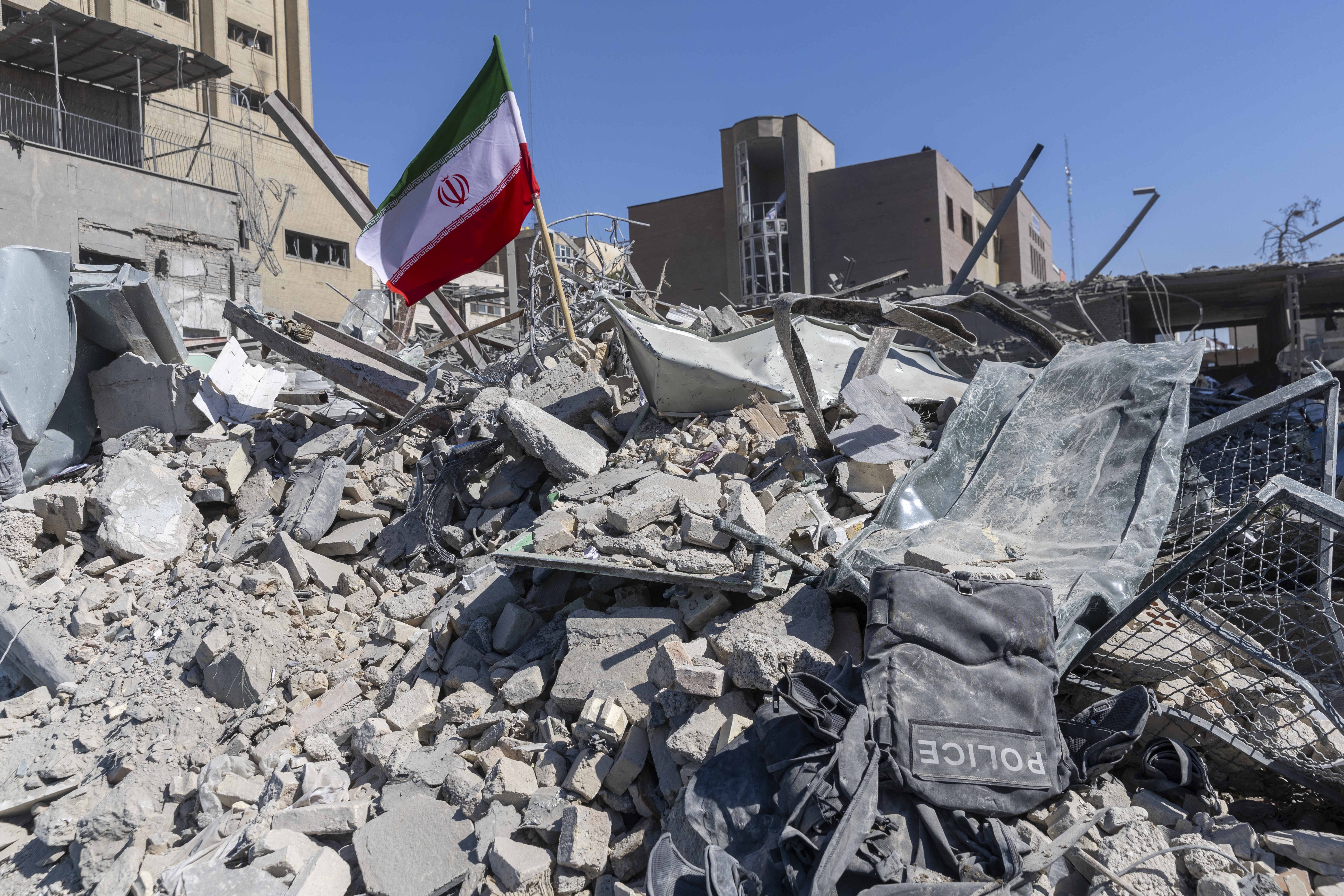
Further escalation risks creating a situation analogous to the conflict in Iraq, a prospect that alarms the international community. Iran's internal situation, particularly following the mass protests in January 2023 which resulted in up to 30,000 deaths, reveals deep-seated domestic problems that could complicate any external intervention. Given the region's instability, the danger of repeating an Iraq-style conflict remains substantial.
The situation surrounding Iran and its relations with the U.S. remains complex and contentious. In the arena of global politics, where strategic interests and regional conflicts are deeply intertwined, it is crucial to recognize that any decisions will have far-reaching consequences. Whether the conflict continues or a compromise is reached will impact not only Iran itself but also the stability of the entire Middle East, demanding careful monitoring and analysis of international relations in this sphere.
Read also
- Trump Approves Nuclear Deal with Saudi Arabia, Allowing Enrichment Without IAEA Oversight
- Pentagon Requests $67 Billion More as US War Costs Against Iran Hit $37.5 Billion
- Iran Faces Infrastructure Bombing Under New US Strategy Announced by Trump for Strait of Hormuz Attacks
- Ukraine’s Air Defense Gets a Boost: New Interceptor Missiles for Patriot Systems Discussed with NATO
- Putin Abandons Plans to Return Occupied Lands to Ukraine: What We Know About the So-Called 'Buffer Zones'
- Trump Endorses FIFA's Ban on Balogun and Backs New UN Secretary-General Pick