Fuel Prices Surge as Conflict in Iran Impacts American Consumers.

Economic Ripples: How the Iran Conflict is Driving Up U.S. Fuel Costs
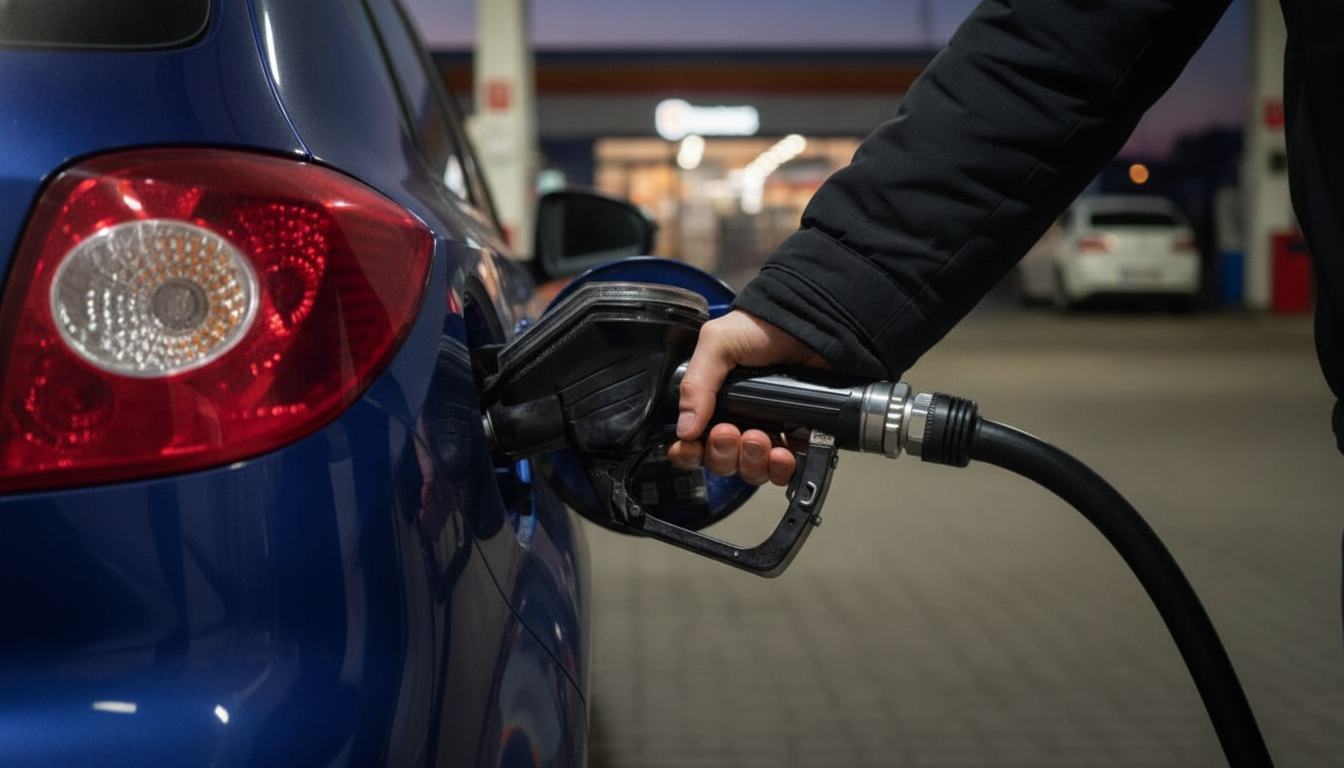
According to Vox - Загальний: The ongoing conflict involving Iran, initiated under President Donald Trump, is now directly affecting the U.S. economy through rising fuel prices. As of Wednesday, the fifth day of hostilities, the average price for a gallon of gasoline in the United States has climbed to approximately $3.20, an increase of 22 cents from the previous week. Furthermore, the price of diesel fuel has surpassed $4 per gallon for the first time in nearly two years. This conflict has the potential to disrupt global energy markets significantly, given Iran's strategic location.
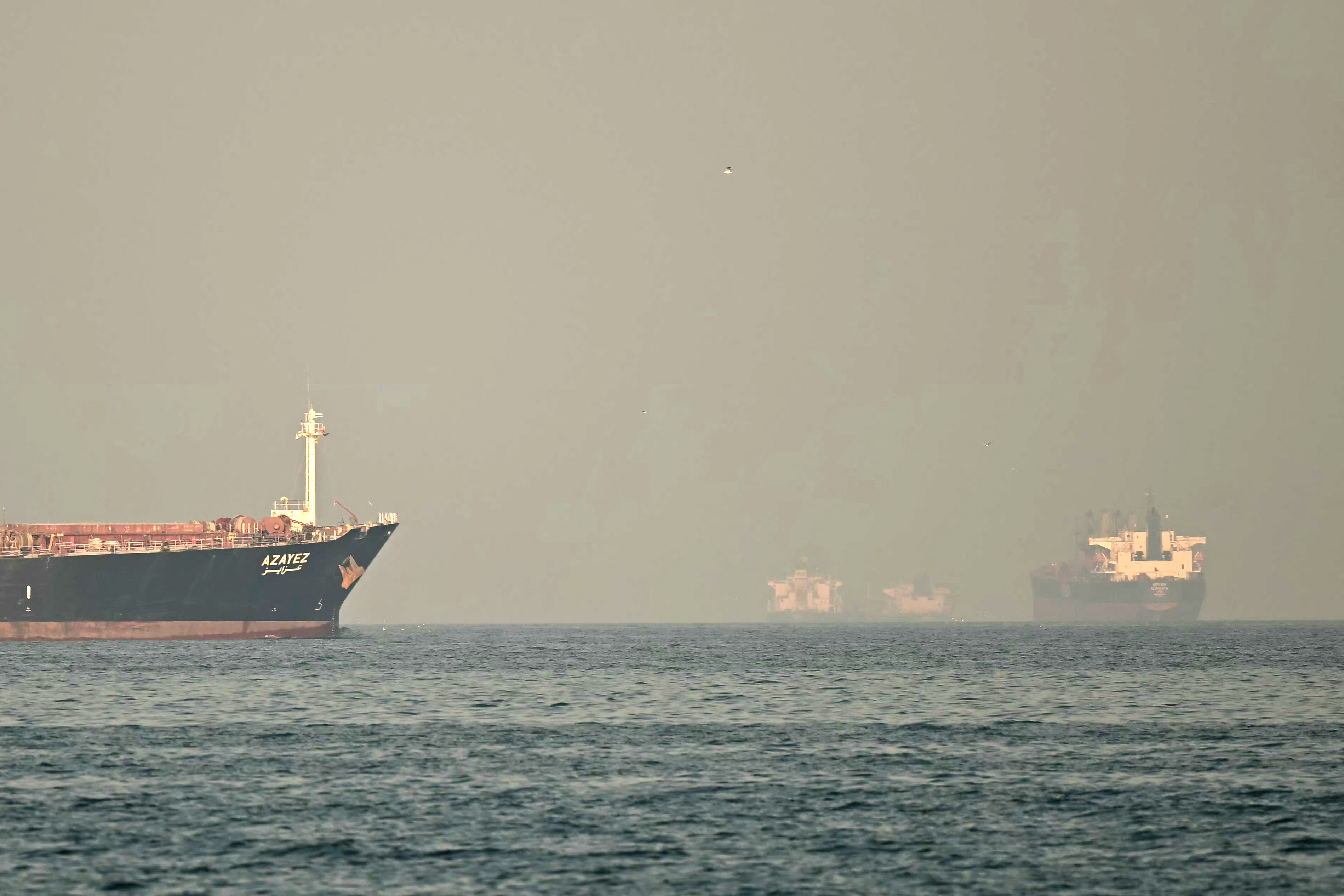
These price hikes coincide with a dramatic 90% reduction in traffic through the Strait of Hormuz. This vital shipping lane is currently under a blockade declared by Iran in retaliation for attacks by the U.S. and Israel. Any prolonged disruption to this critical chokepoint, through which about one-fifth of the world's oil passes, could have severe consequences for global oil supplies and prices.
Donald Trump previously noted that gasoline was 'under $2.30 a gallon in most states.'
However, given the current geopolitical tensions, fuel prices continue their upward trend, causing concern among consumers and economic analysts. The economic repercussions of the Iran conflict are likely to persist for some time unless the situation de-escalates.
Broader Economic Challenges for the United States
The situation in Iran underscores how international conflicts can swiftly impact the domestic U.S. economy, primarily through volatile energy prices. Rising costs for gasoline and diesel fuel threaten to impose an additional financial burden on American households, compounding other economic pressures the nation faces.
Should the conflict continue, it may lead to greater instability in global energy markets, which would, in turn, affect the broader economic outlook for the United States and its trading partners worldwide.
Read also
- 50% Tariffs Imposed by Trump on Canadian Goods: Automobiles, Alcohol, and Dairy Hit Hard
- Trump Denies Netanyahu Arrest in US as ICC Warrant Looms Over Israeli PM’s UN Visit
- What Trump and the UK’s New Prime Minister Discussed in Their First Call
- Iran Faces US-Israel Ultimatum: Accept a Ceasefire or Prepare for Joint Military Action
- Iran Crisis Deepens: Why a Military Solution Is Inevitable, According to an Expert
- Why Rubio’s Call to Protect Shipping in the Strait of Hormuz Matters for Global Security