When a Homeowner Cannot Remove a Relative from Their Own Property.

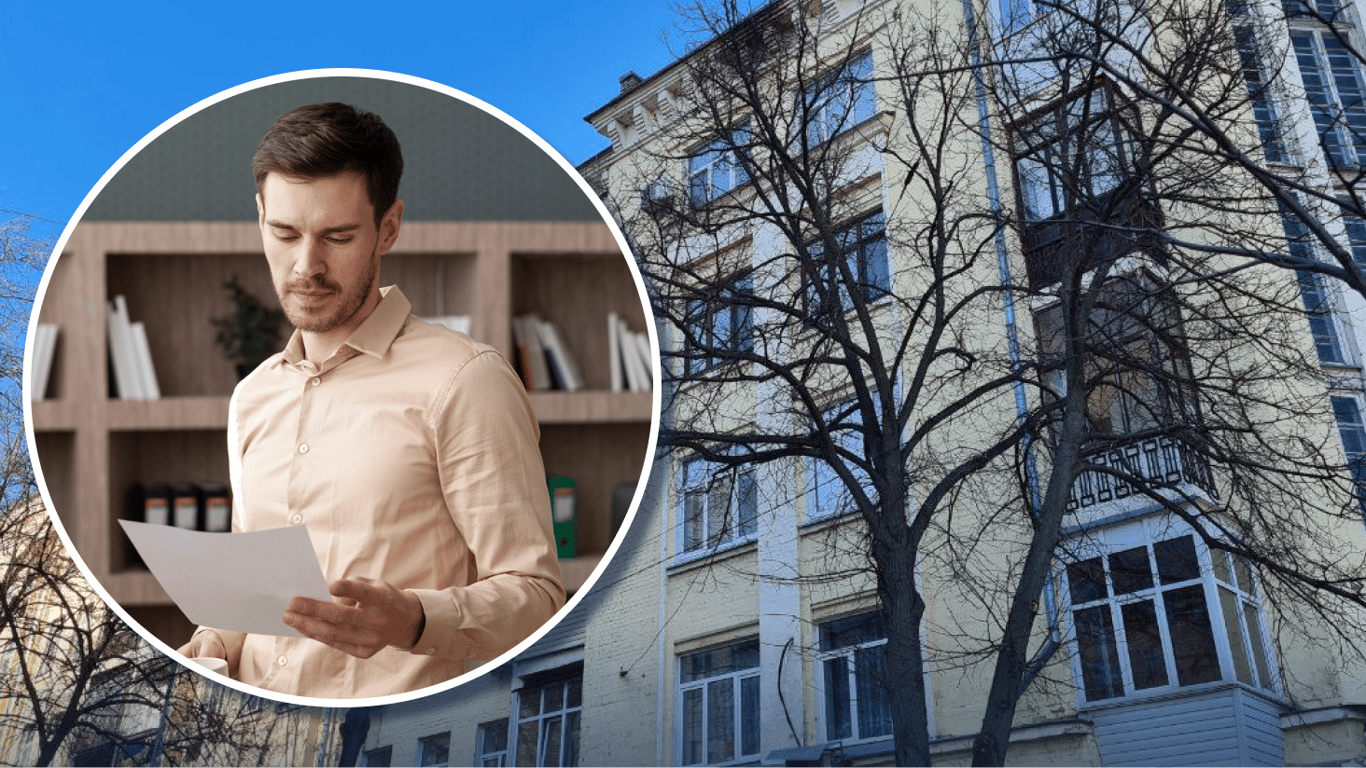
Legal Hurdles in Removing Relatives from a Residence in Ukraine
According to Novyny.live: In Ukraine, the process of deregistering a relative from a home presents significant legal challenges, particularly concerning minors, co-owners, and the property owner's immediate family members. The ongoing state of war introduces additional complexities to these situations. According to Article 18 of Ukraine's Law 'On the Protection of Childhood,' children have an equal right to use the housing as the owner. Changing a child's registered address requires consent from both parents, which complicates any removal process.
While property owners have the right to manage their assets as they see fit under Article 319 of Ukraine's Civil Code, family members possess co-equal rights to use the dwelling. These rights are established by Article 156 of the Housing Code and Article 405 of the Civil Code. Consequently, it is impossible to deregister a co-owner or a family member without following strict legal procedures.
Protected Categories and Legal Procedures
Certain groups hold a protected status in these matters, including military personnel, veterans, individuals with disabilities, and persons under lifelong maintenance contracts. To strip a relative of their right to use an apartment, a lawsuit must be filed to have them 'recognized as having lost the right of use.' It is crucial to note that a court may deny the deregistration if the person enters the apartment at least once every six months or continues to pay utility bills.
Therefore, property owners must be aware of the legal framework governing the removal of relatives to avoid future legal complications. Deregistering a minor child, a co-owner, or a family member requires adherence to specific rules, demanding thorough preparation and an understanding of existing statutes. Navigating Ukrainian property law often requires specialized legal advice, especially given the interplay between ownership rights and family protections.
The situation underscores the necessity of a well-informed approach to resolving housing issues, particularly during wartime. Knowledge of legal norms and procedures can help prevent conflicts and ensure the protection of the rights of all parties connected to the property. This awareness also opens pathways for properly addressing the limitations and entitlements that arise within complex social conditions.
Read also
- Civilian Casualties in Ukraine Hit Record Highs, UN Reports: A Closer Look at the Shift
- Fare rates for transportation in Kyiv have tripled: how the war is changing the transportation reality
- No Rental Security for Displaced People: Landlords Can Change Terms at Any Time
- Veterans in Zaporizhzhia Get a New Gym: Inside Ukraine’s Effort to Support Its Defenders
- Andrii Kroka Takes Command of the 155th Brigade: What We Know About the New Leader
- Europe Scorches Under 50°C Heat: Excess Deaths Reported Across All 27 EU Nations