Payments to the Family of a Military Personnel — How to Write a Personal Directive.

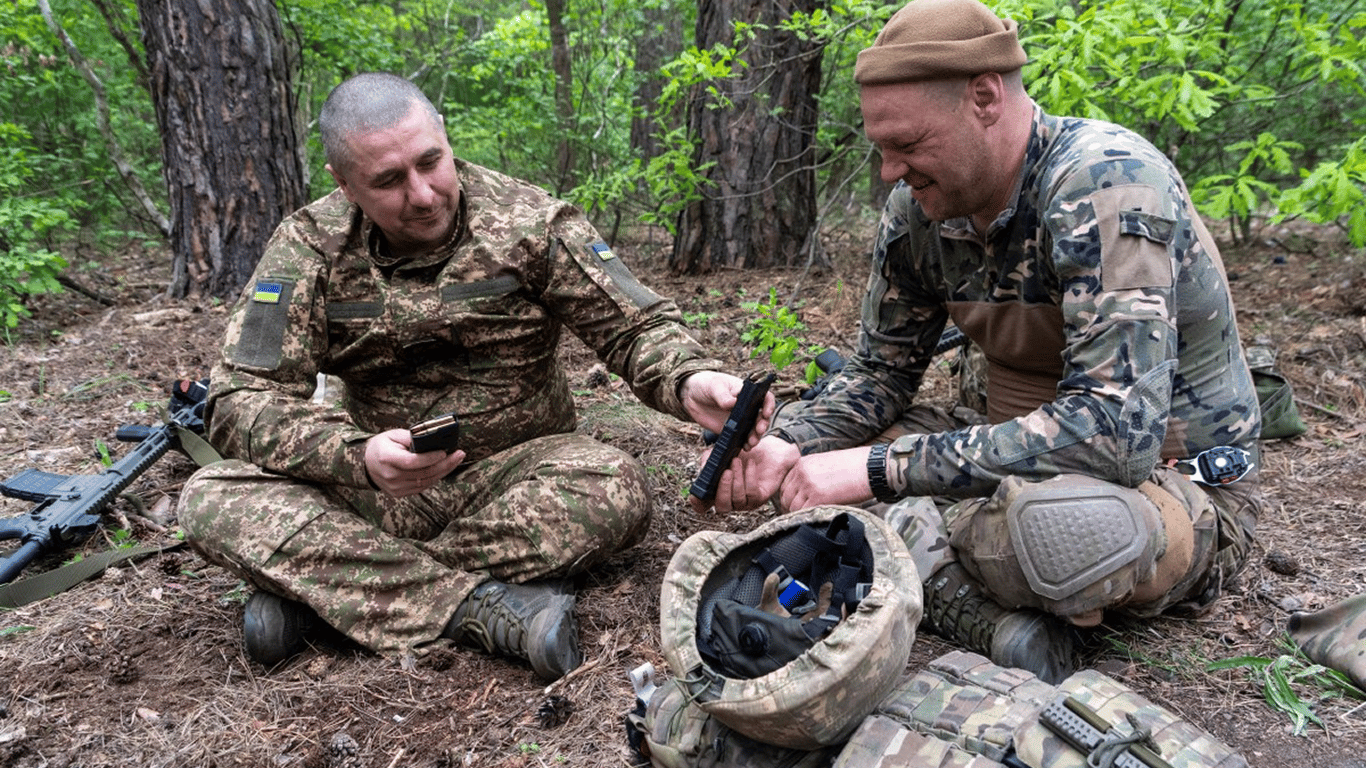
Family members of fallen defenders have the right to a one-time monetary aid under the law. The serviceman can determine, while alive, who and in what shares will receive the monetary aid in the event of his death by writing a personal directive.
Experts from the law firm 'Vasyl Kysil and Partners' explained how to correctly draft the document.
What is a Personal Directive and Who Can Write It
A personal directive is a written document in which the serviceman determines at his discretion the size of the share of the monetary provision (one-time monetary aid) that will be paid to a specific person (persons).
Those who can draft a personal directive include:
- servicemen;
- military conscripts called for training and special exercises;
- reservists called for training and special exercises or for service in the military reserve.
The document is drafted for the event of death, as well as in case of capture or being taken hostage, internment in neutral states or disappearance without a trace.
Lawyers noted that military conscripts called for exercises or reservists may only draft a personal directive in case of death.
How to Properly Draft a Personal Directive
The document must be drafted in writing in a free form and must contain:
- Information about the serviceman — last name, first name, patronymic, military rank, date of birth, registered/residential address, Tax Identification Number (TIN).
- Information about the person(s) to whom payments are to be made — last name, first name, patronymic, date of birth, registered/residential address, TIN, phone number, and email address.
- The share of the monetary provision payable in case of capture or disappearance without a trace or one-time monetary aid in case of death (in percentages).
- Place and date of drafting.
- Signature of the serviceman.
Additionally, the personal directive may include information about the Military Registration and Enlistment Office that the serviceman is called to and/or the number of the military unit in which he is serving, their phone numbers, and email addresses.
To ensure that the personal directive has legal force, it is necessary to certify the authenticity of the signature on such a document. This can be done by a notary or the commander of the military unit.
Earlier, we reported that the government decided to launch a separate direction of the 'Contract 18-24' program. Drone operators serving in the Armed Forces, National Guard, and State Border Guard Service will be able to join.
Also, find out what payments servicemen can expect upon release.
This explains how to properly draft a personal directive in the event of a serviceman's death and who has the right to write it. Important information for family members of the fallen who may receive monetary assistance according to the provisions outlined by the serviceman in his directive. It also mentions the launch of a new program for drone operators who will service military units.Read also
- EU and Ukraine Launch Foreign Policy Cluster: 99% Alignment Achieved with Bloc’s Stance
- President Announces Prime Minister's Resignation and Potential Defense Minister Shake-Up
- Ukraine Secures Licenses to Manufacture SCALP, AASM, and Aster 30 Missiles
- Kaczyński Fires Back at Czarnek: Military Aid to Ukraine Must Continue Despite Disagreements
- After Senator Graham’s Death, Trump Backs New Russia Sanctions Bill
- Three Foreign Groups Face Severe UK Sanctions: What It Means for Their Members