Israel Accused of Manipulation as U.S. Counterterrorism Chief Resigns Over Iran War.

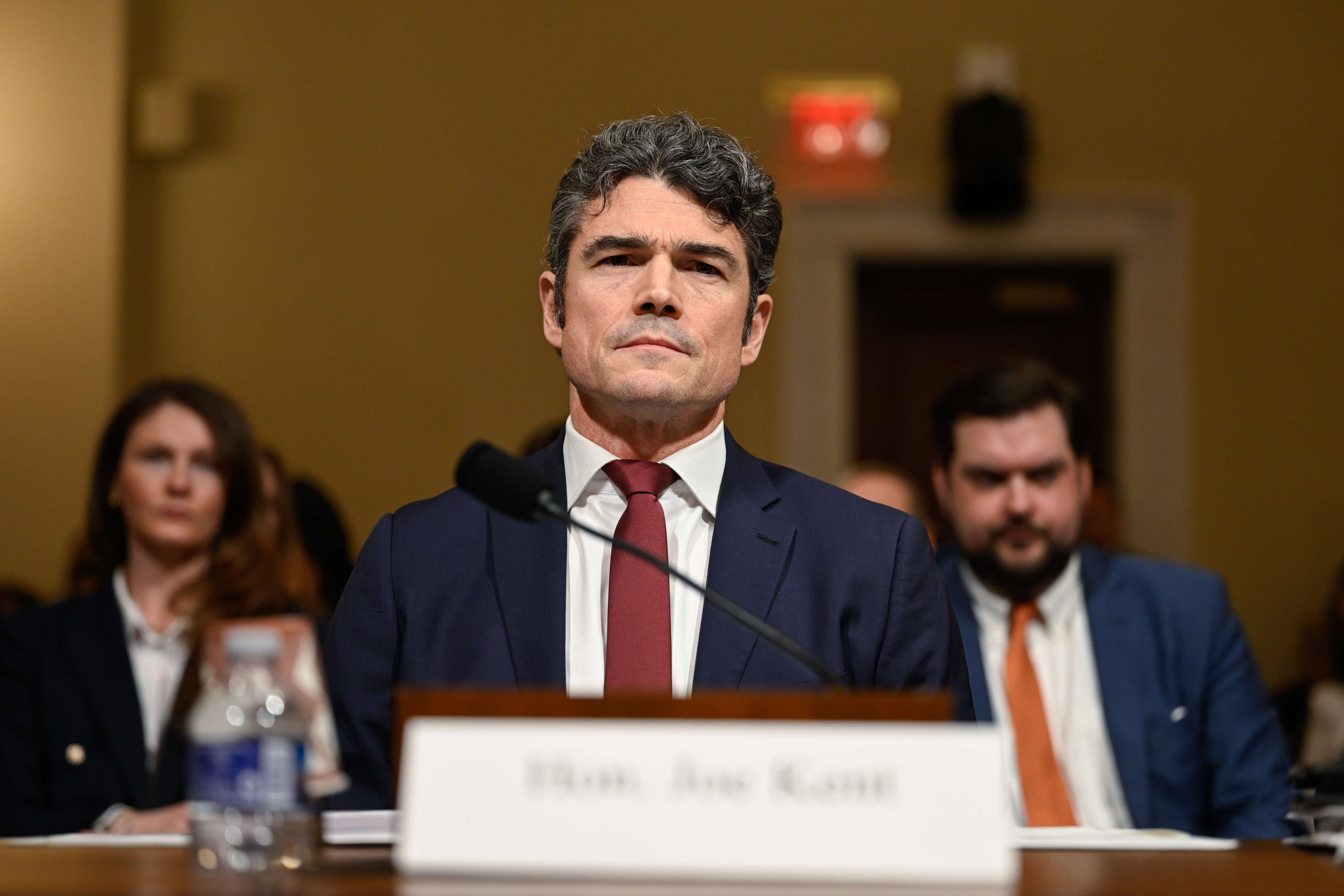
Joe Kent Steps Down Amid Iran Conflict
According to Vox - Загальний: In 2023, Joe Kent, the Director of the National Counterterrorism Center, resigned due to the war in Iran, stating he could no longer support it. In his resignation statement, Kent accused Israel of orchestrating manipulations that he believes led to the conflict, emphasizing that Iran posed no threat to the United States. This resignation has sparked significant debate within political circles.
Kent argued that Israel influenced President Donald Trump's decision to go to war with Iran, claiming the conflict was driven by Israeli pressure and its American lobbying efforts. He also alleged that Israel waged an information campaign against the U.S., insisting there was no imminent danger to American interests.
“I cannot in good conscience support this war,” Kent stated.
Political Fallout From the Resignation
Kent's move could have major implications for the U.S. political landscape, particularly for the Republican Party, as his arguments may reshape debates on foreign policy and ties with Israel. An analysis of his remarks might prompt a reassessment of the party's stances on military conflicts and overall foreign policy direction.
- Kent's resignation opens new avenues for discussing U.S. foreign policy.
- It could act as a catalyst for broader dialogue on America's role in international conflicts.
- It highlights growing domestic tensions over military interventions.
Politician Mark Warner also weighed in, stating:
“There was no imminent threat to the U.S., and this war was a terrible idea.”
Joe Kent's resignation and his criticism of Israel are opening fresh perspectives for examining U.S. foreign policy, especially regarding relations with Middle Eastern states. This event may serve as a trigger for a wider conversation about America's involvement in global conflicts and the influence of external lobbying groups on Washington's decision-making. It also underscores rising internal friction over the wisdom and necessity of military engagements, which could impact election campaigns and the political platforms of future candidates.
Read also
- Germany Delays Reparations to Poland: What Warsaw Is Demanding
- Summit Meeting in Anchorage: Trump and Putin Without Tangible Results
- Putin's Claims of Russian Troops Approaching Sumy Dismissed by Expert: Offensive Deemed a Failure
- After Talks with Putin, Lukashenko Arrives in China: Key Topics Revealed
- Europe Must Show Strength, Says Latvian PM: No Room for Talks with Russia Now
- New Combat Bonuses Approved: Ukrainian Soldiers Could Earn Up to 40,000 UAH Per Day