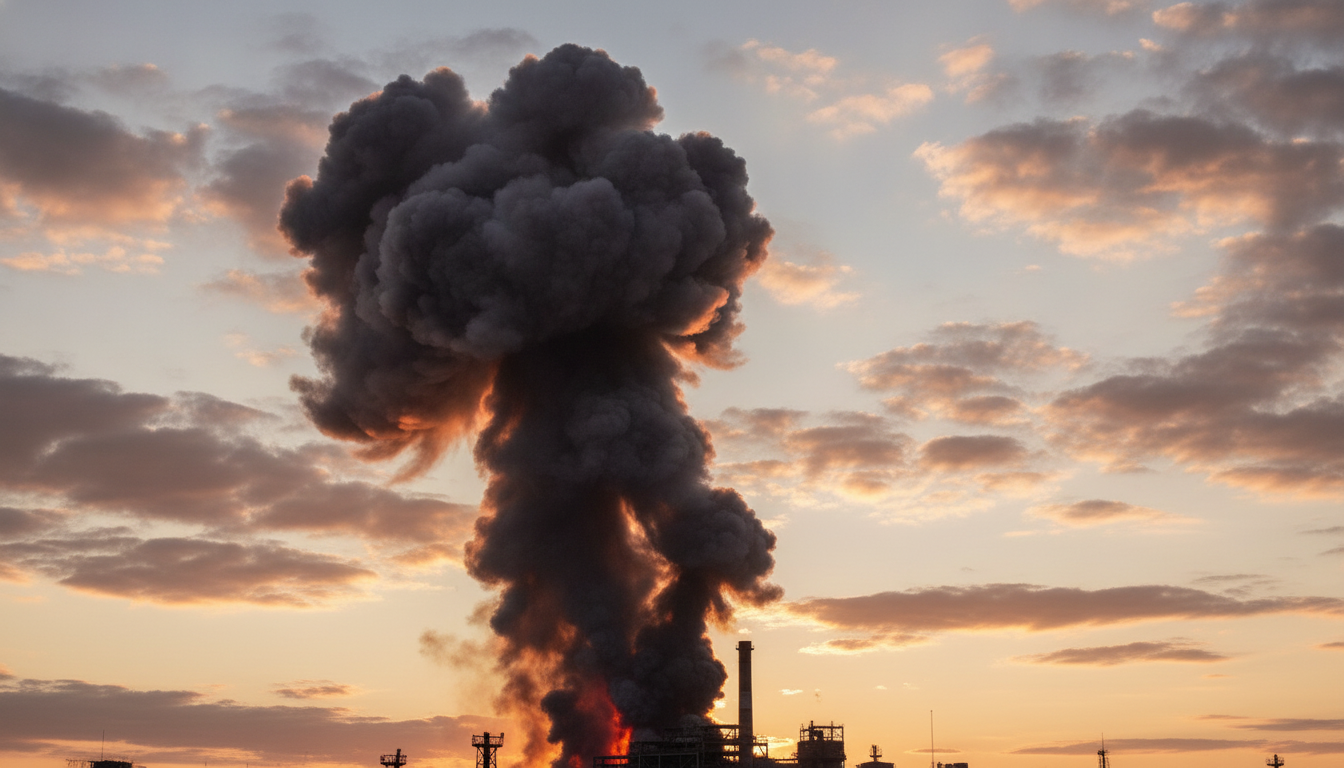
Gas Cylinder Leak: Immediate Actions and Critical Prohibitions.

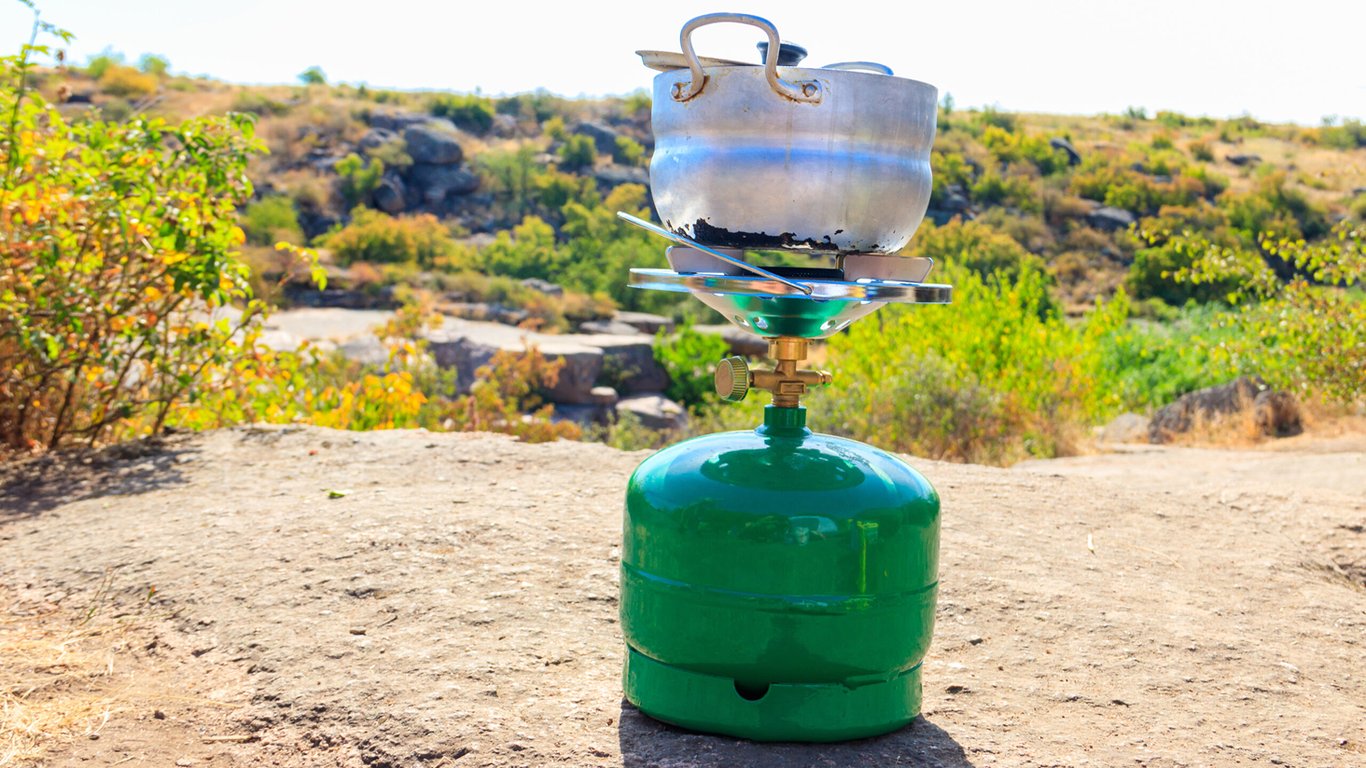
Recognizing and Responding to a Gas Leak
According to Novyny.live: A leak from a gas cylinder is a serious emergency requiring immediate action to ensure safety. Knowing the warning signs, the correct steps to take, and the actions to avoid is crucial for preventing accidents and potential disasters.
Signs of a Gas Leak
How can you tell if a gas cylinder is leaking? Indicators of a leak may include:
- A sharp, distinctive odor
- A hissing sound
- Frost forming on the valve
- Headaches (a symptom of gas inhalation)
Paying attention to these signals is vital, as they can point to a dangerous situation. Propane and butane are naturally odorless, so a strong-smelling agent is added specifically for leak detection.
Immediate Actions to Take
If you detect a gas leak, you must immediately call the emergency service at 104. This is the first and most critical step to secure professional assistance. Simultaneously, take measures to ensure your own safety and the safety of others in the building.
Actions to Strictly Avoid
There are specific actions that are absolutely prohibited during a gas leak, as they can trigger an explosion or fire:
- Do not turn electrical switches or lights on or off
- Do not use a mobile phone or any electronic device in the vicinity
- Do not light matches, cigarettes, or any open flame
- Do not attempt to repair the valve yourself
- Do not move the cylinder if a major leak is suspected
When to Call in Professionals
You must call for expert help in the following situations:
- The smell of gas is persistent
- The leak is substantial
- The cylinder is old or visibly damaged
- You are unable to shut off the valve
In such cases, do not delay, as the situation can pose a direct threat to life and health.
Preventing Future Leaks
To minimize the risk of future leaks, it is recommended to:
- Regularly check the cylinder's expiration date
- Purchase only certified containers from reputable suppliers
- Store cylinders away from direct sunlight and heat sources
- Inspect the connecting hose regularly for cracks or wear
These simple precautions can significantly reduce the risk of dangerous incidents involving gas.
A gas leak underscores the critical importance of knowing how to use gas cylinders safely and adhering to strict safety protocols. Even a minor leak can lead to severe consequences, making a prompt, informed response potentially life-saving. Public education on gas safety remains key to preventing accidents and ensuring a secure environment for everyone.
Read also
- Kyiv in Mourning After Russian Strike: 30 Dead, Rescue Efforts Ongoing
- Death Toll in Russian Attack on Kyiv Rises to 30 as Three More Bodies Recovered from Rubble
- Deadliest Ballistic Strike on Kyiv: 30 Killed, 56 Wounded as Search for Children Continues
- Ukrainian Woman Held in Monaco After Bag Explosion Near Oligarch’s Home Leaves Three Injured
- Massive Strikes Hit Dnipropetrovsk Region: Over a Dozen Attacks Leave Ten Wounded
- Belgorod Power Plant Strike: Substation Destroyed, City Loses Electricity and Water