Odessa Oil Spill: The Death of 2000 Birds and a Wider Threat to the Sea.

Odessa Oil Spill: The Death of 2000 Birds and a Wider Threat to the Sea
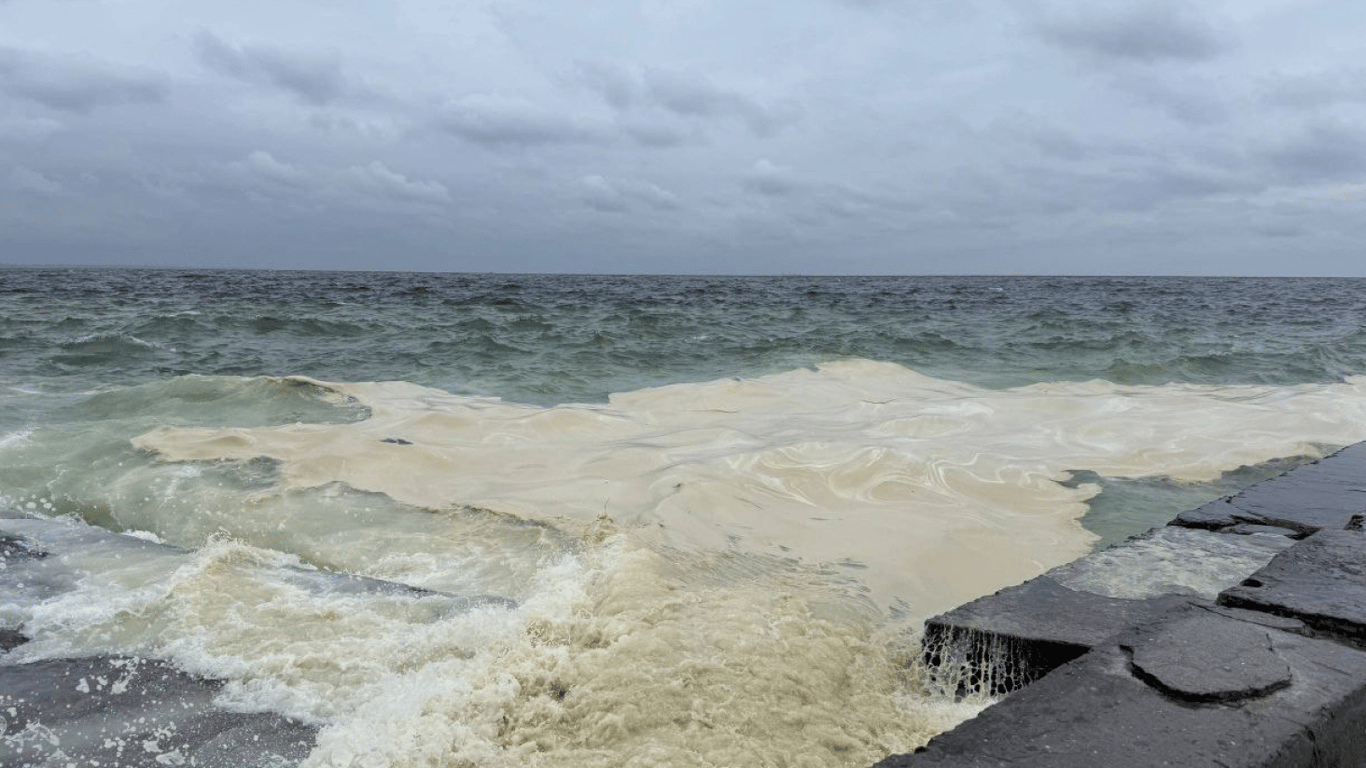
According to Novyny.live: An environmental catastrophe is unfolding along the coast of Ukraine's Odesa region after attacks on port infrastructure caused thousands of tons of sunflower oil to spill into the sea in late December. The incident has resulted in the deaths of approximately 2000 birds. While volunteers managed to save around 400 animals, the scale of the disaster is staggering.
The Scale of the Disaster
The spill has contaminated roughly 25 kilometers of coastline. The mass bird mortality has alarmed ecologists and volunteers who rushed to aid the affected wildlife. As Vladyslav Balinsky noted:
“Around 2000 birds have likely perished. The number volunteers were able to collect is about 400 birds.”
These figures underscore the severity of a situation demanding an urgent response.
Why is this type of spill such a significant threat? It has been revealed that sunflower oil presents a more complex and dangerous pollutant for birds than fuel oil or crude petroleum. Balinsky explained:
“It turns out that vegetable oil is a significantly more complex pollutant for birds than fuel oil or crude oil.”
This indicates the negative impact on marine life could be far greater than previously understood.
This ecological disaster highlights specific and severe risks to marine life and the broader ecosystem. Measures must be taken to prevent similar incidents in the future to protect avian and marine populations. This spill is a stark reminder of the often-overlooked environmental consequences of warfare.
- The event has serious implications not only for birds but for the entire marine environment.
- The pollution can affect the health of marine organisms and the ecosystem as a whole.
- It is crucial for relevant authorities and environmental organizations to take immediate action to mitigate the spill's effects.
- Similar incidents must be prevented in the future.
- This situation underscores the critical importance of environmental monitoring and protection during armed conflict.
Read also
- Kyiv Building Collapse Search Ends: 30 Dead After Russian Strike
- Deadly Strikes Hit Donetsk Region on July 3: Fatalities in Kramatorsk and Sloviansk
- Zaporizhzhia Strike: 7 Wounded, Including an 11-Year-Old, and Fatalities Reported
- July 3 Attack on Sumy Community Kills One Woman, Injures Four
- Kharkiv Defense Council Expands Evacuation Orders Across 60 Settlements: Who Must Leave
- Four Dead, Including a Child, in Attacks on Railways in Dnipro Region and Sumy