Hefty Fines in Europe: What Could Cost Drivers Thousands of Euros.

Driving Penalties Across Europe
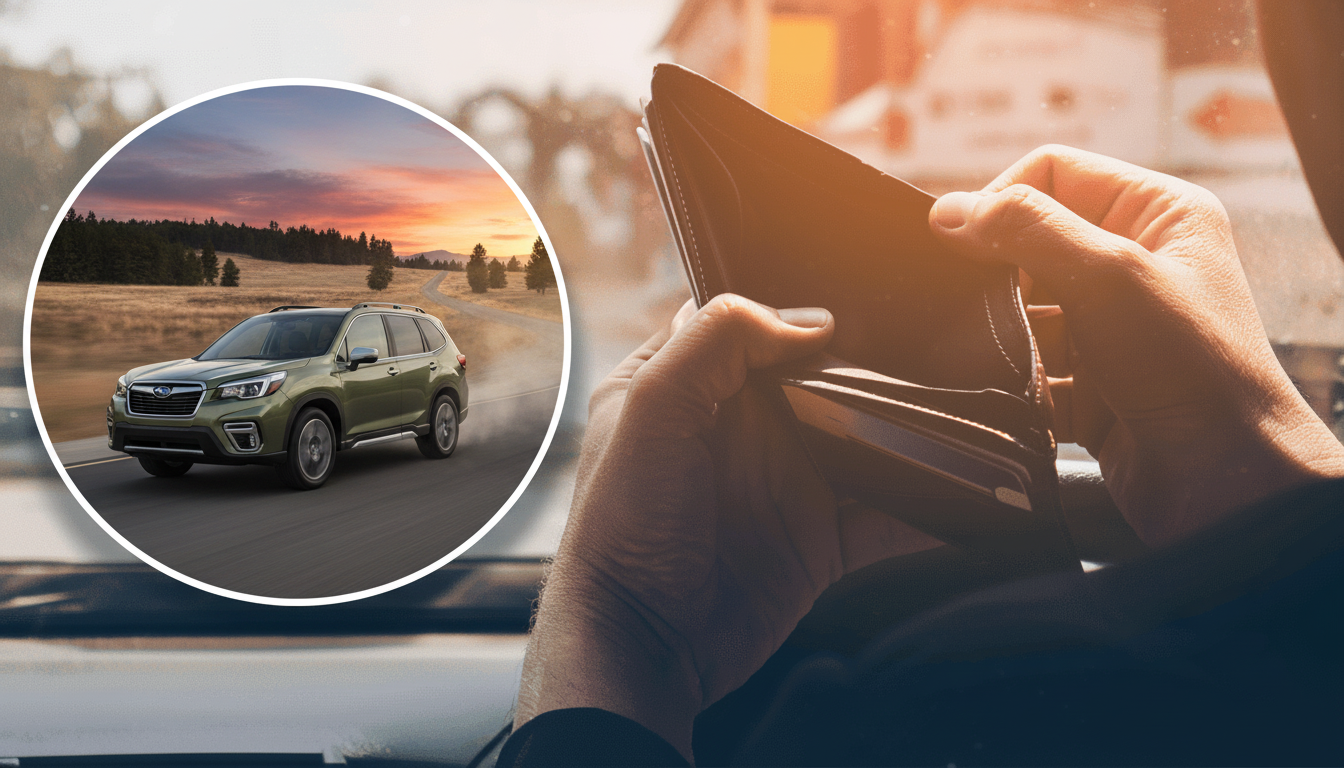
According to Novyny.live: For motorists planning to travel across Europe, understanding local traffic laws is crucial, as fines vary widely by country and can lead to significant financial losses. Ignorance of these regulations is no excuse, and some penalties reach into the thousands of euros.
Country-Specific Rules and Their Costs
- France: It is illegal for navigation systems to display the exact locations of speed cameras. Violators may face fines of up to 1,500 euros.
- Germany: Running out of fuel and stopping on the autobahn can result in fines ranging from 30 to 70 euros.
- Portugal: Transporting an unauthorized spare gasoline canister can lead to penalties between 1,500 and 15,000 euros.
- Finland: Strict headlight regulations require drivers to keep their headlights on at all times, with no option to turn them off.
- Switzerland: Drivers who wear prescription glasses must carry a spare pair. Fines for non-compliance range from 20 to 500 Swiss francs.
- Spain: Driving in flip-flops or barefoot, if it impairs the ability to control the vehicle, carries a fine of 200 euros.
Additionally, starting in 2026, Ukrainian citizens will need a visa to enter the United Kingdom. This policy shift could affect travel plans, so it is wise to check the latest requirements well in advance.
Being aware of local driving laws and potential fines can help motorists avoid unexpected costs and ensure a smoother journey. Before heading to any European country, it is recommended to review specific traffic regulations to prevent violations and related inconveniences.
Travelers should also note that differences in road rules and penalty amounts across Europe can significantly impact their budgets. The upcoming visa changes for Ukrainians traveling to the UK further highlight the need for early trip planning and staying informed about evolving entry requirements. Proactively studying local legislation and preparing for possible adjustments can greatly ease the travel experience and reduce the risk of unforeseen complications.
Read also
- New York City Subway Shatters Records: 472 Stations and 160 Ways to Get Lost
- Three Medieval Castles Linked by New Cycling Route in Lviv Region
- Qantas Launches Its Longest-Range Aircraft: 22-Hour Nonstop Sydney–London Route
- 2025 Season Pricing Announced for Water Parks in Southern Ukraine: What a Day of Fun Will Cost
- New International Train Routes from Ukraine: Ticket Prices to Poland, Hungary, and Austria Revealed
- Beach Season Delayed in Odesa Region: Water Temperature Only Reaches +15°C