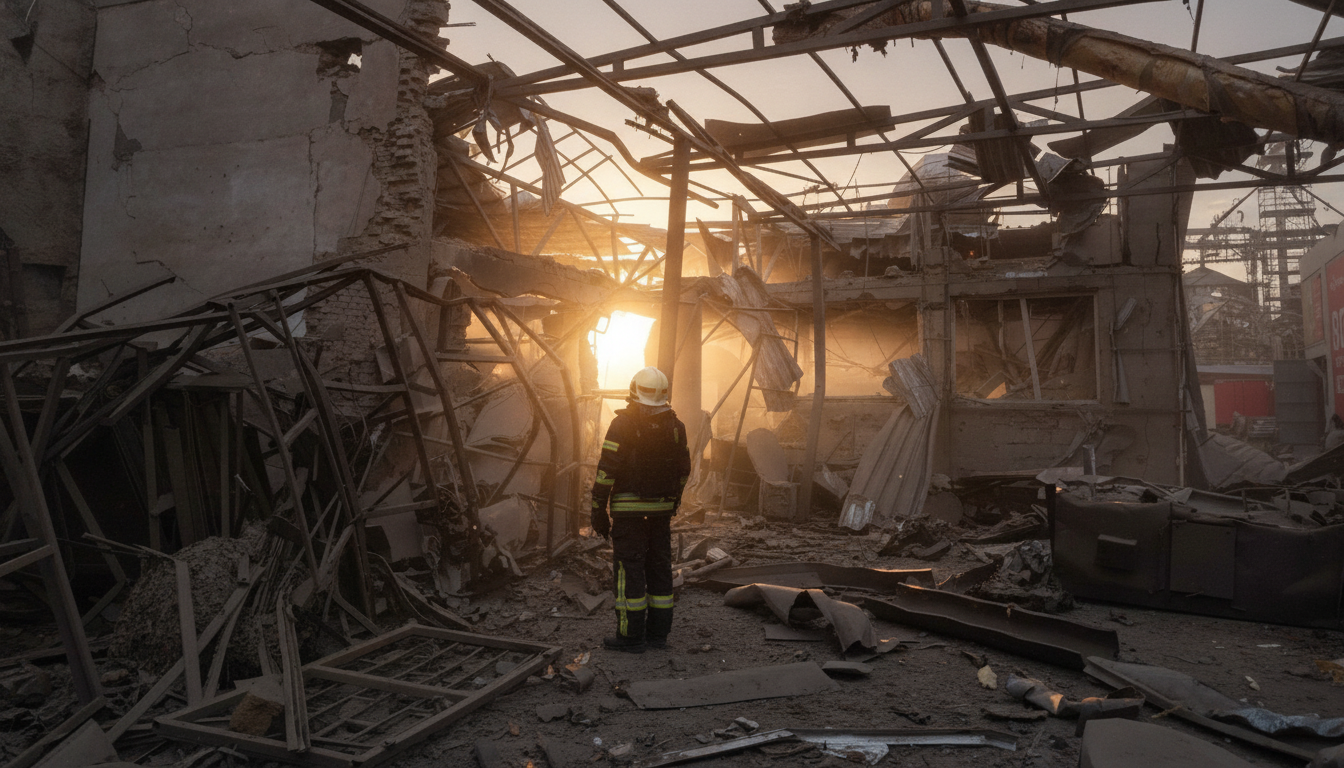
WHO Raises Alarm Over Bundibugyo Virus: 400 Cases and 63 Deaths Recorded in Africa.

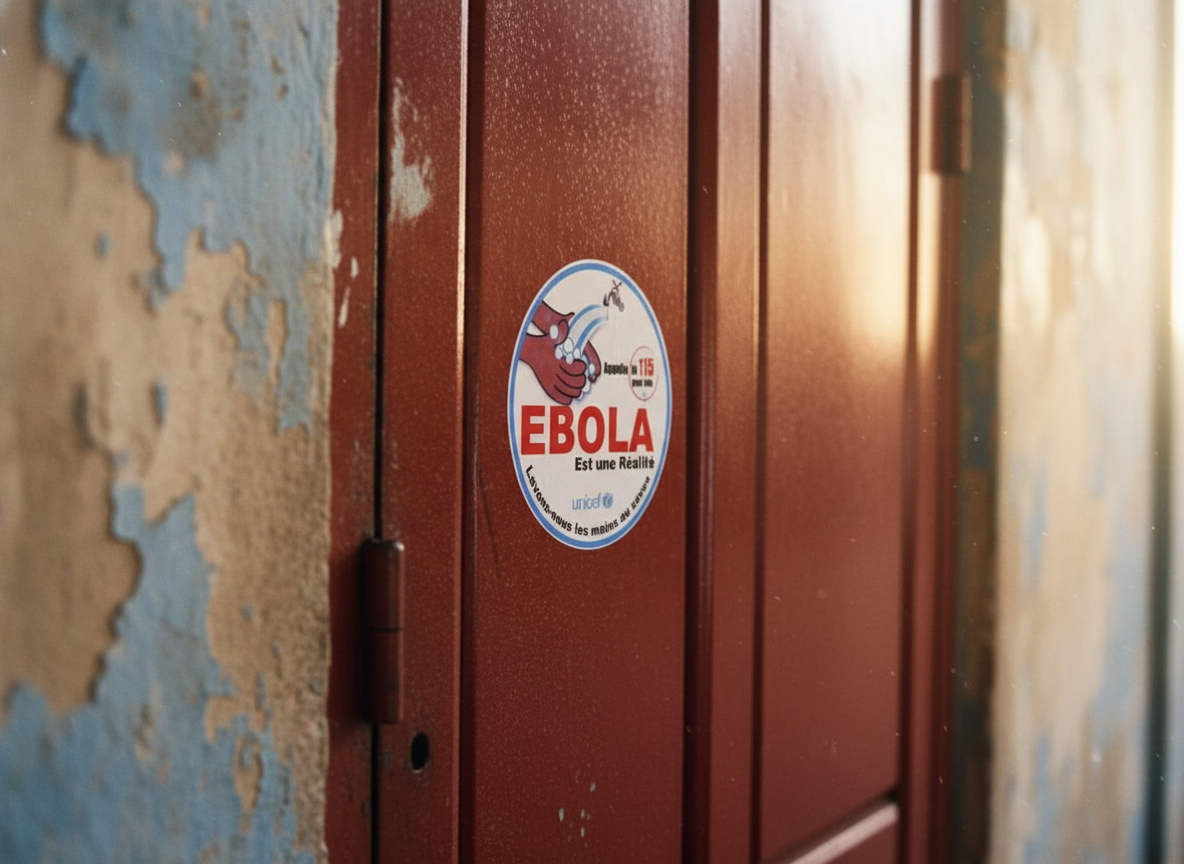
Bundibugyo Virus Outbreak
According to Espreso.tv: In May 2023, the World Health Organization (WHO) declared the Bundibugyo virus outbreak a public health emergency. This virus, a strain of Ebola, has already caused approximately 400 confirmed infections and 63 fatalities. The outbreak has raised significant concern among health experts because no specific treatments or vaccines exist for this virus, making containment efforts particularly challenging. Bundibugyo virus is known to cause hemorrhagic fever, similar to other Ebola strains, and spreads through contact with infected bodily fluids.
Dr. Satish Pillai noted that
“modeling suggests an outbreak of this scale was possible”, highlighting the gravity of the situation. Jennifer Nuzzo also expressed alarm, stating that
“the outbreak is on a dangerous trajectory”. These warnings underscore the urgent need for decisive action to control the spread and protect vulnerable populations.
Regional Situation
The crisis is compounded by an armed conflict between the Congolese government and the Rwanda-backed M23 rebel group, as well as attacks by the Allied Democratic Forces, an ISIS-affiliated militia. Countries sharing land borders with the Democratic Republic of Congo are at heightened risk, as the virus could rapidly cross into neighboring regions. The convergence of health and security challenges makes this one of the most complex outbreaks in recent years.
- No specific treatments or vaccines are available for this virus.
- Ongoing conflicts in the region hinder epidemic control efforts.
Given these obstacles, the international community must take immediate steps to prevent the Bundibugyo virus from spreading further. The WHO and other global health organizations are calling for enhanced surveillance, cross-border coordination, and support for local healthcare systems.
The Bundibugyo virus outbreak highlights a critical situation where medical and social challenges intersect. The absence of targeted therapies or vaccines demands urgent action from health authorities and governments to avert additional cases. As regional conflicts complicate response measures, it is vital for international bodies like the WHO to actively assist affected countries in implementing protective strategies for their citizens.
Read also
- Two Cities Under Fire: Civilian Deaths and Injuries in Nikopol and Chernihiv
- Ten Killed as Foreign Cargo Ship Sinks in Black Sea After Russian Missile Strike
- A Russian drone-missile strike on Kharkiv with a 'Banderol' weapon has left one woman dead and more than 16 people injured
- Romanian F-16 Shoots Down Drone Over National Airspace: Key Details on the Incident
- Zaporizhzhia Bombing: 30 Wounded, Including Seven Children, After Russian Airstrike
- Two Wounded, Furniture Store Damaged in July 24 Strike on Odesa