The Legendary VR38DETT: How Nissan's GT-R Engine Became Japan's Most Powerful Production Powerplant.

The Making of a Legend: The VR38DETT Engine's Journey to Dominance
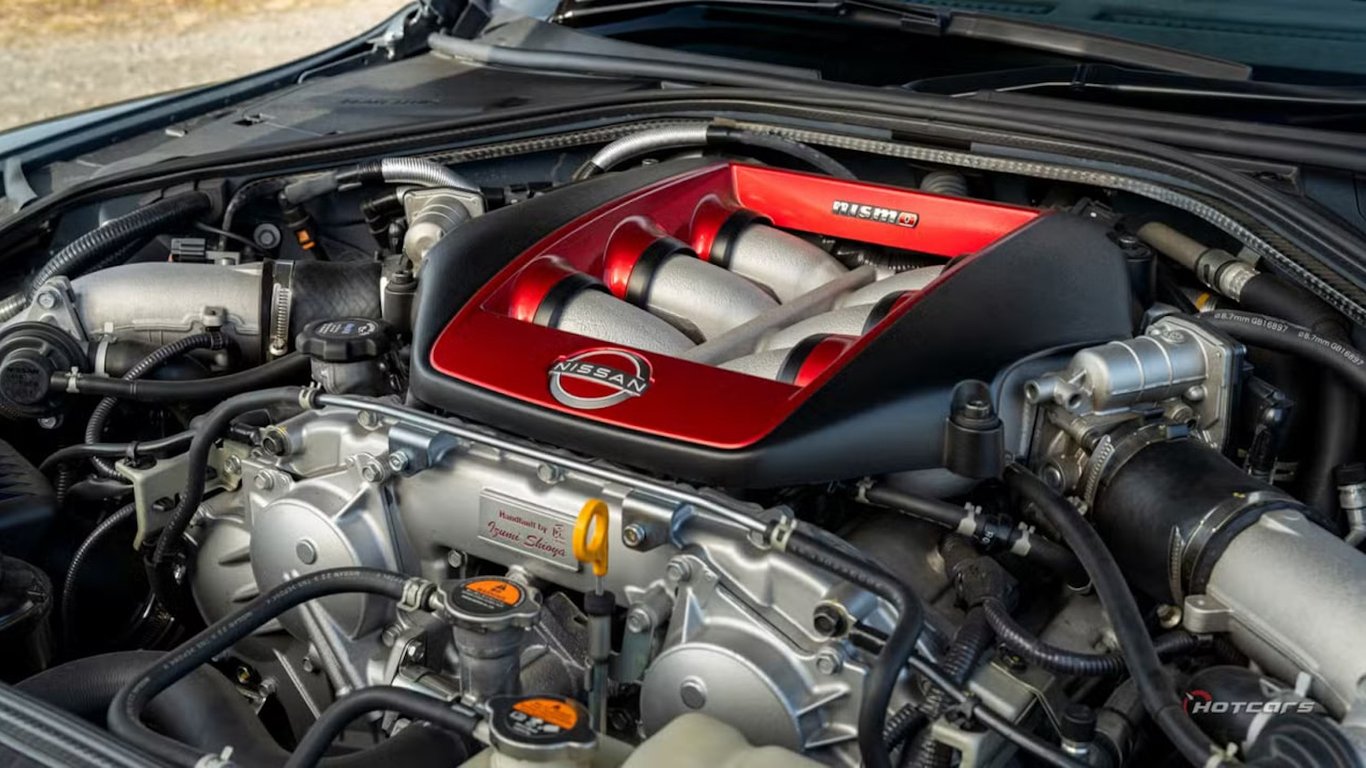
According to Novyny.live: At the heart of the iconic Nissan GT-R R35 supercar lies the VR38DETT, a 3.8-liter twin-turbocharged V6 that holds the title of Japan's most powerful series-production engine. This powerplant is a symbol of Japanese engineering prowess, with output ranging from 473 to 600 horsepower across different GT-R R35 variants. In the track-focused Nismo version, it produces a formidable 652 Nm of torque, cementing its performance credentials.
A key to its legendary status is its traditional hand-built assembly. At Nissan's Yokohama plant, a team of nine master technicians meticulously assembles each unit, ensuring exceptional quality, reliability, and longevity. This painstaking attention to detail makes the VR38DETT not just immensely powerful, but also a premium product that meets the exacting standards of the most demanding automotive enthusiasts.
Tuning Potential and Nissan's Engine Evolution
The tuning potential of this engine is staggering. Specialists can reliably extract over 1,000 horsepower, with some extreme builds surpassing 1,500 horsepower, showcasing its immense capability in the world of aftermarket modification. This robust design has made it a favorite among tuners worldwide.
Nissan's engine development continues to evolve from this platform. The company has derived 3.0-liter versions for use in Infiniti models and the new Nissan Z. Furthermore, 3.5-liter variants are beginning to replace larger 5.6-liter V8 engines in some of Nissan's SUVs, demonstrating a strategic shift towards more efficient yet powerful forced-induction engines across its lineup.
The VR38DETT engine underscores Nissan's technological strength and has significantly influenced the global sports car market.
— Source: Automotive Reviews
Its inherent adaptability for tuning makes it highly attractive to enthusiasts, which has spurred a vibrant aftermarket scene. This focus on innovation and adapting to modern consumer demands is a crucial strategy for Nissan in today's highly competitive automotive industry, ensuring the engine's legacy extends beyond the factory floor.
Read also
- Antique Musket Balls Repurposed Into Solar Cells with 94% Efficiency
- South Korea Patents a Silent Engine for Air Taxis
- 144 FPS at 4K: A Gamer Pairs an RTX 3090 and RTX 3050 for Stunning Performance
- Snapdragon 8 Elite Gen 5: Qualcomm’s New Chip Targets Sub-$600 Smartphones
- Samsung Unveils Three New Odyssey Gaming Monitors: Specs and Features Revealed
- Plastic Waste Converted into Jet Fuel: New Breakthrough by Chinese Researchers