Mona Lisa: how much is the world's most famous painting really worth.

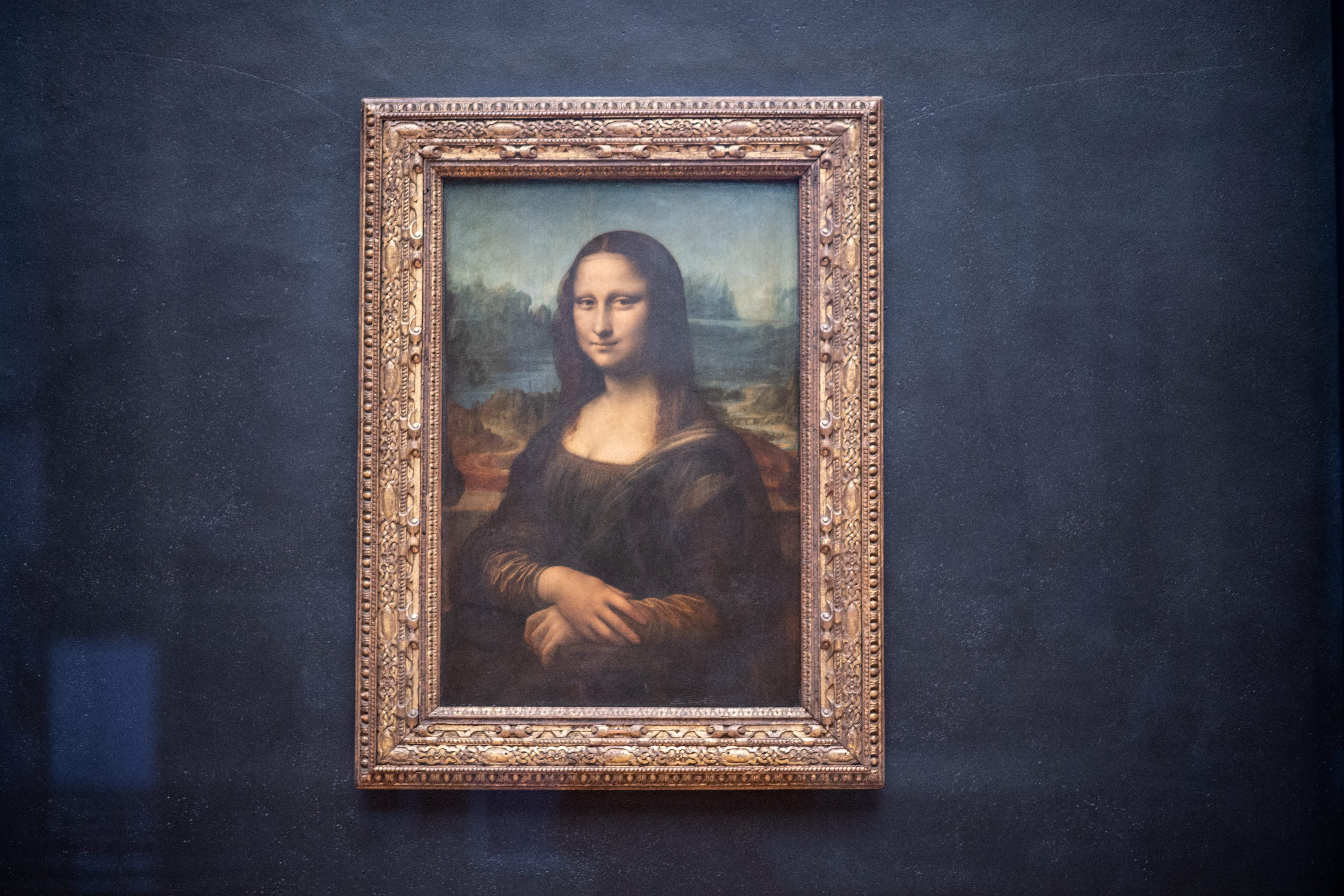
According to The Sun: A small painting with a huge profile, Mona Lisa is a status symbol in the art world.
It attracts millions of tourists to Paris every year, has become an integral part of pop culture, and raises many questions: who actually owns it and what is its value?
AFPLet’s consider these questions clearly and without extra words.
Who owns the Mona Lisa?
In short: the French state. It is not a billionaire, a museum patron, or a secret collector.
The Mona Lisa is national property of France and is housed in the Louvre Museum in Paris, representing the interests of the French Republic.
How did it happen? Leonardo da Vinci brought the painting to France in the 1510s, and King Francis I acquired it after the artist's death in 1519.
What was initially royal possession became national property after the French Revolution.
Today, under French inheritance law, this painting is inalienable — it cannot be sold, exchanged, or transferred to a private collection.
The Louvre does not 'own' it in a commercial sense; the museum is its custodian.
France is the sole owner. Period.
This also explains why the painting does not leave the Louvre. The Mona Lisa no longer travels. It is behind multi-layered glass in a specially designed climate-controlled container, protected like a national treasure.
If you want to see it, you will have to go to Paris. It is important to note: it is not a commodity, but a cultural heritage.
What is the worth of the Mona Lisa?
The Mona Lisa has an official base value: in 1962, before a major American tour, it was valued at insurance value of 100 million dollars.
Guinness World Records still lists this figure as the highest insurance policy ever written on a painting.
Considering inflation, this amount is now estimated to be approximately one billion dollars, depending on the index and year of use.
Estimates of its worth range from approximately 860 million to over 1.1 billion dollars.
Could it be sold at this value?
If it were ever allowed to be exhibited on the open market, it would break all auction records.
For comparison, the highest officially registered price for a painting is 450.3 million dollars for 'Salvator Mundi', a work attributed (controversially) to Leonardo da Vinci.
The Mona Lisa is not just a 'work' of Leonardo; it is the most famous painting in the world.
Its brand power is unmatched and would surpass this record.
But here’s the sad reality: the Mona Lisa is not for sale, and this makes any precise evaluation hypothetical.
Since it is a state, inalienable masterpiece, its market value really does not matter.
This is why discussions about insurance today make no sense — the painting does not leave the Louvre, therefore ordinary tourist insurance is unnecessary, and state collections are effectively self-insured.
So how do experts consider value in this context?
- Insurance value: This bureaucratic figure is used to cover risks during staff travels. For the Mona Lisa, this base value of 100 million dollars from 1962 remains a well-known reference point.
- Market value: What someone is willing to pay at auction. For the Mona Lisa, this is theoretical — and likely over 1 billion.
- Cultural and economic value: This is the real 'punch'. The magnetic power of the painting brings significant economic impact for France and the Louvre, affecting tourism, sponsorship programs, and global soft power.
Moreover, there is a popular myth: you cannot 'calculate' the worth of the Mona Lisa by adding up materials and labor costs of Leonardo.
This logic applies to crafts, not cultural icons.
The worth of the painting is determined by rarity, authorship, condition, scholarly research, mythology (including its theft in 1911), and its central role in our collective imagination.
Financially, the only historical benchmark is the 1962 insurance value of 100 million dollars — approximately equivalent to 1 billion dollars in today’s money.
Realistically, if it were ever to be sold (which won't happen), expect a figure that would redefine the boundaries of the art market.
So: the owner is France, with an estimated 1 billion on paper — and truly priceless in the only sense that makes sense.
Read also
- Fuel shortages and drone strikes stall Russian troops near Kupiansk
- Zelensky Urges No Shortage of Patriot Missiles After July 23 Attack: Key Details
- Over 80 Russian Strikes Hit Nova Poshta: Casualty and Injury Toll Revealed
- Russian Attacks in Donetsk Region Expected to Intensify, Warns Ukrainian General Malomuzh—Here Are the Occupiers' Targets
- Ukraine Ramps Up Drone and Missile Production: Inside the 'DeepStrike' Program
- German Forces Join NATO's 'Eastern Shield' Initiative to Reinforce Border Defenses