The Collapse of the Russian Economy is Possible by 2026: What Analysis from The Washington Post Showed.

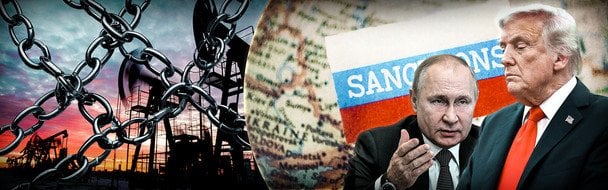
According to ТСН: The economy of Russia continues to finance military expenditures, but there are forecasts of its possible collapse in 2026.
Analysts note that despite statements from US President Donald Trump about Russia's advantages in the war with Ukraine, the economic positions of the Kremlin are currently very weak. A large portion of financial reserves and borrowed funds has already been spent, undermining Russia's ability to finance military operations.
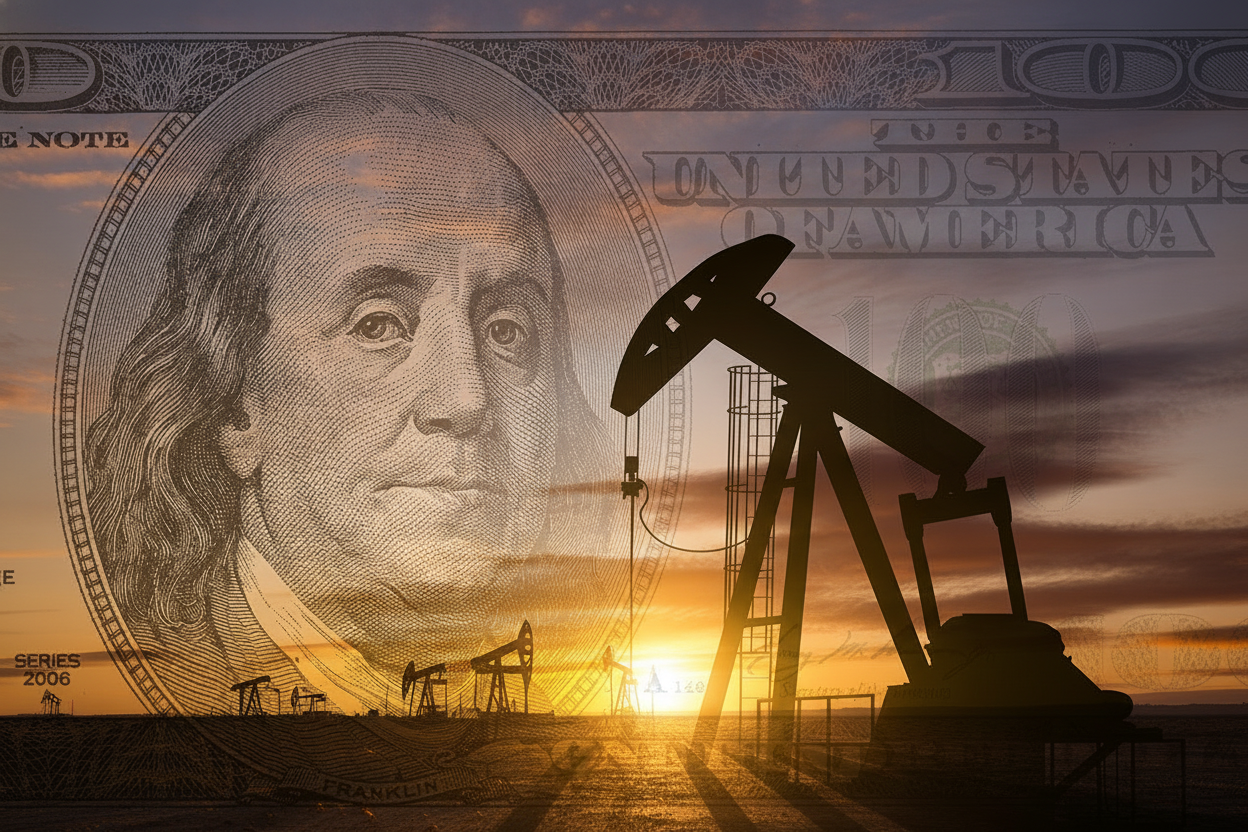
The situation is likely to worsen due to new strict sanctions on the Russian oil sector, increasing the risk of a banking crisis next year, even if Putin remains tough in negotiations.
“A banking crisis is possible. ... A default crisis may also occur. I don’t want to think about the continuation of the war or escalation,” said one Russian official who wished to remain anonymous.
At a meeting in London, French President Emmanuel Macron noted that the sanctions are putting pressure on the Russian economy.
“We must continue these efforts and maintain the pressure,” he said.
According to Reuters, revenues from oil and gas, critical for the budget, could decrease by 49% in December compared to last year due to new sanctions and falling oil prices. This may lead to a deepening budget deficit, although military expenditures have reached a record level of 149 billion dollars in the first three quarters of the year.
“The oil extraction industry is sliding into crisis, and the latest sanctions will accelerate this process,” said Craig Kennedy, former vice-chairman of Bank of America Merrill Lynch.
Spending Problems
Even before the new sanctions, the Russian economy was already in a state of recession. The Central Bank of Russia raised interest rates to over 20% to curb inflation.
Although rates are now lowered to 16.5%, this still imposes a serious burden on businesses and their financial reserves. As a result, investments have stalled, and production in some sectors has sharply decreased, contributing to an increase in defaults.
“The Russian economy benefited from many positive factors, such as high world prices for raw materials... It is now in the worst position since the beginning of the war,” said Yanis Kluge, economist at the German Institute for International and Security Affairs.
Debt Problems
Economists note that mass crediting in Russia over the past three years has led to serious problems in the banking system. Official data indicates that the share of problem loans in the corporate sector is about 5%, but this figure does not take into account the military-industrial complex.
Credit to the defense sector accounts for about 25% of corporate ruble loans totaling just over 202 billion dollars.
“This is a large black pool of poorly regulated, non-transparent debt,” Kennedy noted.
Russian bankers are expressing concern over the growing level of problem loans in the system. Alexander Shokhin, head of the Russian Union of Industrialists and Entrepreneurs, warned about a situation close to default for many companies.
According to data from the analytical center, Russia may face a systemic banking crisis by October 2026 if the indicators of problem loans continue to rise.
The company “Gazprom,” once a driving force of the economy, incurred net losses of 12.9 billion dollars last year and has spent its reserves, decreasing from 27 billion dollars to 6-8 billion.
General Difficulties
Economic difficulties are beginning to affect the lives of ordinary Russians. Consumers are cutting back on spending, including on clothing by 8.7%, household goods by 8.8%, and on health and beauty by 5.9% year-on-year.
Lack of Protests
Despite the rising economic difficulties, the Moscow elite do not see signs that this will lead to social unrest.
“The growth of economic problems will not lead to social or political conflicts,” noted a Russian scholar close to high-ranking circles in the Kremlin.
It should be noted that the European Union has extended its economic sanctions against Russia.
Thus, the economic challenges currently facing Russia are increasing, and despite military expenditures, forecasts for future economic development look bleak. Under conditions of rising external pressure and internal difficulties, the country may face serious financial problems that will have consequences for both the state and its citizens.
Read also
- Russia’s agricultural sector hits an eight-year low: what went wrong
- Shortages of Salt, Sugar, and Grains Hit Crimea as Suppliers Hike Prices
- Strawberry Prices in Ukraine See Sharp Drop: What a Kilogram Costs as of June 11
- Seasonal fruit prices in Odesa shock shoppers: cherries and apricots exceed 200 hryvnia per kilogram
- Water Tariffs Surge Across Ukraine Starting June 1: What Residents in Major Cities Will Pay
- Ukraine Strikes Russian Targets 658 Times, Inflicting $18 Billion in Damages