Forgotten Android Features — 5 Functions that Disappeared Without a Trace.
23.07.2025
1011

Journalist
Shostal Oleksandr
23.07.2025
1011
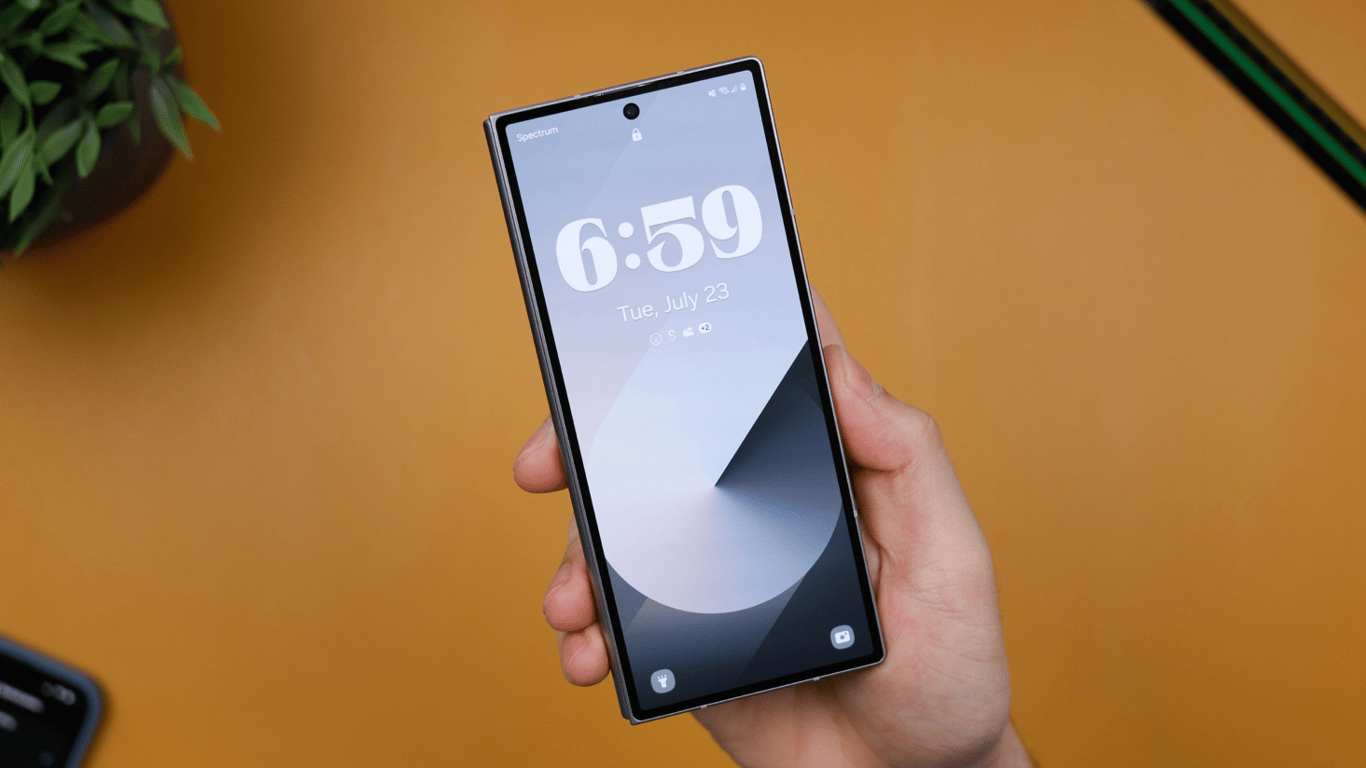
With each update, Android brings new capabilities, but at the same time, it loses some old features. Most popular Google functionalities have already been replaced. This is reported by SlashGear.
Live FoldersOne of the first features of Android 1.5 Cupcake was the ability to display contacts, emails, and other data on the home screen without opening apps. With the advent of Android 4 Ice Cream Sandwich, this option was replaced by more flexible and attractive widgets that bring the same idea but in an improved form.
Android BeamThe NFC feature introduced with Android 4.0 allowed users to share links, contacts, photos, and videos simply by touching two devices. However, with the release of Android 10, Google discontinued Beam support, offering similar functionalities from third-party developers instead.
Miracast SupportIn Android 4.2, the ability to mirror screens to TVs via Miracast was built in. However, in Android 6 Marshmallow, Google began using its own Chromecast standard, and Miracast remained available only through third-party solutions.
Widgets on the Lock ScreenIntroduced in Android 4.2, widgets allowed displaying emails, messages, and a clock on the lock screen immediately after waking up. However, after Android 5 Lollipop, Google discontinued this feature due to potential privacy risks. The company is now preparing to bring them back, starting with the Pixel Tablet and Android 16 Baklava.
IR BlasterSupport for infrared transmitters appeared in Android 4.4 KitKat, but it was unpopular and used by devices with an IR laser. With the advancement of Bluetooth and Wi-Fi control, the popularity of IR ports declined, and Google ceased support for this feature.In the new Android update, users will have the opportunity to take advantage of new features that compensate for the loss of some old options. Many replaced features were intended to improve convenience or restore user privacy. The advancement of technologies leads to changes in the functionalities of operating systems to adapt to modern needs.
Read also
- Antique Musket Balls Repurposed Into Solar Cells with 94% Efficiency
- South Korea Patents a Silent Engine for Air Taxis
- 144 FPS at 4K: A Gamer Pairs an RTX 3090 and RTX 3050 for Stunning Performance
- Snapdragon 8 Elite Gen 5: Qualcomm’s New Chip Targets Sub-$600 Smartphones
- Samsung Unveils Three New Odyssey Gaming Monitors: Specs and Features Revealed
- Plastic Waste Converted into Jet Fuel: New Breakthrough by Chinese Researchers