A Global Prehistoric Culture? How Universal Symbols Are Rewriting Human History.

Universal Symbols Point to a Forgotten Global Culture
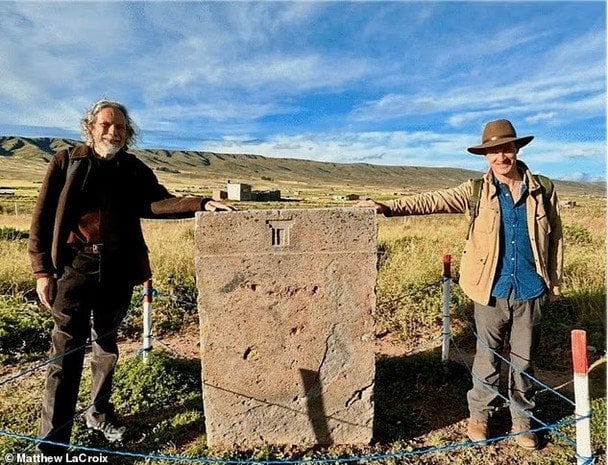
According to TSN.ua: Researcher Matthew LaCroix has presented evidence suggesting a lost, advanced global civilization predating all known historical epochs. His work focuses on a set of identical symbols and architectural structures found at ancient sites across the globe, from Turkey and Egypt to South America and Cambodia. This theory challenges the conventional timeline of human civilization, proposing a far more interconnected ancient world than previously believed.
LaCroix identifies several core motifs that consistently appear at these disparate sites:
- T-shaped stone formations
- Three-tiered recesses
- Stepped pyramids
- Inverted pyramids
- Depictions of lions
- Complex geometric symbols
He places particular emphasis on the Lake Van region in eastern Turkey, known as Ionia, which he posits as a potential origin point for these architectural and symbolic blueprints before they spread worldwide.
LaCroix further claims that the original Sphinx structure dates back approximately 38,000 years. If true, this would mean Egyptian monuments, including the Sphinx and the pyramids of Khafre and Menkaure, are vastly older than mainstream Egyptology accepts. He notes strikingly similar motifs in South American architecture, specifically at the Tiwanaku and Puma Punku complexes in Bolivia.
The 'Cosmogram' and Academic Scrutiny
A central pillar of LaCroix's interpretation is his concept of a "cosmogram," a symbolic map he believes these cultures shared. It is crucial to note, however, that his claims are not supported by the mainstream academic community. While his research has generated public interest, especially with new archaeological discoveries, it is met with significant skepticism from scholars who require rigorous peer-reviewed evidence.
Matthew LaCroix's work could potentially reshape our understanding of human history and civilizational development by questioning established timelines. Nevertheless, confirming these theories will require substantial additional archaeological evidence and scientific debate. Such provocative ideas must be examined within the context of rigorous academic criticism and verification to avoid oversimplifying the complex tapestry of human prehistory.
Read also
- Out of 207 Russian Drones, Ukraine’s Defense Forces Downed 181: Inside the Night Assault of June 10
- Mass Drone Strike Hits Sumy Region: Two Dead, One Injured
- Dozens Injured as Russian Drones Strike Four Ukrainian Cities
- Supreme Leader of Iran Killed as U.S. Launches Military Operation
- Ukraine’s Air Defense Neutralizes 181 of 207 Drones in Overnight Assault on June 10
- Ukrainian Armed Forces Set a Record: Over 8,600 Enemy Vehicles Destroyed in May