Moscow Attack on GRU General: Implications Following Abu Dhabi Talks.

Moscow Attack on GRU General: Implications Following Abu Dhabi Talks
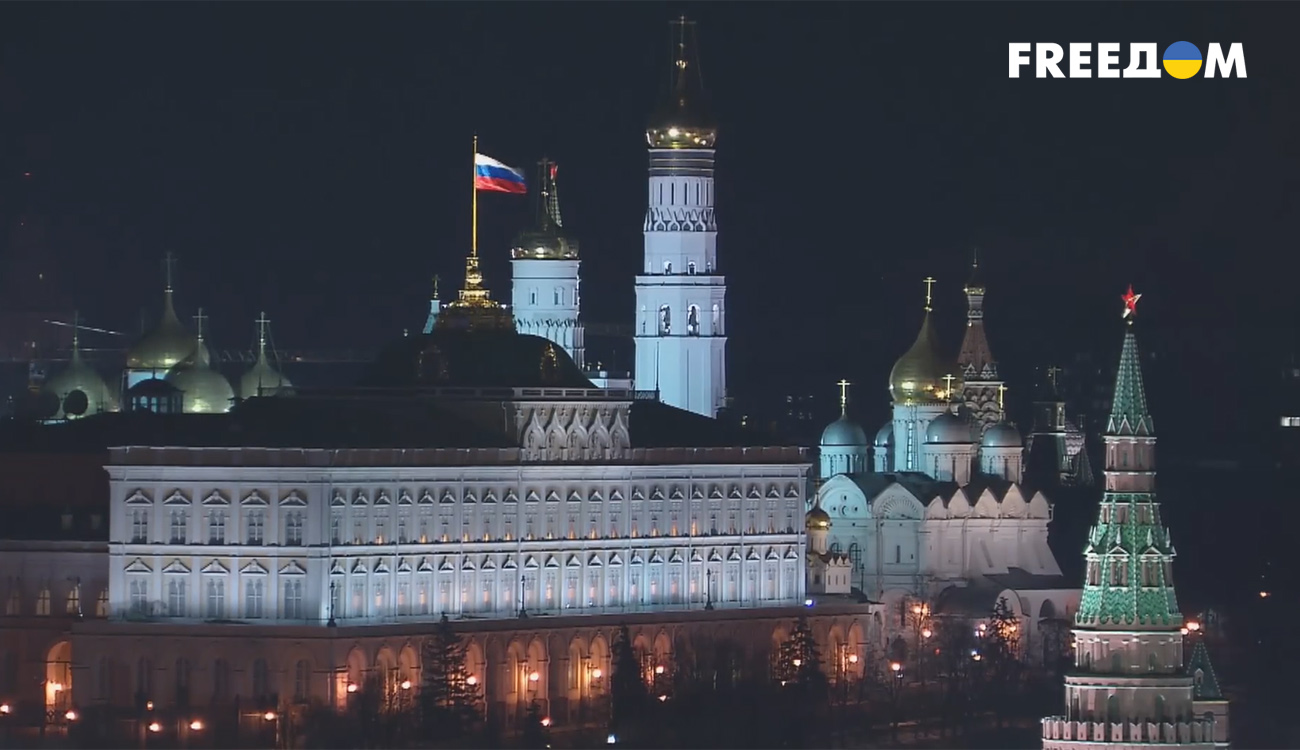
According to UATV: On February 6, 2023, an assassination attempt was made in Moscow against Major General Vladimir Alexeyev, deputy head of Russia's Main Intelligence Directorate (GRU). This incident occurred just one day after trilateral talks in Abu Dhabi involving teams from Ukraine, the United States, and Russia. The Kremlin, for its part, refuses to recognize any security guarantees for Ukraine, a position reaffirmed by Foreign Minister Sergey Lavrov. This attack on a senior intelligence official comes amid heightened tensions following Russia's full-scale invasion of Ukraine.
Vladimir Alexeyev, considered a protégé of former Defense Minister Sergei Shoigu, has extensive experience in military intelligence. His activities have drawn international sanctions: the US sanctioned him in 2016 for election interference, and the European Union followed in 2019 for his alleged role in the Skripal poisonings. Alexeyev also oversaw operations in Syria that resulted in civilian casualties.
Reactions to the Assassination Attempt
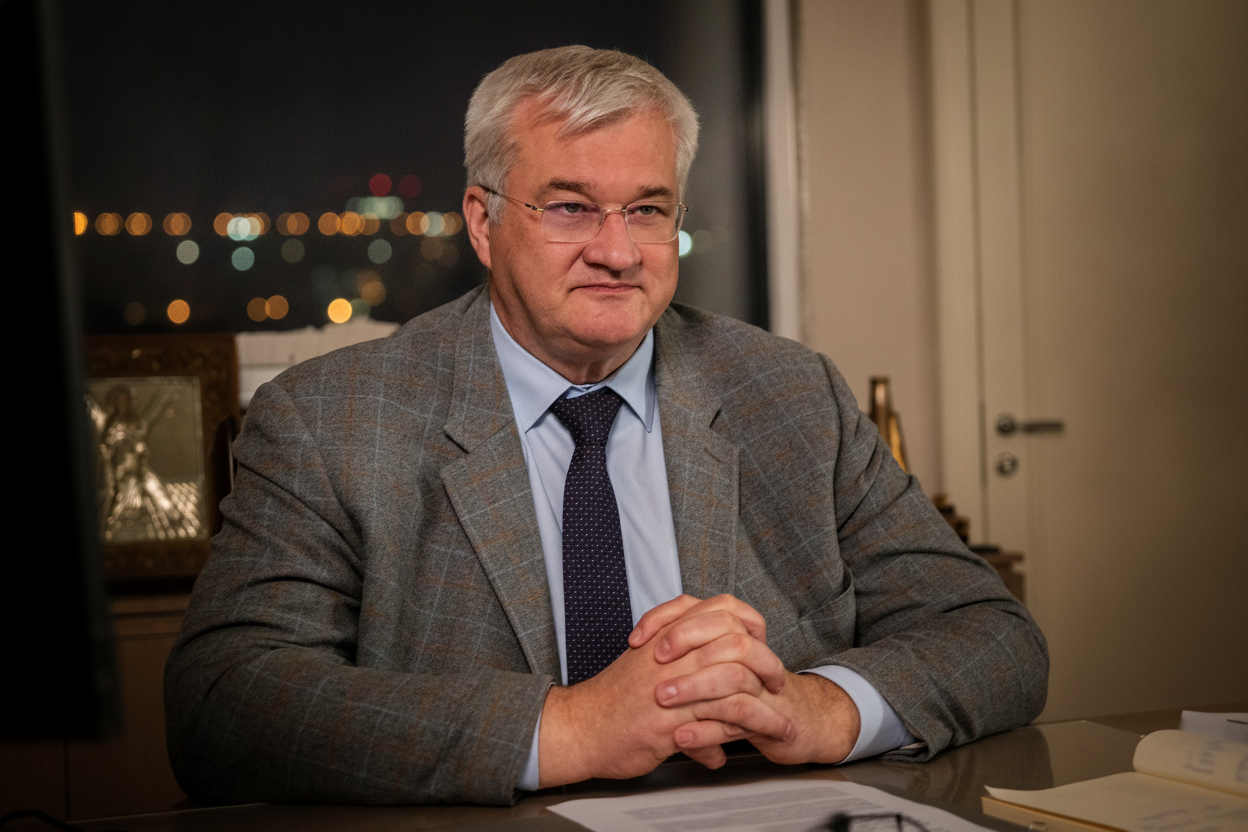
Following the attack on Alexeyev, Ukrainian Foreign Minister Andrii Sybiha denied any Ukrainian involvement. Meanwhile, analysts have suggested the attempt could be a provocation orchestrated by Russian security services. As expert Alexander Musienko noted:
'The attempt on the life of a Russian general, the deputy head of the GRU in Moscow, looks like a provocation by Russian special services.' - Alexander Musienko
Ukraine's Main Intelligence Directorate also stated that 'Alexeyev is responsible for the intelligence support of Russian aggression against Ukraine.'
Consequently, the attack on Major General Alexeyev marks a significant event with potential repercussions for regional relations, especially in light of the recent Abu Dhabi negotiations and the Kremlin's rejection of security guarantees for Ukraine. This incident could influence Russia's internal politics and foreign relations, highlighting regional tensions and raising questions about the stability of the Russian military elite. The international community's response may further alter the dynamics of security negotiations concerning Ukraine.
Read also
- Support from Azov and Military Leaders Boosts Defense Minister Candidate Klymenko
- Kyiv Meeting: Sybiha and Fidan Link Black Sea Security to Crimea’s Return
- After Six Months of Silence, Mykhailo Fedorov Finally Responds to Mobilization Criticism
- Fedorov Turns Down Presidential Advisor Role, Weighs In on Defense Ministry Turmoil
- Keir Starmer Awarded Order of Freedom: What the UK Premier Accomplished During His Kyiv Visit
- Three Core Priorities for the New Government, According to Koretsky