Why the 20-80% Charging Rule No Longer Applies to Smartphones in 2026.

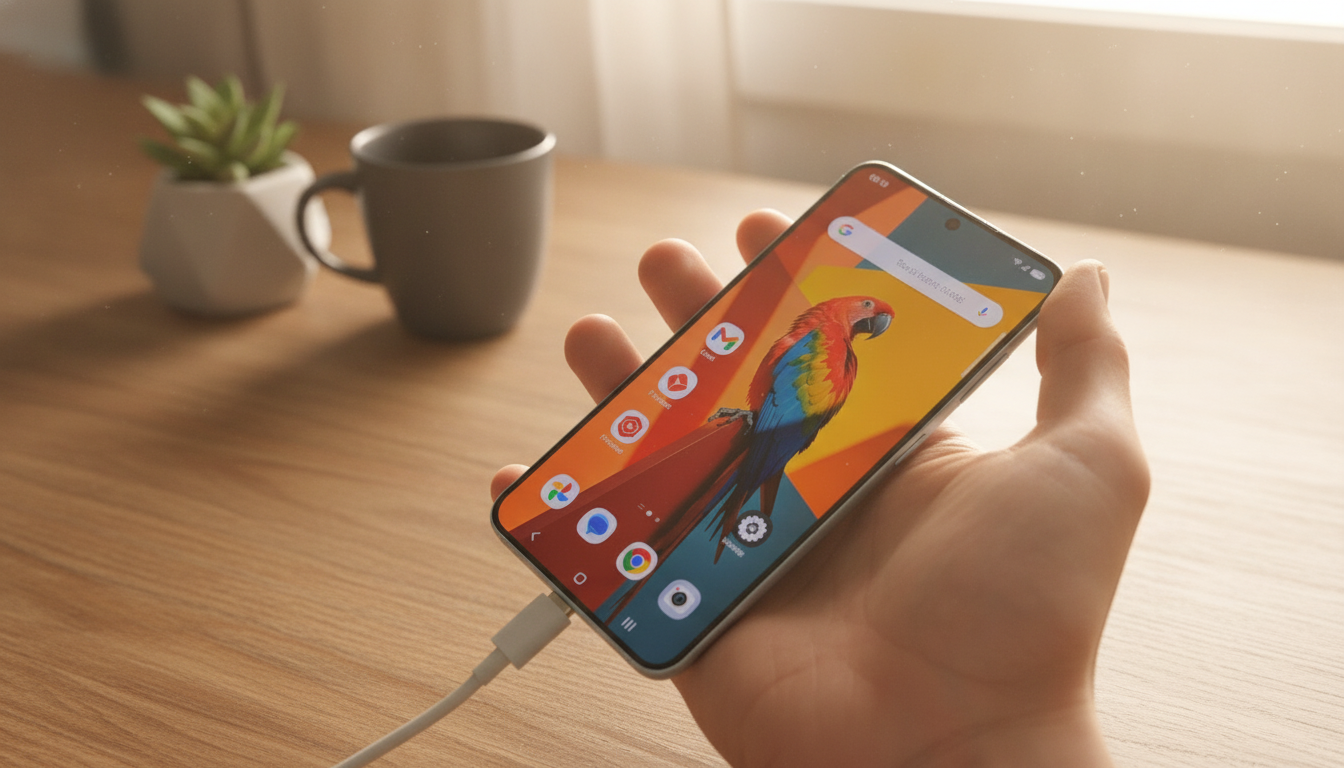
How Smartphone Charging Guidelines Are Evolving
According to Novyny.live: By 2026, the long-standing advice to keep smartphone batteries between 20% and 80% charge has become outdated. New recommendations shift the focus to temperature as the critical factor in battery degradation. It is now known that exposure to temperatures above 40–45°C significantly accelerates battery wear, potentially reducing its overall lifespan.
What Really Causes Battery Wear
Overheating during charging or heavy use is one of the main drivers of battery deterioration. This becomes especially damaging when users play demanding 3D games while the phone is plugged in, generating extra heat. To keep the battery in good condition, it is essential to avoid overheating—for example, by not leaving the phone in direct sunlight, as this can harm both performance and longevity.
As a result, smartphone owners need to adopt new habits. Paying close attention to temperature conditions and preventing overheating are now the key strategies for preserving battery health. This shift underscores the importance of adapting to updated guidelines to extend the life of modern devices.
In light of these new recommendations, users should reconsider their charging and usage routines. Adjusting to temperature-aware practices and avoiding excessive heat will not only help protect the battery but also improve overall device performance. These changes highlight the need for careful attention to the technical aspects of using today’s gadgets, ensuring they remain efficient and durable over time.
Read also
- Turn Your Old Phone Into a Smart Display: Inside the New ScreenWall Web Platform
- Speed Record Set by Bombardier Global 8000: Los Angeles to Farnborough in Just 8 Hours 46 Minutes
- A New Augmented Reality Platform Lets You Read and Build 3D Comics
- How Artificial Intelligence Is Unlocking Billions in Real Estate Value
- Ukraine’s Air Defense Gets a Boost: New 'Hot Dog' Drone Takes Down Over 300 Targets
- Windows That Generate Power Even at Night: A New Solar Innovation