The Hidden Sugar Trap: How to Spot Deceptive 'Healthy' Foods.

Are These Foods Truly Healthy or a Hidden Threat?
According to TSN.ua: In today's market, numerous products are marketed as healthy choices, yet they often conceal surprisingly high levels of sugar and other undesirable ingredients. This article examines several popular items commonly perceived as nutritious and provides practical advice for identifying their true content. Navigating supermarket aisles requires a critical eye, as marketing claims can be misleading.
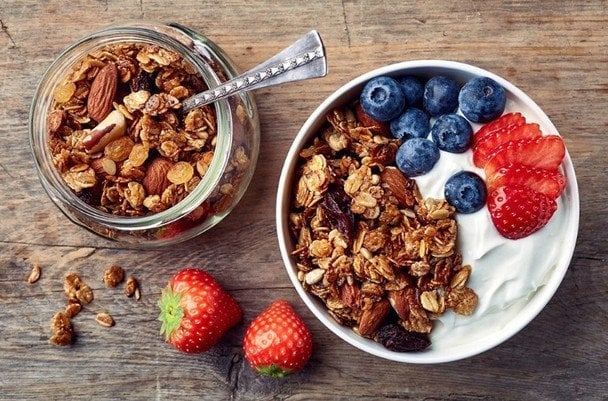
Fitness bars and protein snacks, promoted as ideal for a quick energy boost, can pack between 20 and 30 grams of sugar. To put that in perspective, a standard Snickers bar contains 27 grams of sugar. The issue is even more pronounced with granola, which may contain 60 to 70 grams of sugar. These figures reveal that many so-called 'health' foods may offer little nutritional advantage over conventional treats.
Uncovering Sugar Where You Least Expect It
Low-fat dairy products are another common source of hidden sugar. A serving of fat-free yogurt can contain up to 20 grams of sugar, compared to just 4-5 grams in plain Greek yogurt. Fruit juices and smoothies, often viewed as natural and wholesome, are similarly problematic. For instance, a single glass of orange juice is the concentrated equivalent of six oranges but lacks the beneficial fiber, while some smoothies can contain as much as 50 grams of sugar.
Plant-based milk alternatives like oat or almond milk can also harbor added sugars. Oat milk may have a high glycemic index due to these additions, and some almond milk products consist of only 2% almonds. It's crucial to scrutinize labels carefully, as a 'no sugar added' claim doesn't guarantee the product is free from sweeteners. Sugar can be disguised under many different names on ingredient lists, making it difficult to spot.
Even whole-grain products, widely regarded as a healthy staple, might contain as little as 10% actual whole-grain flour. This data underscores the importance of a diligent approach to food selection. Consumers must learn to distinguish genuinely nutritious items from those that merely appear healthy.
- Fitness bars and protein snacks
- Low-fat dairy products
- Fruit juices and smoothies
- Plant-based milk alternatives
- Whole-grain products
Shoppers must exercise caution and learn to read nutrition labels meticulously to avoid potential negative health impacts.
This knowledge is vital for anyone aiming to maintain a healthy lifestyle, as informed food choices directly influence overall well-being. Understanding the sugar content and ingredient composition of everyday products helps prevent dietary pitfalls, promotes better nutrition, and can reduce the long-term risk of developing chronic health conditions.
Read also
- New Drug Doubles Survival in Pancreatic Cancer Patients: A Breakthrough in Treatment
- Flesh-Eating Parasite Discovered in Texas for First Time Since the 1980s—What It Means for the U.S
- Bacteria on Paper Money: How Long They Survive, Warns Doctor
- Military Personnel and Veterans Eligible for Spa Stay Reimbursements: What You Need to Know
- A Powerful G3-Class Geomagnetic Storm to Hit Earth on June 5: What It Means for You
- Troops May Face Repeat Medical Boards: Key Wording in Health Certificates