Geneva Talks on February 17: Key Issues for Ukraine, Russia, and the U.S. Regarding Donetsk.

Third Round of Geneva Talks
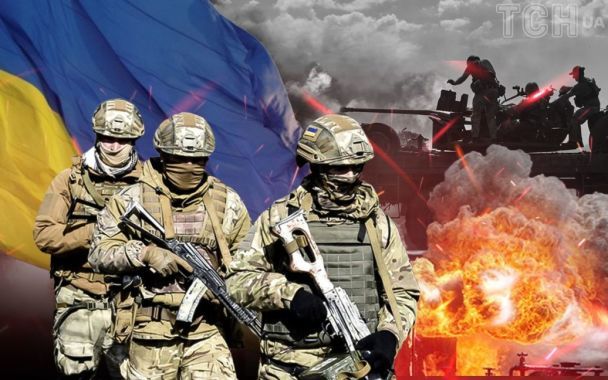
According to TSN.ua: A third round of trilateral talks involving Ukraine, Russia, and the United States will commence in Geneva on February 17. The primary focus of these discussions will be the future status of territories within Ukraine's Donetsk region. Prospects for a swift end to the war, now entering its fifth year, are considered low. These talks represent a critical diplomatic effort to address one of Europe's most protracted and violent conflicts in recent decades.
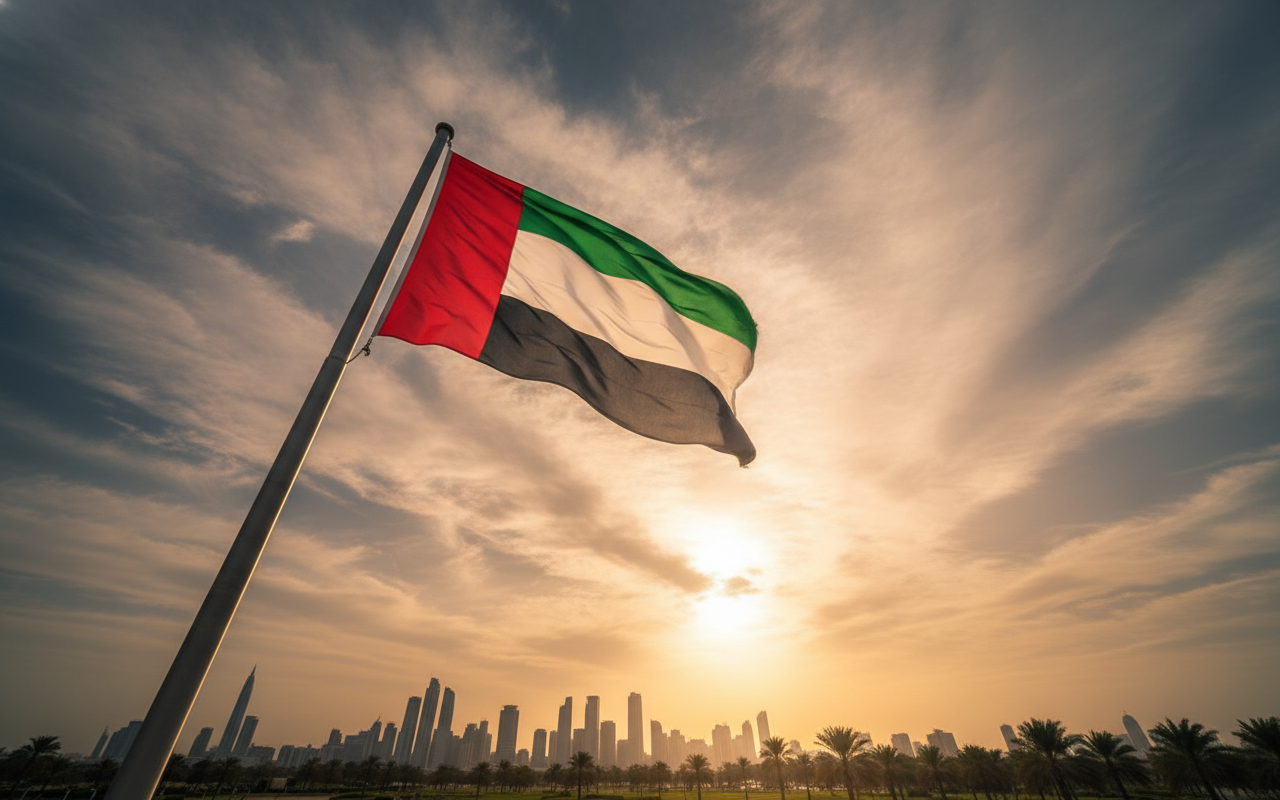
Two previous negotiation rounds were held in the United Arab Emirates. The Ukrainian delegation will include Rustem Umerov and Kyrylo Budanov, while Russia will be represented by Vladimir Medinsky and officials from its military intelligence agency. Ukrainian President Volodymyr Zelenskyy has called for the United States to take active steps regarding security guarantees. He stressed that
"making any concession to the aggressor is a grave mistake"and noted that
"Moscow's aggression complicates dialogue,"urging partners to take decisive action to force the aggressor toward peace.
Stances and Expectations of the Parties
For his part, Russian President Vladimir Putin is demanding the transfer of part of the Donetsk region to Moscow's control. These fundamental disagreements between Ukraine and Russia are central to the success of the negotiation process. Meanwhile, Donald Trump has expressed the view that "Ukraine should join the negotiation process as soon as possible."
The Geneva negotiations, scheduled for February 17-18, could prove decisive for the future of the region. However, given the recent statements and entrenched positions of the parties, it is difficult to predict whether significant progress can be achieved. The talks occur against the backdrop of a prolonged conflict in Ukraine, underscoring the importance of international efforts to secure peace. Expectations are high, as the outcome could influence the trajectory of events in the region, yet the deep divisions and complex historical context of the conflict point to the immense difficulty of reaching an agreement.
Read also
- Ukraine Extends Strike Range to 2,000 km: Which Russian Targets Have Been Hit
- Over $3 Billion Unlocked for Iran by UAE in Deal to Halt Attacks
- Western Intelligence Assesses Iran's Remaining Missile Capabilities
- $24 Billion in Frozen Iranian Assets Could Go to U.S. Allies: Key Details on the Proposed Deal
- Why the Kremlin Has Stepped Up Oreshnik Strikes: Russia Faces Reputational Damage in 2026
- Abramovich’s Role in Talks Exposed by Rybachuk: Putin’s Key Question for Zelenskyy