A Ukrainian Woman in Norway: When +17°C Is Considered a Heatwave and Doctors Prescribe Lamps.

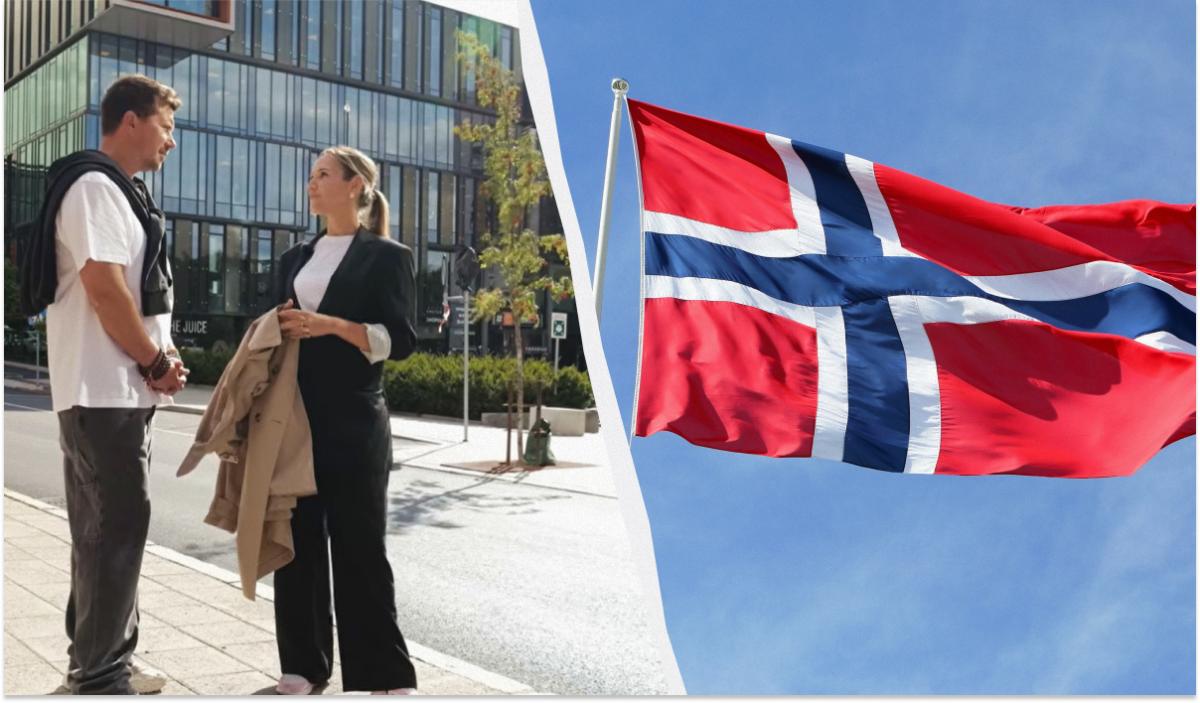
Julia's Journey of Adaptation in Norway
According to Tourism.d.ua — Туризм: Having moved to Norway many years ago, Julia—a Ukrainian originally from Crimea—shares what it’s really like to settle into a new country. Her story covers everything from the climate and local mindset to work life and raising children. Julia’s experience stands apart from that of Ukrainians living elsewhere in Europe, shaped by Norway’s unique environment and culture.
Summers in Norway are mild, with comfortable temperatures around +17°C, while winter brings only a few hours of daylight each day. To combat vitamin D deficiency, Norwegian doctors often prescribe supplements and daylight lamps. This is a key part of life in a northern climate where sunlight is scarce.
Work and Childcare
Julia works in the IT sector and earned her degree at a local university. Housing in Norway is expensive, and most people buy homes through mortgages. Daycare centers are affordable and open nearly all day—a major advantage for working parents. However, while healthcare is accessible, waiting times for a doctor’s appointment can stretch for months, posing a challenge for many residents.
Julia also compares her situation with other Ukrainians in Europe. For instance, Liudmyla has been living in Germany for four years, and Daria shares tips for moving to Romania. These stories highlight the diverse experiences of Ukrainians adapting to life abroad, showing how their journeys differ depending on the local context.
Julia’s experience, along with those of other Ukrainians who have relocated to various European countries, illustrates the complexity of adjusting to new living conditions.
Every country has its own quirks that shape an immigrant’s daily life—from weather patterns to social services. These accounts can be valuable for anyone planning a move, as they show that preparation and understanding local culture are crucial for successful integration. Moreover, the situation with healthcare access underscores the need to consider not just economic factors but also social ones when choosing a country to live in.
Read also
- Scotland to Host Trials of Hypersonic Jet Invictus: A Three-Hour Flight to Sydney
- A New 3,494-km Hiking Trail Called 'Wolf Track' Has Launched in Europe
- Survey Reveals Australia as the Top Global Destination for Wildlife Watching
- How to Plan the Perfect Trip with Elderly Parents: Lessons from a Tokyo Adventure
- A Polish Village of 987 Residents Welcomes 50,000 Tourists: What a Vacation Costs
- A British Journalist Conquered the World’s Tallest Arch in Missouri—Here’s What She Found