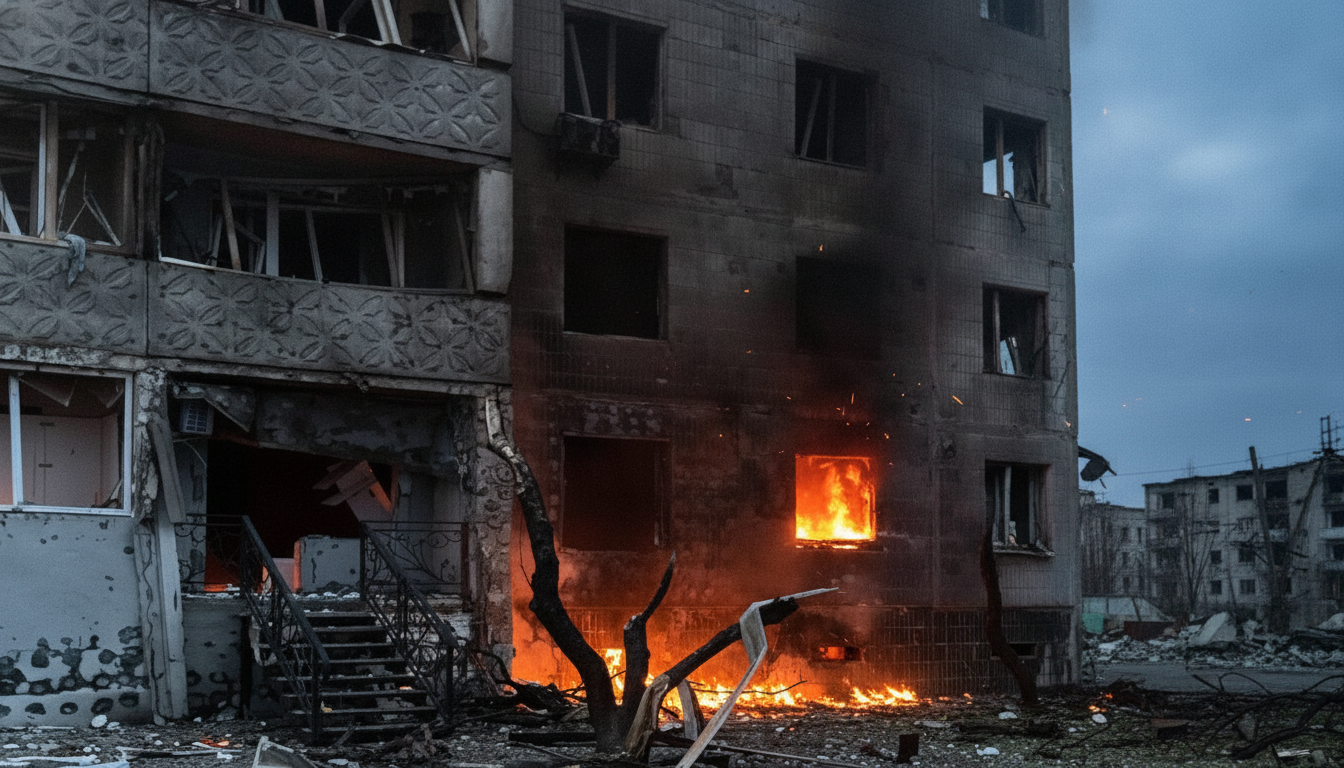
Ukrainian Forces Eliminate Russian Recruits Within 20 Minutes: Strikes on Bridges and River Crossings Detailed.

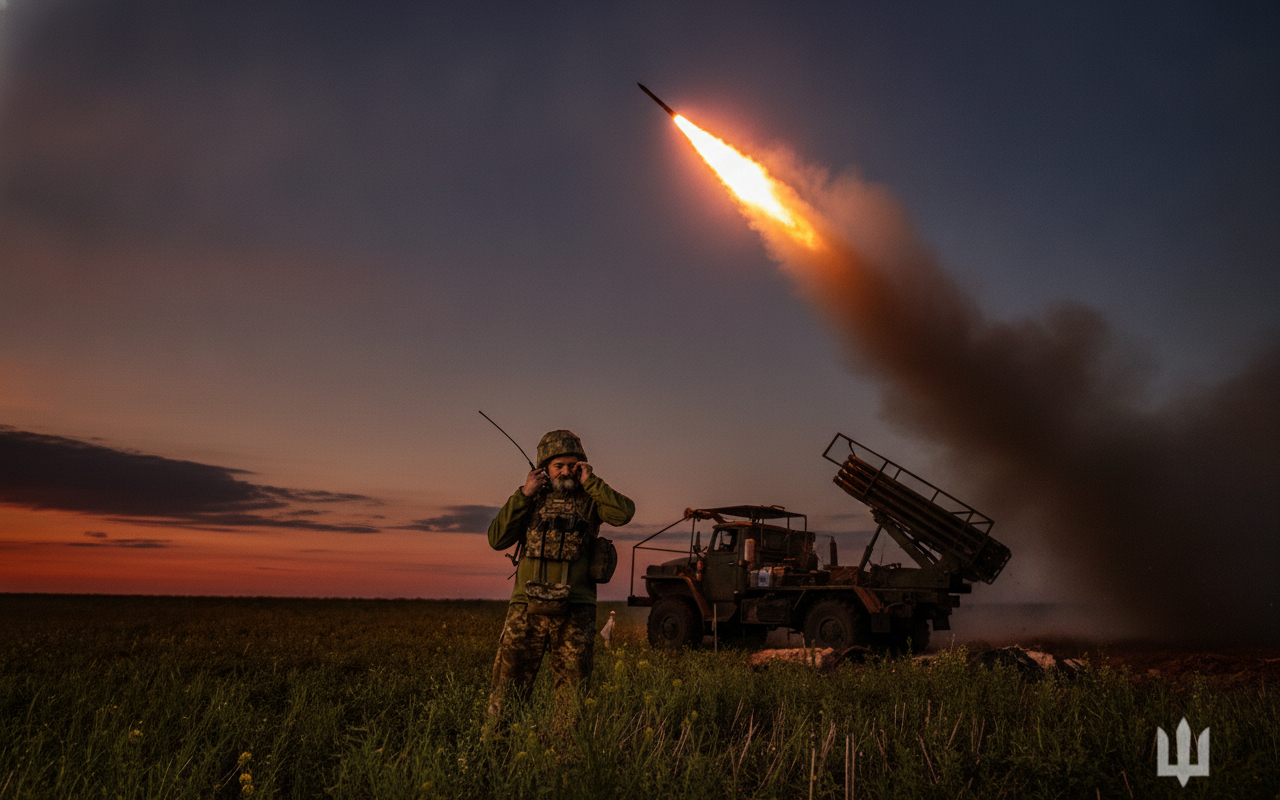
Frontline Combat Operations
According to UATV: Heavy fighting continues along the front lines, with Ukraine’s Defense Forces targeting key enemy military infrastructure. On June 28 and into the early hours of June 29, the Armed Forces of Ukraine struck several critical sites, destroying a vehicle crossing near Novoazovsk and two railway bridges in the Luhansk region. Over the past day, Russian troops launched 184 attacks on Ukrainian positions, including 21 combat engagements in the Huliaipole sector and 12 assaults that were repelled on the Kostiantynivka front.
Situation Analysis
An assessment of the situation reveals the extremely short survival time of newly mobilized Russian soldiers. According to reports, a fresh recruit on the front line lives an average of 20 to 35 minutes, while the span from a soldier’s arrival at a training ground to their elimination in battle ranges from 10 days to a few weeks. Since the start of the full-scale invasion, Russia has lost 1,402,000 personnel. In the last 24 hours alone, Ukrainian forces eliminated 1,230 occupiers, destroyed three tanks, nearly 50 artillery systems, and a dozen ground robotic complexes. Additionally, over 1,700 drones and more than 500 units of Russian automotive equipment were taken out.
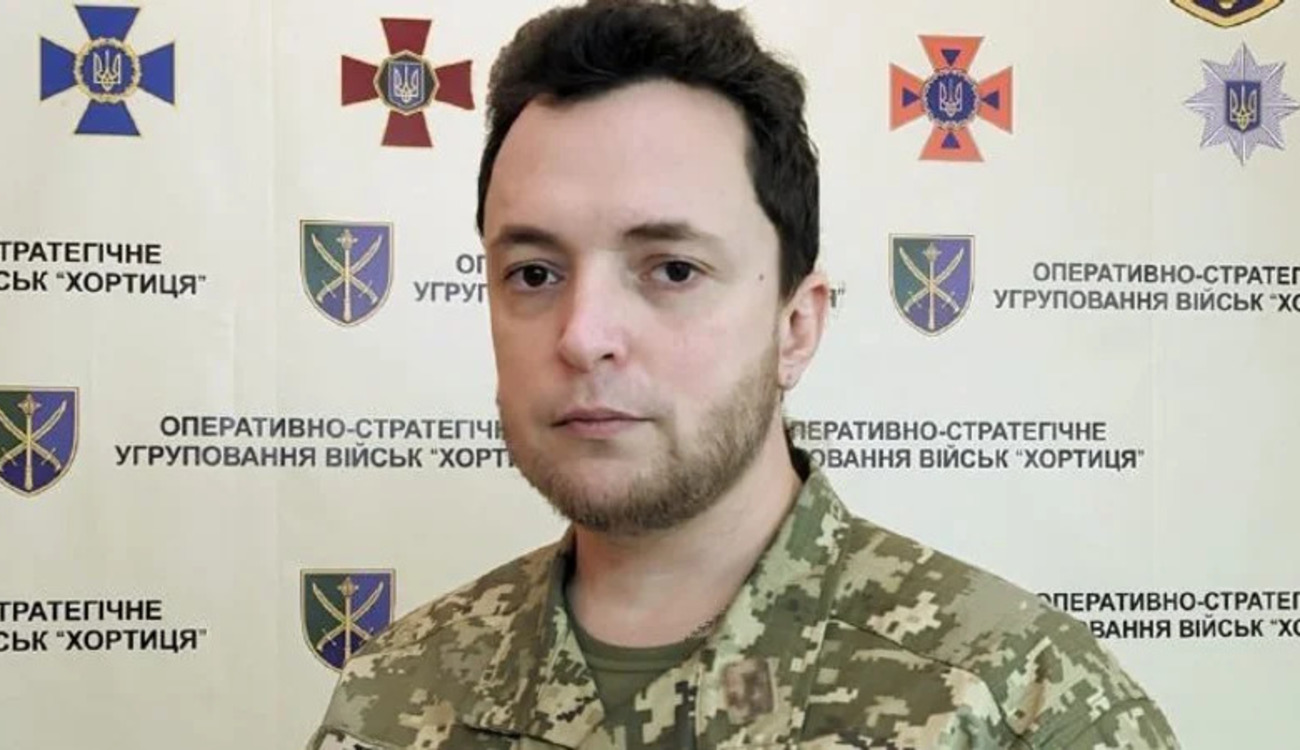
Crimea remains a vital strategic asset, as 'Crimea provides over-the-horizon reconnaissance, space communications, and airfields.'
Dmytro Pletenchuk
The frontline situation stays tense, with ongoing combat operations affecting both sides of the conflict.
The continuation of hostilities underscores the high level of tension in the region, where both sides strive to hold or expand their positions. The loss of key infrastructure—such as bridges and crossings—can severely impact Russian logistics, while Ukrainian forces keep striking enemy priority targets. These developments may signal a shift in the conflict’s dynamics, demanding constant monitoring and adaptation of military strategies by both parties.
Read also
- Russian Strikes Hit Six Ukrainian Regions, Leaving Dead and Dozens Wounded
- Ukrainian Forces Destroy 28 Tanks and 78 Artillery Systems in One Day: Russia's Latest Military Losses
- July 23 Russian Strike on Ukraine: How Many Targets Were Neutralized
- 13 Russian Vessels Destroyed by Ukrainian Drones in 48 Hours: Inside the 'MoLoChKa' Operation
- Russia Loses Up to 270 Soldiers Per Day on the Lyman Front, Setting a New Record
- Civilian Toll Rises: 11 Killed in Three Days as Russian Strikes Hit Hospitals and Homes