Smartphone Charging Myths Debunked: What Actually Damages Your Battery.

Debunking Smartphone Charging Myths
According to Novyny.live: Numerous misconceptions about how to charge smartphones can lead users to inadvertently harm their device's battery. This article examines five of the most common charging myths, explaining why they are false and identifying the real factors that contribute to battery degradation.
Common Misconceptions
-
Myth 1: Overnight charging is dangerous for your phone. Modern smartphones, however, are equipped with charge controllers that cut off power once the battery is full. This prevents overcharging, making it safe to leave your device plugged in overnight.
-
Myth 2: You should regularly drain your battery to 0% for calibration. In reality, frequent deep discharges can accelerate capacity loss in modern lithium-ion batteries. To maximize lifespan, it's better to avoid letting your battery run completely flat.
-
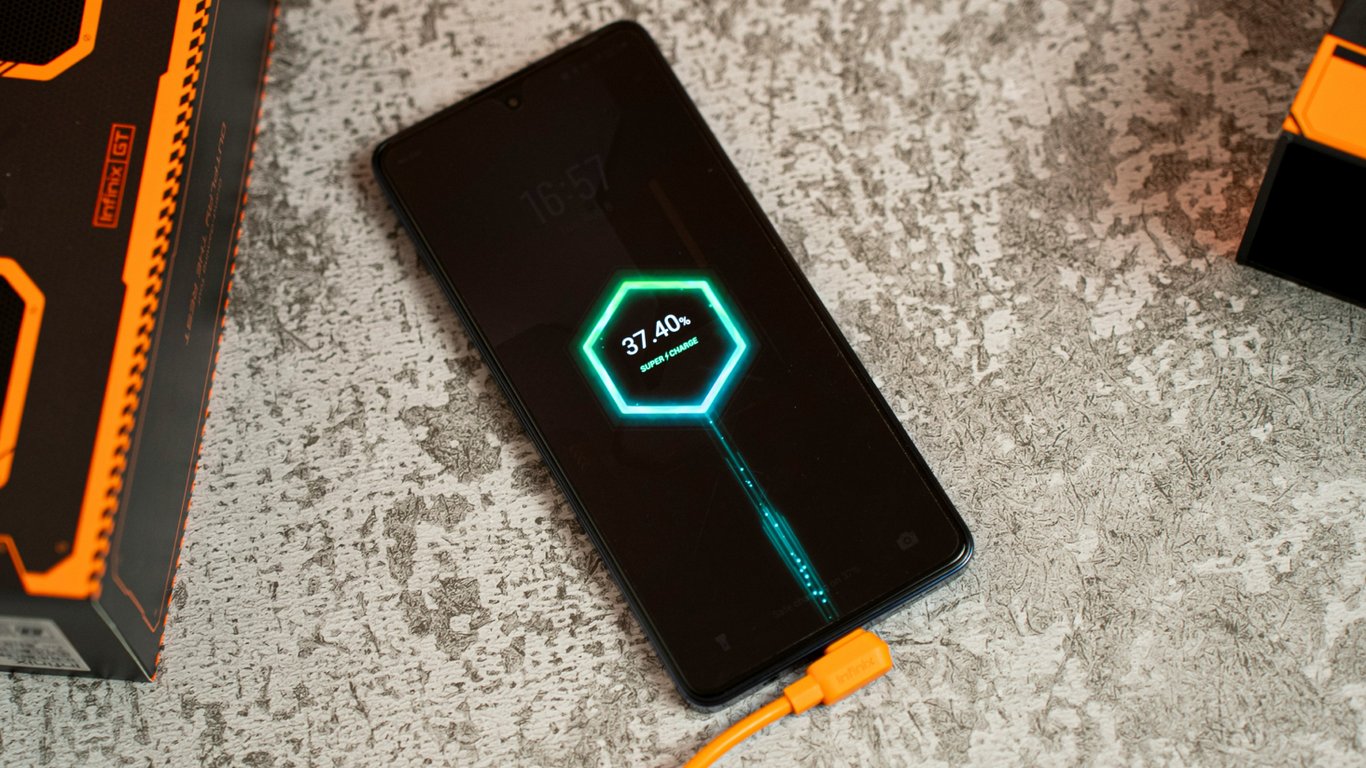
Myth 3: Fast charging damages the battery. Modern devices use sophisticated charging protocols designed to manage heat and power delivery. When using a manufacturer-approved charger, fast charging is generally safe and won't significantly harm battery health.
-
Myth 4: Only the original charger cable is safe to use. While quality varies, many reputable third-party cables from trusted brands perform just as well as the ones included in the box. The key is to avoid extremely cheap, uncertified accessories.
-
Myth 5: Using your phone while it charges is dangerous and can damage it. You can safely use your device while it's plugged in, though intensive tasks like gaming may cause it to heat up, which is a factor worth considering for long-term battery care.
Understanding the truth behind these myths can help users maintain their smartphone batteries more effectively and simplify daily tech use. Proper charging habits and a grasp of how modern batteries work can significantly extend a device's lifespan, reduce future problems, and save money on costly battery replacements or new phones. With battery technology constantly evolving, it's useful to know that today's lithium-ion batteries are more resilient than older types, but they still benefit from informed care.
Read also
- Snapdragon 8 Elite Gen 5: Qualcomm’s New Chip Targets Sub-$600 Smartphones
- Samsung Unveils Three New Odyssey Gaming Monitors: Specs and Features Revealed
- Plastic Waste Converted into Jet Fuel: New Breakthrough by Chinese Researchers
- First-Ever U.S. Manufacturing of Ukrainian MAGURA Drones: Key Details Emerge
- Google to Build America's Largest Solar Farm: 2.5 GW Facility to Power Data Centers
- Turn Your Old Phone Into a Smart Display: Inside the New ScreenWall Web Platform