The boom of data centers in the US is settling electricity bills: what awaits Ukrainians.

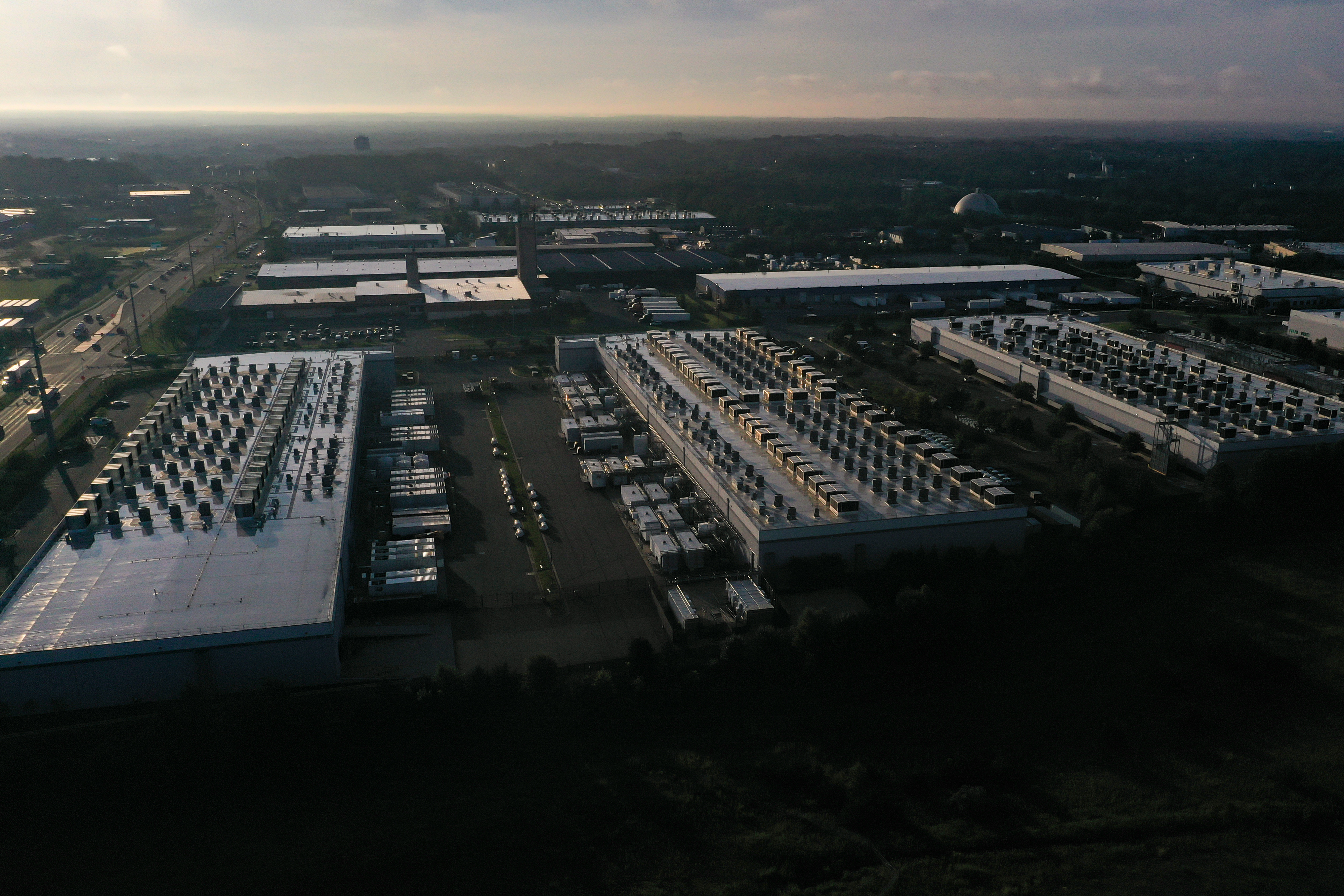
According to Vox: Your electricity bills are rising, and this is causing dissatisfaction. However, the reason is not someone’s decision, but rather that the increase in the number of data processing centers is one of the factors contributing to the rise in electricity prices.
In the US, there is a booming development of data centers: from 2021 to 2024, their number has nearly doubled and this growth does not stop. According to research by McKinsey & Company, by 2030 companies will spend 1.6 trillion dollars on equipment for data processing centers.
Not only existing facilities but also projects that have not yet been realized are raising electricity prices. These large buildings, which will consume huge amounts of electricity, are already impacting the overall demand.
Impact on electricity consumption
Today, some of the largest technology companies in the world are competing to secure capacities for data processing, trying to strengthen their positions in the field of artificial intelligence. According to estimates by BloomberNEF, by 2035 data centers will consume more than twice as much electricity, reaching 9% of total electricity consumption in the US. The US Department of Energy previously forecasted that by 2028 data centers could consume up to 12% of the total electric energy production in the country.
Key Findings
- Electricity bills in households are rising across all states in the US, partly due to the increase in powerful data processing centers.
- Technology companies are trying to secure more electricity for their planned data processing centers.
- This demand for energy is already increasing electricity and infrastructure costs.
- The consumer advocate of Maryland believes that network operators should intervene and stop this speculation over electricity, so it does not impact consumers even more.
“Large loads have always existed, but they were significantly smaller. Now, data centers consume hundreds of megawatts,” said Peter Mull, a partner at PA Consulting.
“We are seeing a significant imbalance not only between the willingness to pay but also the speed and volume with which these centers want to connect,” he added. “This is happening much faster than the capacity to supply this need.”
Accordingly, this leads to rising electricity prices. Recently, a representative of Maryland's legal consumers sent a letter to the regional power grid operator PJM, urging to stop the "land rush" for electricity, which drives up bills for households.
The protest against the rising electricity costs is becoming increasingly noticeable in Maryland, and this demand highlights a serious escalation of public reaction to the rapid development of the technology sector.
Maryland consumers are facing price increases
Maryland officials have finally begun to speak out against rising prices after new record prices were set at the capacity auction to meet peak demands, which rose by 22% compared to the previous high. This has already led to a monthly bill increase of about 16 dollars.
PJM is an important part of the US energy system, serving 67 million people in 13 states and Washington, D.C. Operators report to PJM about the rising demand for electricity from data centers. According to the Maryland Office of Consumer Protection, PJM's forecast for load growth by 2030 has more than doubled compared to the previous estimate. The costs of building infrastructure for new centers are already factored into electricity prices even in regions that experienced little benefit from the race for data processing.
“This is absolutely unfair,” said David Lapp, who represents consumer interests in Maryland. “All the laws and regulations we have are tailored to completely different volumes of growth and electricity needs, so we are trying to cope with outdated rules.”
Lapp noted that technology companies are actively seeking favorable electricity prices from various energy companies, trying to secure the necessary capacities. As a result, the very forecasts of growing energy demand are already driving up prices for consumers.
Can speculation by energy centers be restrained?
Lapp hopes for reforms in PJM to control price growth, emphasizing that it is now important to obtain an accurate demand forecast. However, according to PJM representative Jeffrey Shields, this is a challenging task, as PJM does not interact directly with end electricity consumers.
PJM is working to obtain a clearer picture: it will require data center developers to rationalize their projects in detail and conduct a more thorough review of requests for electricity supply.
One possibility to reduce bills for ordinary consumers, according to Julia Cortrey, deputy director of state policy at Evergreen Action, might be requiring technology companies to make financial commitments before beginning development. “We could introduce incentives, for example, requiring data center developers to make a deposit or some form of financial commitments,” she said.
Energy prices are likely to continue to rise, but limiting speculation about future demand could make these bills more affordable for the public.
Read also
- Antique Musket Balls Repurposed Into Solar Cells with 94% Efficiency
- South Korea Patents a Silent Engine for Air Taxis
- 144 FPS at 4K: A Gamer Pairs an RTX 3090 and RTX 3050 for Stunning Performance
- Snapdragon 8 Elite Gen 5: Qualcomm’s New Chip Targets Sub-$600 Smartphones
- Samsung Unveils Three New Odyssey Gaming Monitors: Specs and Features Revealed
- Plastic Waste Converted into Jet Fuel: New Breakthrough by Chinese Researchers